
Flowers
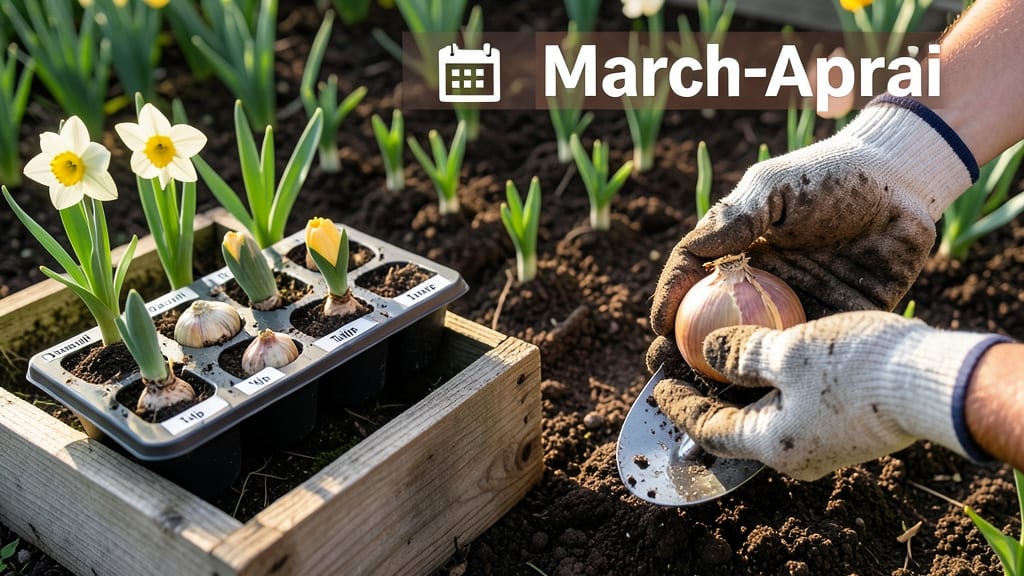
Timing your spring flower planting is the secret to a garden that bursts with color instead of fading before it even begins.
Whether you're a seasoned gardener or just starting out, getting those 🌸 in the ground at the right moment can make all the difference between a thriving display and a sad, wilted disappointment.
Most gardeners wait for that magical after last frost date—typically around April to May in Zone 6—but what if your spring is earlier or later than average? The key is understanding your local frost charts and adjusting for your specific climate, not just following a one-size-fits-all rule.
I’ll show you how to read those charts like a pro so you can plant with confidence.
From cold-hardy annuals like pansies to delicate perennials that need warmer soil, each type of flower has its own ideal window. You’ll learn exactly when to plant bulbs, seeds, and transplants for the longest-lasting blooms, plus how to extend your planting season safely with simple tricks.
No more guessing—just vibrant, long-lasting flowers that make your garden the envy of the neighborhood.
Ready to transform your garden into a blooming paradise? Let’s dive into the exact steps you need to know—from soil prep to post-planting care—to ensure your flowers thrive all season long. Your future self (and your bees!) will thank you.
How to read frost charts for your region’s ideal flower planting dates
Spring planting success starts with understanding your local frost dates—not just the average last frost, but how microclimates in your yard can shift those timelines by weeks.
Most gardeners rely on USDA hardiness zone maps and free resources like NOAA’s frost charts, but interpreting them correctly is key to avoiding frost damage while maximizing bloom time.
First, find your USDA zone (e.g., Zone 5–9) and cross-reference it with your region’s average last frost date. For example, in Zone 6, the last frost typically falls around April 15, but this can vary by 2–3 weeks depending on elevation or proximity to water bodies.
Always check 3-year averages for accuracy.
Next, adjust for microclimates—areas in your yard that warm up faster or stay colder longer. South-facing slopes, paved surfaces, and urban heat islands can push back frost dates by 1–2 weeks, while low-lying spots or shaded areas may need extra protection even after the official last frost.
Here’s a quick rule of thumb: Annual flowers like marigolds and impatiens need consistent warmth (soil temps above 60°F) and should wait until 2 weeks after the last frost. Perennials like coneflowers can handle cooler soil and may tolerate light frost after planting, but bulbs like tulips need to be in the ground 6–8 weeks before the first frost.
🌱 Frost Chart Quick Guide
| Plant Type | Key Timing Rule | Soil Temp | Microclimate Adjustment |
|---|---|---|---|
| Annuals (e.g., petunias, zinnias) | Plant 2 weeks after last frost | 60°F+ | Wait longer in cold spots |
| Perennials (e.g., lavender, black-eyed Susan) | Plant after last frost or early spring | 45–55°F | Use row covers for late frosts |
| Bulbs (e.g., tulips, daffodils) | Plant 6–8 weeks before first frost | 50–60°F | Fall planting preferred |
| Cold-hardy annuals (e.g., pansies, snapdragons) | Plant 4–6 weeks before last frost | 40–50°F | Ideal for early spring |
💡 Pro Tip: Bookmark the Old Farmer’s Almanac frost calculator for real-time updates.
Don’t forget to monitor local weather forecasts in the weeks leading up to planting. A late frost in May can wipe out tender seedlings overnight, so have row covers or a greenhouse ready to protect new growth.
For regions with unpredictable springs (like Zone 7–9succession planting every 2 weeks to stretch your bloom season.
If you’re in a warmer zone (Zone 9–10), focus on heat-tolerant flowers like sunflowers or zinnias, which can handle soil temps above 70°F. In colder zones (Zone 3–5), prioritize cold-hardy perennials like coneflowers or daylilies, which establish roots early and rebound after frost.
For extra precision, use a soil thermometer to confirm temps before planting. Most flowers thrive when soil is 60–70°F, but cool-season crops like snapdragons can handle 50°F. This small step eliminates guesswork and ensures your flowers bloom on schedule.
Finally, keep a gardening journal to track your local frost dates over time. Over 3–5 years, you’ll spot patterns (e.g., "Our last frost is always May 1") and refine your planting schedule. This is how experienced gardeners turn average frost charts into personalized planting calendars.
With frost charts decoded and microclimates accounted for, you’re ready to dive into flower-specific planting timelines—next, we’ll break down exactly when to plant annuals, perennials, and bulbs for nonstop color from spring to fall. 🌷
Best spring planting timeline by flower type: annuals vs perennials vs bulbs
Not all flowers follow the same planting schedule—annuals, perennials, and bulbs each have their own ideal window for spring planting. For example, pansies and snapdragons can handle cooler soil, while impatiens and marigolds need warmer temperatures to thrive.
Understanding these differences ensures your garden blooms beautifully from early spring to late fall.
Your USDA hardiness zone plays a huge role in timing. In Zone 5, pansies can go in the ground as early as late March, while in Zone 9, you’ll wait until mid-April to avoid frost damage.
Let’s break down the best planting times for each type so you can plan with precision.
🌱 🌱 Numbered Highlights: Spring Planting Timeline by Flower Type
- 🌱 Bulbs (Tulips, Daffodils, Hyacinths): Plant in fall (6–8 weeks before first frost) or very early spring (as soon as soil is workable).
- 🌷 Cold-Hardy Annuals (Pansies, Violas, Sweet Alyssum): Plant 4–6 weeks before last frost (Zone 5: late March; Zone 9: mid-April).
- 🌼 Half-Hardy Annuals (Petunias, Geraniums, Coleus): Wait until 2–3 weeks after last frost when soil is 50–60°F.
- 🌻 Heat-Loving Annuals (Marigolds, Impatiens, Zinnias): Plant after last frost when nights stay above 55°F (Zone 6: mid-May; Zone 10: February).
- 🌹 Perennials (Daylilies, Coneflowers, Black-Eyed Susans): Plant in early spring (as soon as soil is workable) or fall for established roots.
Perennials like daylilies and coneflowers are forgiving—they’ll bounce back if planted a little late. But heat-sensitive annuals like impatiens will sulk and struggle if you plant them too early. Pro tip: Check seed packets for days to germination—slower germinators (like snapdragons) need an earlier start.
For bulbs, timing is critical. Tulips and daffodils planted in fall will bloom earlier in spring, but if you missed that window, early spring planting (as soon as soil thaws) still works for many varieties. Just avoid planting when the ground is soggy or frozen.
If your spring is unpredictable, opt for succession planting—start with cold-hardy annuals in early spring, then add heat-lovers as temperatures rise. This keeps your garden in bloom from April to October without gaps.
Now that you know the ideal windows, the next step is protecting your early plants from unexpected frost. I’ll show you how to extend your planting season safely—without risking damage to your tender blooms.