
Flowers
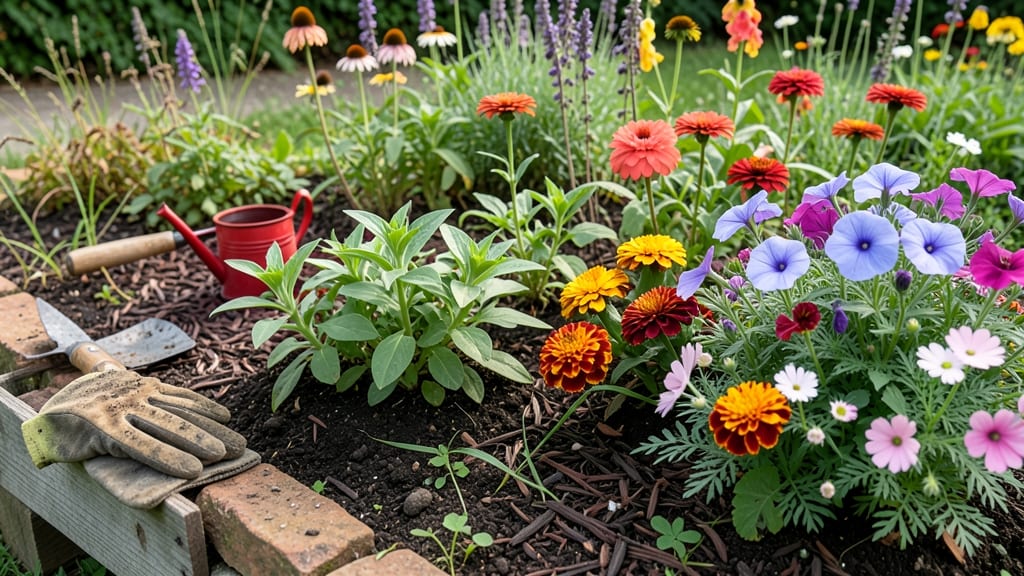
Timing your flowers planting in Philadelphia isn’t just about following a calendar—it’s about beating the city’s tricky spring weather while giving your 🌸 blooms the best shot at thriving.
With USDA Zone 7a’s last frost typically hitting around April 15, planting too early can leave tender seedlings vulnerable, while waiting too long might shorten your bloom season.
I’ve spent years testing what works in Philly’s urban and suburban pockets, and the difference between a showstopping garden and a sad, stunted one often comes down to 3 simple rules: soil temperature, frost dates, and flower type.
Whether you’re dreaming of petunias spilling over containers or tulips popping up in spring, knowing exactly when to plant makes all the difference.
Let’s cut through the guesswork and dive into the perfect planting windows for annuals, perennials, and bulbs—plus how to adjust for Philly’s microclimates. You’ll learn which flowers to start indoors in February, which can wait until May, and how to stretch your bloom season with smart fall planting.
Ready to turn your garden into a year-round spectacle? I’ll walk you through the must-know deadlines, pro tips from local nurseries, and even how to handle those unexpected late frosts. Your future garden is waiting—let’s get those flowers in the ground the right way.
Philadelphia flower planting calendar: exact dates by flower type for Zone 6b
Philadelphia’s Zone 6b climate demands precision when planting flowers—miss the window, and you risk frost damage or stunted growth. The average last frost date is around April 15, but soil warming varies yearly.
I’ve broken down the ideal planting times for annuals, perennials, and bulbs to maximize your garden’s potential, using data from local nurseries and historical weather patterns.
For cool-season flowers like pansies and snapdragons, start seeds indoors in February and transplant after the last frost. Heat-loving annuals like petunias and marigolds should wait until May 1 or later, when soil temperatures consistently stay above 60°F.
Perennials like coneflowers and black-eyed Susans thrive when planted in early spring (March-April) or early fall (September).
Bulbs like tulips and daffodils need a different approach—plant them in October-November for spring blooms. This gives roots time to establish before winter dormancy. Fall-planted bulbs often produce larger, more vibrant flowers the following year because they’ve had months to develop strong root systems.
Philadelphia’s urban heat islands can create microclimates where soil warms faster. In these areas, you might safely plant heat-tolerant annuals like zinnias or sunflowers 2-3 weeks earlier than the general guideline. Always check soil temperature with a soil thermometer—aim for 60°F+ for most flowers.
Here’s my Zone 6b planting calendar for key flower types, including last-minute adjustments for late frosts or unusually warm springs:
Philadelphia’s first frost typically arrives around November 15, but fall-planted annuals like cosmos or asters can often survive light frosts. These frost-tolerant flowers are perfect for extending your season—just plant them by August 15 for reliable blooms before winter sets in.
If you’re using container gardening, heat escapes faster, so wait until May 10 or later for annuals. Containers also dry out quicker, so monitor soil moisture closely. For raised beds, you can plant 1-2 weeks earlier than ground level because they warm up faster and drain better.
Pro tip: Use the 50°F soil temperature rule as your baseline for most perennials and cool-season annuals. For tropical flowers like hibiscus or cannas, wait until June 1 when nighttime temps stay above 65°F. These heat lovers reward patience with bold, long-lasting blooms all summer.
Always check Philadelphia’s microclimate—urban areas like Center City can be 5-10°F warmer than suburban spots. Adjust your planting dates accordingly, and consider shade-tolerant varieties if your garden gets afternoon sun. With these precise timelines, your garden will burst with color from spring through fall—no guesswork required!
🌱
How to adjust planting times for Philadelphia’s microclimates and soil conditions
Philadelphia’s urban and suburban areas create microclimates that can shift your planting timeline by 2-4 weeks. Dense city blocks trap heat, while shady backyards stay cooler—both affect when you should plant.
For example, heat-loving petunias might thrive in a south-facing rooftop garden by April 15, but the same variety could wait until May 1 in a north-facing yard.
Your soil type also plays a role. Clay-heavy soil warms slower in spring, delaying planting by 10-14 days compared to loamy or sandy mixes. Test your soil’s temperature with a soil thermometer—aim for 60°F+ before planting heat-sensitive flowers like geraniums or impatiens.
🚨 WARNING: Urban heat islands can trick you into planting too early. If your area feels 5-10°F warmer than nearby suburbs, wait until May 10 for tender annuals. Check for frost pockets in low-lying areas—they can delay spring planting by 3 weeks.
⚠️ Planting Too Early or Late in Philly
- Too Early: Seedlings fried by late frosts (common until April 25).
- Too Late: Shortened bloom season—marigolds planted after May 15 may not flower until July.
- Urban Tip: Use row covers to push spring planting 2 weeks earlier.
Raised beds and containers solve many Philly planting challenges. They warm up 2-3 weeks faster than in-ground soil, letting you plant cool-season crops like pansies as early as March 1 and heat-lovers like zinnias by April 20.
Just ensure containers have drainage—root rot is a silent killer in Philly’s humid summers.
For fall planting, aim for 8-10 weeks before your first frost (November 15). That means August 1 for mums and September 15 for pansies.
Use mulch to insulate roots and extend the season by 2-3 weeks. In containers, move plants to sheltered spots or bring them indoors before October 15.
Pro tip: Track your local frost dates for 3 years to spot trends. Philly’s last frost has ranged from April 5 to May 5—don’t rely on averages! Join local gardening groups (like Philadelphia Horticultural Society) for real-time updates on microclimate shifts.