
Plants
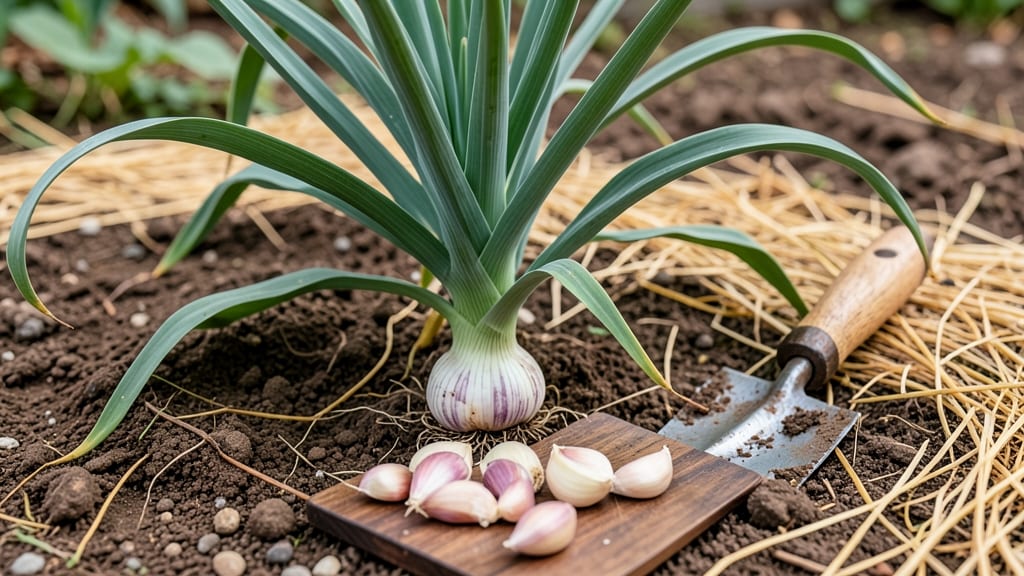
Planting your 🧄 garlic at the wrong time in Alabama can mean the difference between a bumper crop of bold, pungent bulbs and a disappointing harvest. The key window for success is short—just October through November—when soil temperatures drop and frost becomes a real threat.
Why does timing matter so much? Garlic needs 60-90 days of cool weather to develop properly, and Alabama’s mild winters in zones 7a-8b create the perfect balance. Plant too early, and your cloves might rot before winter sets in.
Plant too late, and you risk stunted growth from premature warming. Let’s break down the exact strategy to nail your planting schedule.
Most gardeners assume spring planting works, but that’s a common mistake in our climate. Fall-planted garlic gets a head start, establishing strong roots before winter dormancy. I’ll show you how to prepare your soil, choose the right cloves, and time your planting for maximum yield—no guesswork involved.
Ready to grow garlic that rivals what you’d find at the farmers' market? The secret starts with understanding Alabama’s unique frost patterns and soil conditions. Let’s get your 🧄 garlic in the ground at the perfect moment for a harvest that’ll impress even the pickiest chefs.
Alabama’s ideal garlic planting window: exact dates by hardiness Zone
Alabama’s USDA Zones 7b and 8a offer a perfect climate for garlic, but precise timing separates a mediocre harvest from a showstopping one. Unlike northern states, Alabama’s mild winters mean you can plant 4-6 weeks before the first frost, typically between mid-October and early November.
This window ensures bulbs establish roots before dormancy but avoids the rot risk of planting too early.
For North Alabama (Zone 7b), aim for October 15–November 1. The first frost usually hits late October to early November, so planting by October 31 guarantees roots form before freezing.
In Central/South Alabama (Zone 8a), you’ve got a slightly longer window—October 20–November 15—since frosts arrive 2-3 weeks later.
Soil temperature is your secret weapon. Garlic cloves need soil temps between 40°F and 50°F (4°C–10°C) to sprout. By mid-October, Alabama’s soil typically cools to this range, making it ideal. Use a soil thermometer if you’re unsure—planting when temps drop below 40°F risks slow germination or rot.
Pro tip: Check your local frost dates via the Alabama Agricultural Weather Network (AAWN) for hyper-local precision. For example, Huntsville (Zone 7b) may frost by October 25, while Mobile (Zone 8a) might hold off until November 10. Adjust accordingly!
Here’s the golden rule: Plant garlic 6 weeks before the ground freezes solid. This gives roots time to anchor before winter dormancy. In Alabama, that’s usually October–November, but early December can work if soil stays workable and frosts are light.
| Zone & Location | Ideal Planting Window | Soil Temp Goal | First Frost Risk |
|---|---|---|---|
| Zone 7b (North AL: Huntsville, Decatur) | October 15–November 1 | 40°F–50°F (4°C–10°C) | Late October–early November |
| Zone 8a (Central AL: Birmingham, Montgomery) | October 20–November 10 | 40°F–50°F (4°C–10°C) | Early–mid November |
| Zone 8a (South AL: Mobile, Dothan) | October 25–November 15 | 40°F–50°F (4°C–10°C) | Mid–late November |
| All Zones (Late Planting) | Early December (if soil workable) | Above freezing | Higher rot risk |
🌱 Note: Use hardneck varieties (e.g., Music, Silverskin) for Alabama’s climate.
Spring planting is possible but risky in Alabama. If you miss fall, try February–early March for a smaller harvest. However, spring-planted garlic often matures by summer’s heat, leading to bolting (premature flowering) and weaker bulbs. Fall planting is non-negotiable for large, flavorful harvests.
Don’t overlook microclimates. A sheltered garden in Zone 7b might stay frost-free longer than an exposed one. Use row covers or straw mulch to extend the season if needed. For example, Birmingham’s urban gardens often frost later than rural areas due to heat island effect.
Test your soil’s drainage before planting. Alabama’s clay-heavy soils can trap moisture, causing clove rot. Amend with compost or sand to improve airflow. Aim for well-draining soil with a pH of 6.0–7.0—garlic thrives in slightly acidic to neutral conditions.
Remember: Timing + soil prep = garlic success. Plant at the right time, and you’ll enjoy bold, homegrown bulbs by late spring. Skip the window, and you’ll be left with stunted, weak harvests—or worse, total failure.
5 Critical factors that determine your Alabama garlic planting success
Beyond just the planting dates, Alabama’s unique climate demands extra attention to five key factors that separate a mediocre garlic harvest from a showstopping one. I’ve learned through trial and error which details matter most in our 7a-8b zones—don’t overlook these.
First, your soil temperature must be between 40°F-60°F at planting time. Use a soil thermometer to check—this is non-negotiable for root establishment. Alabama’s unpredictable fall weather can swing wildly, so test your soil a week before planting to avoid surprises.
Next, clove selection makes all the difference. Choose large, plump cloves from hardneck varieties like ‘Music’ or ‘Silverskin’—they thrive in our winters. Break bulbs apart just before planting and let the cloves dry for 24 hours to prevent rot in our humid climate.
Don’t underestimate spacing and depth. Plant cloves 2 inches deep and 4-6 inches apart in rows 12 inches apart. This gives roots room to spread without competing, especially important in Alabama’s heavy clay soils which can compact easily.
Your location’s microclimate matters too. North Alabama’s 7a zones get colder faster—plant late October to early November. South Alabama’s 8a zones can handle November planting but watch for early warming. A south-facing bed with afternoon shade gets ideal sunlight patterns.
Finally, mulching is your secret weapon against Alabama’s freeze-thaw cycles. Apply 4-6 inches of straw after planting to insulate roots. This prevents heaving and keeps soil temps stable—critical when our winters fluctuate between 30°F and 60°F.
These five factors work together like a well-oiled machine. Get them right, and you’ll harvest garlic bulbs that rival commercial quality—something I’ve perfected after years of experimenting in my own 🧄 garden.