
Flowers
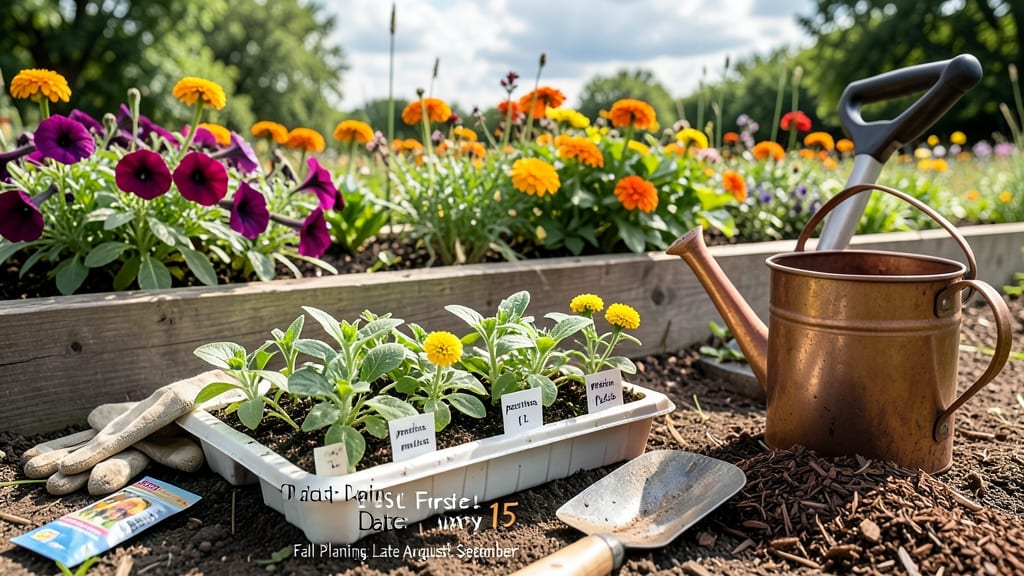
Timing your flowers planting in Connecticut can mean the difference between a vibrant garden and a sad, frost-killed disappointment. With USDA zones 5b-6b and unpredictable frost dates, knowing when to plant is the key to success.
Spring planting typically kicks off in March, but the real magic happens after Connecticut’s average last frost date around April 15. That’s when annuals like petunias and marigolds can safely hit the soil, but perennials often need an earlier start indoors.
Don’t overlook fall planting either! Many 🌸 flowers thrive when planted 4-6 weeks before the first frost, usually between August and September. This gives roots time to establish before winter sets in.
Whether you’re a seasoned gardener or just starting, mastering these timing tips will help you grow a garden that blooms beautifully all season long. Let’s dive into the best strategies for your Connecticut garden.
Connecticut’s frost dates: the critical timeline for spring flower planting
Timing your flower planting in Connecticut starts with understanding the last frost dates, which vary dramatically across the state’s USDA Hardiness Zones 5b-6b. Coastal areas like New Haven typically see their last frost around April 15, while inland regions like Hartford may wait until May 1.
These dates determine whether your tender annuals like marigolds or petunias survive transplant shock.
For perennial flowers like coneflowers or black-eyed Susans, you can plant as early as late March in protected microclimates, but always check your local frost-free probability charts. Urban gardens often warm up faster than rural areas, creating microclimate exceptions worth noting.
Use the USDA Plant Hardiness Zone Map to cross-reference your exact location. For example, Zone 5b (northern CT) has a later last frost (May 5) compared to Zone 6b (southern CT, around April 20). This 15-day difference can mean the difference between thriving blooms and wilted seedlings.
To extend your planting window, use frost-sensitive indicators like lilac blooms or forsythia flowers. When these native plants flower, it’s a natural signal that the risk of frost has passed for most tender perennials.
For annual flowers, wait until soil temperatures reach 60°F—a soil thermometer is your best tool.
If you’re planting cool-season flowers like pansies or calendula, you can start seeds indoors as early as February for a head start. Harden off seedlings by mid-April to prepare them for outdoor conditions.
For warm-season favorites like zinnias or sunflowers, wait until after the last frost date to avoid stunted growth.
Pro tip: Cold frames or mini greenhouses can push your planting window back by 2-3 weeks in early spring. These low-cost solutions create a warmer microclimate for seedlings, reducing the risk of frost damage. Just ensure proper ventilation to prevent overheating.
For container gardening, move pots closer to your home’s south-facing wall at night to absorb and reradiate heat. This simple trick can add 3-5°F of protection during late spring frosts. Always use well-draining potting mix to prevent root rot from fluctuating temperatures.
Remember, Connecticut’s frost dates aren’t set in stone. Check the National Weather Service or local Cooperative Extension Service for yearly updates. A 10-day forecast before planting can save you from losing young seedlings to unexpected late frosts.
Start with slow-to-germinate seeds like snapdragons or hollyhocks in indoor seed trays by mid-March. These varieties need the extra time to establish roots before transplanting. For fast-germinating annuals like marigolds or cosmos, you can direct-sow after your region’s last frost date.
Finally, keep a gardening journal to track your local frost dates over years. Your personal records will become more accurate than general averages, helping you fine-tune planting times for your specific microclimate. Happy planting! 🌸
Fall planting secrets: which flowers thrive when planted before Connecticut’s first frost
Fall planting is your secret weapon for a longer blooming season in Connecticut. While spring gets all the attention, many 🌸 flowers actually establish roots better when planted in August or September, giving them time to harden off before winter.
The key is choosing cold-hardy varieties and timing your planting 4-6 weeks before Connecticut’s average first frost around October 15.
Cooler fall temperatures reduce stress on plants, and established roots mean earlier spring blooms next year. Plus, fall-planted flowers often outperform spring-planted ones by avoiding summer heat stress. Let’s explore the best flowers for fall planting and how to prep your soil for success.
🌿 Top 5 Flowers to Plant in Connecticut This Fall
- Pansies – Thrives in cool weather, blooms until frost. Plant August-September.
- Mums (Chrysanthemums) – Hardy annuals that love fall sunshine. Plant by September 1.
- Snapdragons – Cold-tolerant and long-blooming. Start seeds indoors in July.
- Sweet Alyssum – Fragrant and drought-resistant. Direct sow in August-September.
- Calendula – Edible petals and frost-resistant. Plant 7-8 weeks before frost.
For best results, amend your soil with compost before planting—fall’s cooler temps make it easier to work. Add a 2-3 inch layer of mulch after planting to insulate roots and retain moisture. Avoid nitrogen-heavy fertilizers in late fall, as they encourage tender new growth that won’t survive winter.
Pro tip: Use row covers or frost blankets on especially cold nights to protect young plants. These tools create a mini greenhouse effect without stifling growth. Even a $10 frost blanket can mean the difference between a thriving fall garden and a frozen disappointment.
Don’t forget perennials like astilbe, coneflowers, and black-eyed Susans—they benefit from fall planting too! Their established roots give them a head start in spring, often resulting in larger blooms the following year. For container gardens, choose compact varieties like baby’s breath or stock that tolerate cooler temps.
Timing is everything in Connecticut’s variable climate. Check your local first frost date (which can vary by 1-2 weeks from the average) and adjust accordingly. With the right flowers and prep, your fall garden can be just as stunning as your spring one—if not more so!