
Flowers
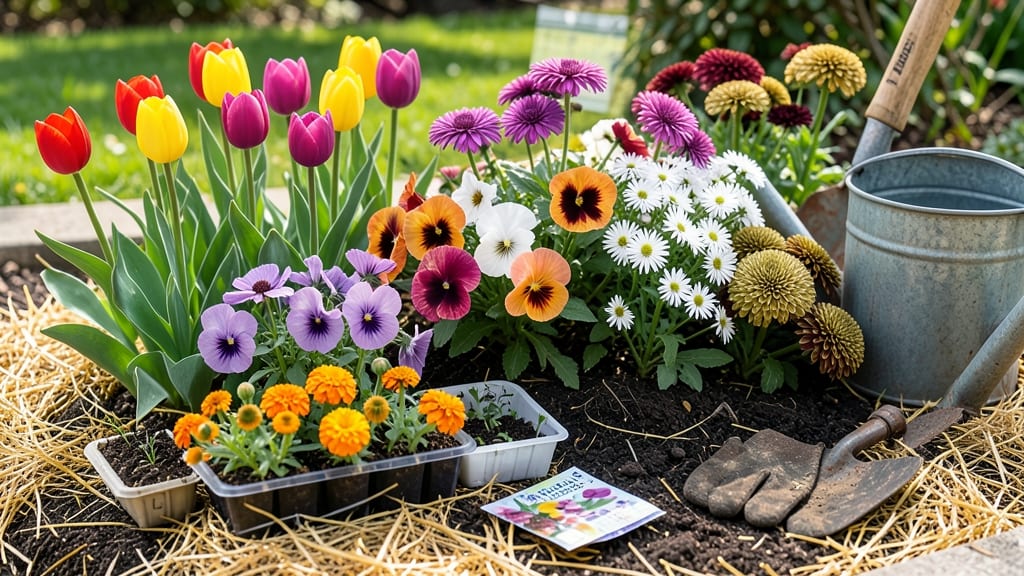
Timing your flowers planting in Chicago isn’t just about following a calendar—it’s about beating the city’s notorious late frosts and giving your 🌸 blooms the best shot at thriving in Zone 5b-6a’s short but intense growing season.
Picture this: You’ve spent hours selecting vibrant annuals and hardy perennials, only to watch them wilt overnight when a surprise frost hits in late April. That’s why knowing the last frost dates—typically around April 15—isn’t just helpful, it’s essential for avoiding costly mistakes.
In this guide, I’ll walk you through the exact planting windows for cool-season favorites like pansies and heat-lovers such as marigolds, plus how to adjust for Chicago’s windy conditions. Whether you’re a first-time gardener or a seasoned pro, these tips will help you maximize your blooms from spring to fall.
Ready to transform your garden into a year-round showstopper? Let’s dive into the perfect timing and care strategies tailored just for Chicago’s climate.
Chicago’s last frost dates 2024: safe planting windows by flower type
Chicago’s Zone 5b-6a climate means your last average frost date typically falls between April 15 and May 1, but Mother Nature doesn’t always follow the script.
In the past decade, late frosts have occurred as late as May 10, while early springs can push the window back to March 20. This variability makes timing everything for your annuals, perennials, and bulbs.
For cool-season flowers like pansies and snapdragons, you can start seeds indoors as early as February or plant them outdoors in late March. These hardy blooms tolerate light frosts, giving you early spring color even if May surprises us with a chill.
Meanwhile, heat-loving varieties like petunias and marigolds need to wait until after May 15 to avoid frost damage.
🌱 Chicago Flower Planting Timeline
| Flower Type | Outdoor Planting Window | Indoor Start (Seeds) | Notes |
|---|---|---|---|
| Cool-Season Annuals (Pansies, Snapdragons) | Late March - Early April | February (6-8 weeks before last frost) | Tolerate light frost; bloom early |
| Heat-Lovers (Petunias, Marigolds, Zinnias) | After May 15 | April (4-6 weeks before last frost) | Wait until soil reaches 60°F+ |
| Perennials (Coneflowers, Black-Eyed Susans) | Early May - Early June | None (hardy roots) | Plant after last frost; mulch heavily |
| Bulbs (Tulips, Daffodils) | Fall (September-October) | N/A | Plant 6 weeks before first frost |
📅 Pro Tip: Use frost cloth to extend your planting window by 2-3 weeks for heat-lovers.
If you’re starting flowers indoors, begin 4-6 weeks before your target outdoor planting date. For example, petunias should hit your garden by May 15, so start seeds around April 1.
Seedlings need 12-14 hours of light daily, so supplement with grow lights if your windowsill isn’t sunny enough.
For fall planting, aim to get annuals like cosmos and sunflowers in the ground by September 1. These varieties thrive in cool fall temperatures and often outperform spring plantings.
Just remember: first frost typically arrives around October 15, so plan to harvest seeds or bring potted flowers indoors before then.
Chicago’s wind exposure adds another layer of complexity. Areas near Lake Michigan experience cooler microclimates and later frost dates, while inland spots may warm up faster. To hedge your bets, plant windbreaks like Russian sage or ornamental grasses on the north side of your flower beds.
These not only protect delicate blooms but also reduce evaporation during our dry summers.
Don’t let late spring frosts catch you off guard. Sign up for local weather alerts from the National Weather Service Chicago office, and keep a frost watch kit handy. This includes row covers, string lights, and a soil thermometer to monitor ground temperatures.
When nighttime temps dip below 32°F, cover tender seedlings with frost cloth secured with bricks or clips.
For container gardening, remember that pots heat up and cool down faster than in-ground beds. Move containers to sheltered spots during cold snaps and use self-watering pots to prevent root stress. Succulents and lavender are excellent choices for containers—they handle temperature swings better than most annuals.
Track your local frost dates for 3-5 years to spot patterns. My neighborhood in Logan Square averages a May 5 last frost, while south suburbs like Markham often see frost-free soil by April 25.
Adjust your planting schedule based on your specific microclimate—this small tweak can mean the difference between wilting seedlings and a thriving garden.
When in doubt, err on the side of caution. It’s better to plant two weeks late than to lose your entire marigold patch to a late April freeze. With Chicago’s short but intense growing season, every day counts—so mark your calendar and get those tender perennials
Best heat-loving flowers for Chicago’s short summer & how to extend their bloom time
Chicago’s summers are short but intense, with temperatures climbing into the 80s and humidity that can stress even the hardiest plants. The key to success? Choosing heat-loving flowers that thrive in these conditions while extending their bloom time with smart care.
I’ve tested these top 7 varieties in my own garden and can confidently say they’re the best performers for Chicago’s climate.
For maximum impact, plant these sun-loving annuals after your last frost date (typically April 15) but no later than early June. This gives them enough time to establish roots before summer’s heat peaks.
Mulching with 2-3 inches of organic mulch helps retain moisture and keep roots cool—critical in Chicago’s windy, dry spells.
Here’s how I rate their bloom duration and care needs to keep them flowering all summer long:
To extend blooms, I deadhead spent flowers weekly—this encourages new growth and prevents seed production. For example, my zinnias and lantanas (rated 9+/10) continue blooming until frost if I stay on top of this.
Water deeply early in the morning (before 8 AM) to avoid fungal issues from evening moisture, and fertilize every 4-6 weeks with a balanced 10-10-10 mix.
Pro tip: Group heat-lovers together in a sunny spot (6+ hours of direct sun) and surround them with drought-tolerant perennials like sedum or Russian sage. This creates a microclimate that retains moisture longer, which is especially helpful in Chicago’s windy conditions.
With these strategies, you’ll enjoy vibrant blooms from June through October—long after many other gardens have faded.
🌻