
Flowers
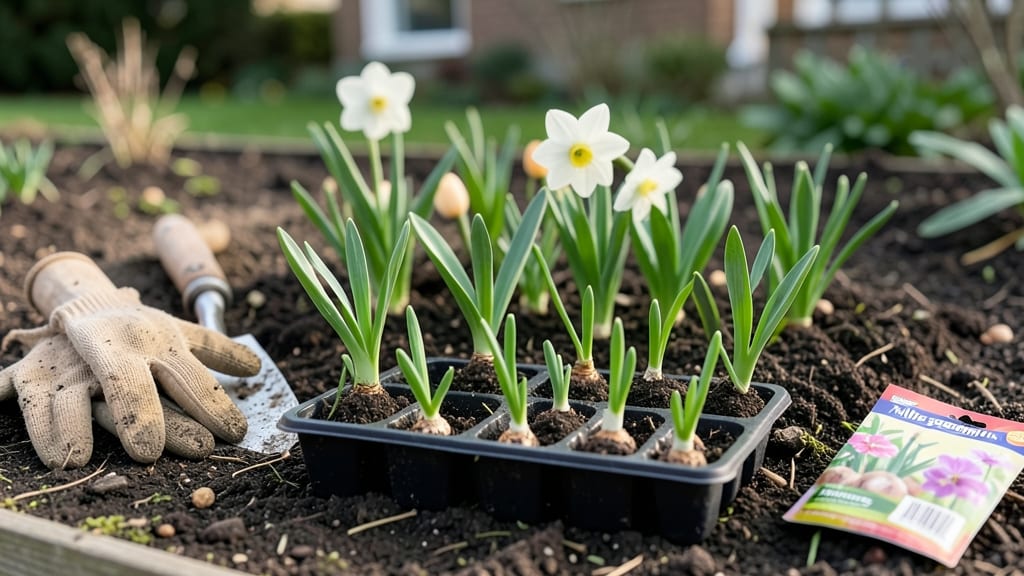
Timing your spring flower planting wrong can mean the difference between a vibrant garden and a sad, wilted disappointment—but don’t worry, I’ve got you covered.
The key is knowing your last frost date, which varies by zone, and planting at the right moment to give your 🌸 blooms the best start.
For most gardeners in Zone 6a (like me!), the ideal window opens after the last frost, typically in April or early May. But here’s the secret: some flowers, like cold-hardy pansies, can handle a light frost, while others, like impatiens, need warmer soil to thrive.
I’ll break down exactly when to plant for your specific zone and flower types.
You’ll also learn how to prep your soil, choose the right flowers for early vs. late planting, and spot the warning signs if you’ve planted too soon. Trust me, these simple steps will make your spring garden a showstopper—no guesswork required.
Let’s dive into the exact weeks before last frost, zone by zone, so you can start planting with confidence and watch your garden transform into a colorful paradise.
Exact weeks before last frost to plant flowers by USDA zone
Spring planting success starts with knowing your USDA hardiness zone and last frost date—these two factors determine your exact planting window. For most flowers, planting 3 to 8 weeks before your last frost gives them enough time to establish roots before warm weather arrives.
In Zone 5, for example, that’s typically mid-April, while Zone 8 gardeners can start as early as late February.
Your last frost date isn’t just a calendar guess—it’s the average date when temperatures drop to 28°F or below. Check your local National Weather Service or USDA Plant Hardiness Zone Map for precise timing.
Even a few degrees of frost can kill tender seedlings, so don’t rush! Coastal areas often have later frost dates than inland regions due to ocean moderation.
Here’s the golden rule: Wait until soil temperatures reach at least 50°F—cold soil slows root growth and can cause rot. Use a soil thermometer to check, especially in northern zones (3-6), where early planting risks frost damage.
For southern zones (7-10), focus on avoiding heat stress by planting in fall or early spring.
🌱 Planting Timeline by USDA Zone
| Zone | Last Frost Date | Planting Window | Best Flowers |
|---|---|---|---|
| 3-4 (Cold Climates) | May 1-15 | 4-6 weeks before last frost (April) | Pansies, Snapdragons, Calendula |
| 5-6 (Mid-North) | April 15-May 1 | 3-5 weeks before last frost (March-April) | Marigolds, Petunias, Zinnias |
| 7-8 (South) | February 15-March 15 | 2-4 weeks before last frost (February) | Geraniums, Impatiens, Coleus |
| 9-10 (Tropical) | January 1-February 1 | Fall or early spring (avoid summer heat) | Begonias, Orchids, Tropical Lilies |
Pro Tip: Use row covers or cold frames to extend early planting in Zones 3-6 by 2-3 weeks.
For perennial flowers, like coneflowers or black-eyed Susans, you can plant as early as 2-3 weeks before your last frost—they’re hardier and establish faster. Annuals, however, need 3-5 weeks of warm soil to bloom on time, so wait until 2 weeks after your last frost for heat-loving varieties like marigolds or sunflowers.
Don’t forget bulbs! Plant spring-blooming bulbs (like tulips or daffodils) in fall (6-8 weeks before frost), but summer-blooming bulbs (like dahlias) go in after your last frost in spring.
Test your soil’s drainage first—bulbs rot in soggy soil. Mix in compost or sand if needed to improve aeration.
If you’re unsure about your exact last frost date, use the 10-day rule: Wait until 10 days after your average last frost to plant tender flowers. This buffer accounts for late-season cold snaps that can still occur.
For example, in Zone 6, if your last frost is April 15, plant no earlier than April 25.
Microclimates matter! A south-facing slope warms up faster than a north-facing shady spot, so adjust your planting timeline accordingly. Use a minimum thermometer to track nighttime temperatures—if they dip below 40°F, protect seedlings with frost cloth or move containers indoors.
Finally, succession planting is your secret weapon for nonstop blooms. Start with cold-hardy flowers (like pansies) 6 weeks before your last frost, then add heat-lovers (like zinnias) 2 weeks after. This ensures your garden stays vibrant from early spring to fall.
Best flowers to plant early vs. late spring for longer blooms
Spring’s fleeting beauty means every week counts—planting the right flowers at the right time can stretch your garden’s color show from early May to late October.
Cold-hardy annuals like pansies and snapdragons thrive when soil temperatures hover around 40°F, while heat-lovers like marigolds and zinnias wait for 60°F+ soil to avoid stunted growth.
My trick? Divide flowers into two planting groups: early spring stars (plant 3–4 weeks before last frost) and late spring bloomers (plant 2–3 weeks after). This succession strategy ensures your garden never skips a beat—no sad gaps between blooms!
- Pansies 🌸 Cold-hardy to 20°F
- Snapdragons 🌷 Tolerate light frost
- Sweet Alyssum 🌿 Thrives in cool soil
- Calendula 🌼 Edible petals
- Marigolds 🌻 Heat-loving (60°F+ soil)
- Zinnias 🌺 Drought-tolerant once established
- Cosmos 🌸 Self-seeds easily
- Sunflowers ☀️ Fast-growing (30–50 days)
For perennials, timing matters too—most need to be planted in early spring (as soon as soil is workable) to establish roots before summer heat. Think coneflowers and black-eyed Susans, which reward patience with years of blooms if given time to settle in.
Don’t overlook succession planting: As early bloomers fade, snip them back and tuck in late-season varieties like celosia or salvia. This keeps your garden looking fresh and intentional, not like a bloom-free desert mid-season.
My top 3 late-spring winners? Petunias (for hanging baskets), geraniums (for heat tolerance), and verbena (for pollinators). These thrive when planted after Memorial Day, when nighttime temps stay above 55°F.
Remember: Soil temperature > air temperature. Use a soil thermometer ($10 at garden centers) to confirm readiness—60°F+ is the magic number for most flowers. Planting too early? Your flowers will linger like teenagers—slow to grow and prone to rot.