
Flowers
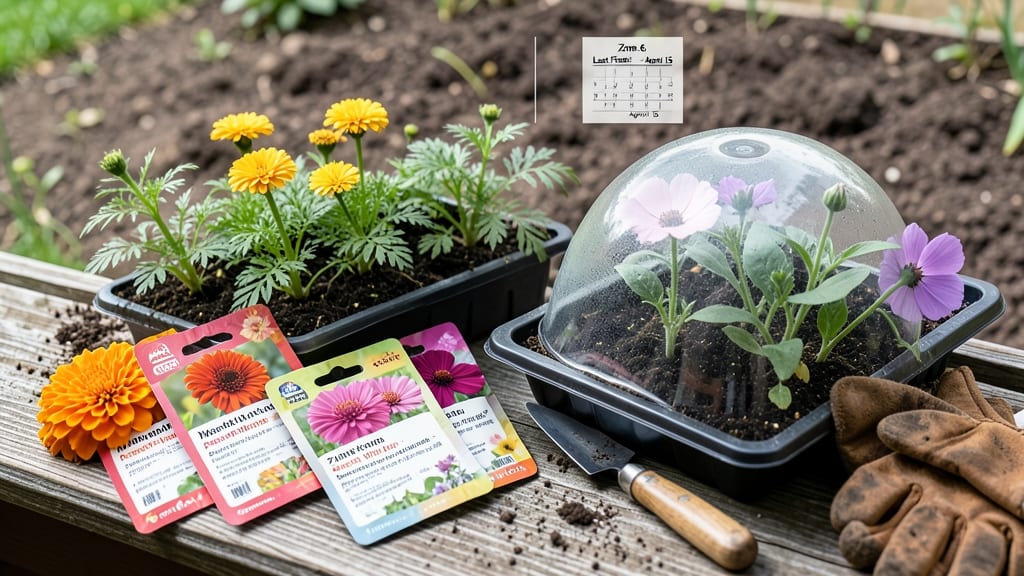
Knowing when to plant flower seeds in Zone 6 could mean the difference between a garden bursting with color and one that barely gets started.
The wrong timing—like planting too early before the last frost or too late when summer heat arrives—often leads to frustrated gardeners watching their seeds fail to sprout or flowers wilt before they even bloom.
Zone 6 (General) has its own rhythm, with mid-April as the average last frost date and mid-October marking the first frost.
But here’s the secret: the best planting window isn’t just about avoiding frost—it’s about matching your flower seeds 🌸 to the soil temperature and daylight hours that give them the strongest start.
Whether you’re sowing cool-season annuals in early spring or heat-loving perennials in late spring, getting the timing right is the key to a thriving garden.
In this guide, I’ll break down the exact months to plant in Zone 6, including when to start seeds indoors and when to direct-sow for maximum success. You’ll also discover how to adjust for late frosts or microclimates, so you’re never left guessing whether your garden will flourish or fizzle.
Ready to turn your garden into a year-round showstopper? Let’s dive into the science-backed schedule that will have your flower seeds sprouting confidently and blooming beautifully—no more missed opportunities or wasted seeds.
Zone 6 flower seed planting timeline by month (with frost-free deadlines)
Getting your flower seeds in the ground at the right time in Zone 6 means the difference between a garden bursting with color and a season of missed opportunities. The key? Understanding your last frost date (typically mid-April) and soil temperature thresholds.
Most seeds won't germinate until soil reaches 60°F, which usually happens by late April or early May in most Zone 6 regions.
For cool-season flowers like pansies or snapdragons, you can start planting as early as February or March—even before the last frost—because they tolerate light frosts. Warm-season favorites like marigolds or zinnias, however, need to wait until after your last frost date and when soil is consistently warm.
Let's break down the best planting windows month by month to maximize your blooms.
Zone 6 Flower Seed Planting Timeline
| Month | Planting Window | Ideal Flowers | Soil Temp | Notes |
|---|---|---|---|---|
| February | Indoors or under cover | Pansies, Snapdragons, Calendula | 45-55°F | Start cool-season seeds early for spring blooms. |
| March | Outdoors (after last light frost) | Sweet Alyssum, Larkspur, Dianthus | 50-60°F | Use row covers if frost threatens. |
| April | After last frost (mid-April) | Cosmos, Zinnias, Sunflowers | 60°F+ | Direct sow warm-season seeds now. |
| May | Full growing season | Marigolds, Petunias, Nasturtiums | 65°F+ | Succession plant for continuous blooms. |
| June | Late summer (for fall blooms) | Cosmos, Bachelor's Buttons | 60°F+ | Plant for late-season color before heat sets in. |
| August | Indoors for fall planting | Pansies, Calendula, Sweet Peas | Room temp (65-75°F) | Start seeds indoors for fall garden. |
✅ Pro Tip: Check your local last frost date—it can vary by 1-2 weeks even within Zone 6.
If you're planting perennial flowers, timing matters even more because they establish roots over time. For example, coneflowers or black-eyed Susans should go in the ground in early spring (April) so they have the entire growing season to root deeply before winter.
Annuals like marigolds or zinnias, on the other hand, can handle being planted later in the season as long as soil temperatures stay above 60°F.
Don't forget about fall planting! Many flowers, like pansies or sweet peas, thrive when sown in August or early September for vibrant spring blooms. These cool-season varieties can handle the chill and even bloom through light frosts.
Just aim to plant them 4-6 weeks before your first frost (usually mid-October in Zone 6) to give them time to germinate and establish.
For gardeners in Zone 6a (colder microclimates), push your planting dates 1-2 weeks later to avoid frost damage. If you're in Zone 6b (warmer microclimates), you can plant slightly earlier.
Always monitor your local weather forecasts—a late frost can wipe out tender seedlings overnight, so be prepared to cover young plants with row fabric or cloches if frost is predicted.
One of my favorite tricks is using a soil thermometer to check temperatures before planting. Seeds won’t germinate if the soil is too cold, no matter what the calendar says.
For most flowers, aim for 60°F or warmer for warm-season varieties and 50°F or warmer for cool-season ones. If your soil isn’t ready, hold off and start seeds indoors instead.
Finally, keep in mind that succession planting can extend your blooming season. Instead of planting all
Zone 6 flower seed planting timeline by month (with frost-free deadlines)
In Zone 6, your flower seed planting schedule hinges on two critical dates: the last frost (around mid-April) and the first frost (typically mid-October). But don’t just wait for these dates—soil temperature and daylight hours play equally important roles.
For example, cool-season flowers like pansies thrive when soil temps hover between 40-60°F, while warm-season favorites like zinnias need 60°F+ soil to germinate.
Here’s the golden rule: start cool-season seeds indoors 6-8 weeks before your last frost, then transplant after danger of frost passes. For warm-season flowers, wait until soil warms to 60°F—usually late May in Zone 6—to direct sow.
This timing ensures your seeds won’t rot in cold soil or bolt in early heat.
| Month | Planting Window | Soil Temp (°F) | Flowers to Plant |
|---|---|---|---|
| February | Indoors (6-8 wks before last frost) | 60-70°F (indoor) | Pansies, Snapdragons, Calendula |
| March | Outdoors (after frost risk drops) | 40-60°F | Sweet Alyssum, Larkspur, Stock |
| April | Direct sow after last frost | 50-65°F | Marigolds, Nasturtiums, Cosmos |
| May | Warm-season flowers (soil 60°F+) | 60-75°F | Zinnias, Sunflowers, Petunias |
| September | Fall planting (4-6 wks before first frost) | 50-60°F | Sweet Peas, Calendula, Bachelor’s Buttons |
Pro tip: Use a soil thermometer to check temps before planting—cold soil can delay germination by weeks. For example, cosmos seeds may take 10-14 days to sprout in 50°F soil but only 5-7 days in 65°F soil. Patience pays off, but rushing can backfire.
Don’t overlook succession planting! In Zone 6, you can squeeze in two rounds of marigolds: one in early May and another in late July for fall blooms.
This trick extends your season without extra space. Just mark your calendar for July 15th—that’s your last chance to sow heat-tolerant seeds for autumn color.
If you’re new to Zone 6 gardening, here’s a quick cheat sheet: March = cool lovers, May = warm lovers, and September = fall bloomers. Stick to this rhythm, and your garden will reward you with nonstop color from spring to frost. 🌸