
Flowers
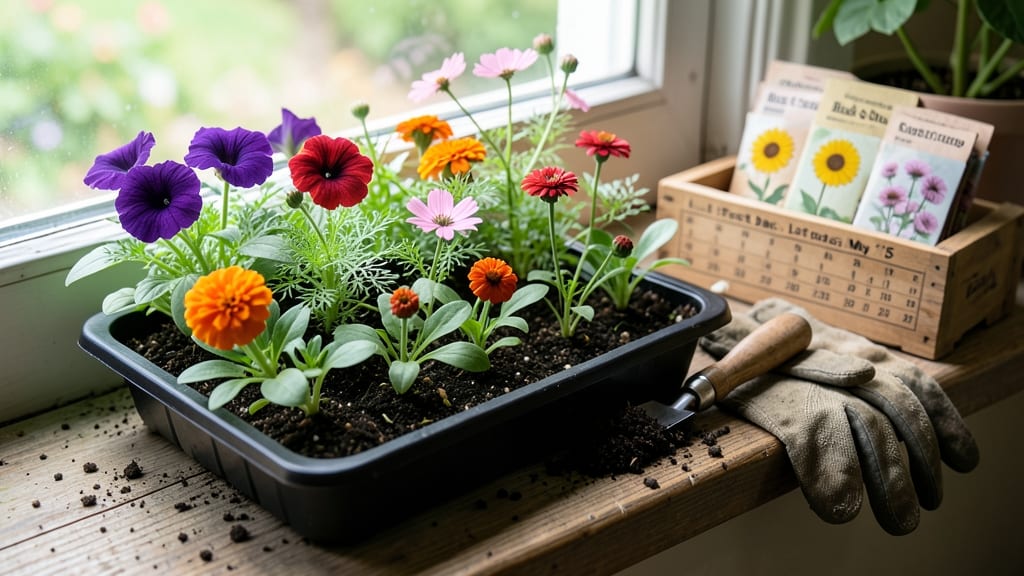
When to plant flower seeds in Wisconsin isn’t just about luck—it’s about catching that narrow window between frost and summer heat. Plant too early, and a late freeze will turn your tender seedlings into sad, wilted memories. Too late, and you’ll miss the vibrant blooms that make your garden the envy of the neighborhood.
With Wisconsin’s Zone 4b-5b climate, the key is knowing when to start seeds indoors or sow directly into soil that’s warmed to 50°F. Most gardeners aim for April to May, but regional differences—like Milwaukee’s earlier last frost compared to northern areas—mean your exact deadline could shift by weeks.
Let’s break down the best strategies to ensure your 🌸 garden thrives from spring through fall.
You’ll discover how to adjust for cool-season flowers like pansies (plant in March) versus heat-lovers like zinnias (wait until late May). We’ll also cover tricks to extend your blooming season, so you’re not left with bare soil by summer’s end.
Ready to turn your Wisconsin garden into a year-round spectacle?
The secret isn’t just the calendar—it’s understanding your microclimate and the unique needs of each flower type. Whether you’re a first-time gardener or a seasoned pro, these insights will help you avoid common pitfalls and maximize every sunny day. Let’s get those seeds in the ground at the perfect moment.
Wisconsin flower seed planting deadlines by season (Zone 5 guide)
Wisconsin’s Zone 5 climate means frost can strike anytime before mid-May, so timing is everything. The last average frost date varies by region—Milwaukee typically sees frost until May 10-15, while northern areas like Green Bay hold off until May 20-25.
Plan accordingly to avoid losing tender seedlings to late frosts.
For spring planting, focus on hardy annuals like pansies and sweet peas, which can handle light frosts. Warm-season flowers such as zinnias and marigolds need to wait until the soil reaches 50°F (10°C), usually by late April to early May.
Use a soil thermometer to confirm—cold soil stunts growth.
Summer planting in August lets you enjoy fall blooms with cosmos and snapdragons. These fast-growing flowers (50-60 days to bloom) thrive when sown 6-8 weeks before first frost, which hits Wisconsin by mid-October. Succession planting in late summer extends your season effortlessly.
Fall planting is tricky—only cold-hardy varieties like calendulas and stock survive Wisconsin’s first frost. Sow these 6-8 weeks before frost (late July to early August) for late-season color. Avoid tender perennials like lavender, which won’t recover from winter cold.
Wisconsin Flower Planting Deadlines by Season
| Season | Planting Window | Key Flowers | Soil Temp | Frost Risk |
|---|---|---|---|---|
| Spring | April 15–May 10 | Pansies, Sweet Peas, Snapdragons | 40–50°F | High (use row covers) |
| Summer | May 15–June 15 | Zinnias, Marigolds, Sunflowers | 50–60°F | Low (after last frost) |
| Late Summer | August 1–15 | Cosmos, Snapdragons, Calendulas | 55–65°F | Moderate (frost by Oct) |
| Fall | July 15–August 10 | Stock, Calendulas, Aster | 50–55°F | High (use cold frames) |
⚠️ Pro Tip: Check your local frost-free dates via the National Weather Service or Wisconsin State Climatology Office for precision planting.
Northern Wisconsin (Zone 4b) has a shorter season—shift planting dates 2 weeks later than Madison or Milwaukee. For example, sow marigolds by May 20 in Green Bay instead of May 5.
Southern Wisconsin (Zone 5b) can push boundaries slightly, but don’t risk it with tender perennials.
Use row covers or cold frames to extend spring planting by 2-3 weeks. These protect seedlings from light frosts (28–32°F) and let you start warm-season flowers like petunias earlier. Remove covers when temps rise to 70°F to prevent overheating.
For perennials, divide and transplant in early spring (April) or early fall (September) when soil is workable. Avoid late summer transplanting—heat stress weakens roots before winter. Mulch heavily after planting to insulate roots during Wisconsin’s freeze-thaw cycles.
Track your garden’s progress with a planting journal. Note when frost dates shift yearly—Wisconsin’s climate varies 5–7 days from average. Adjust future plantings based on your records. Consistency is key to beating Wisconsin’s unpredictable weather.
Remember: Slow and steady wins in Zone 5. Rush planting, and you’ll sacrifice blooms to frost or heat. Follow these deadlines, and your garden will reward you with nonstop color from May to October.
Best fast-growing flowers for Wisconsin’s short season (planting timeline)
Wisconsin’s short growing season means every day counts when planting flower seeds. The key to vibrant summer blooms? Choosing fast-growing varieties that thrive in Zone 5 and reach maturity before frost.
I’ve tested these top performers in my own garden, and they consistently deliver color in as little as 45 days—perfect for squeezing in blooms between Wisconsin’s unpredictable springs and early falls.
Start with marigolds (45 days) or cosmos (50 days) for bold, low-maintenance color. These heat-lovers tolerate Wisconsin’s summer heat waves while still sprouting quickly after soil warms to 50°F.
For cooler early seasons, pansies (60 days) and snapdragons (70 days) handle light frosts and bloom reliably from May through June.
🌱 Pro Tip: Check your local last frost date—Milwaukee averages April 20, while northern Wisconsin waits until May 10. Adjust planting windows by 2-3 weeks accordingly to avoid frost damage.
For a second wave of color, try sunflowers (60-90 days) or dahlias (80-100 days), which reward patience with dramatic blooms. Start these indoors in March to give them a head start—my ‘Moulin Rouge’ dahlias bloom from July until frost if planted early enough.
Don’t overlook succession planting! Sow bachelor’s buttons (50 days) every 2 weeks from May through June for nonstop blooms. This trick extends your garden’s life by 3-4 weeks compared to a single planting.
🌿 Regional Adjustments: Southern Wisconsin gardeners can push planting to late May for heat-lovers like zinnias, while northern areas should aim for early May to avoid late frosts. Always monitor your local Almanac or use a soil thermometer—50°F soil is the magic threshold for most seeds.