
Flowers
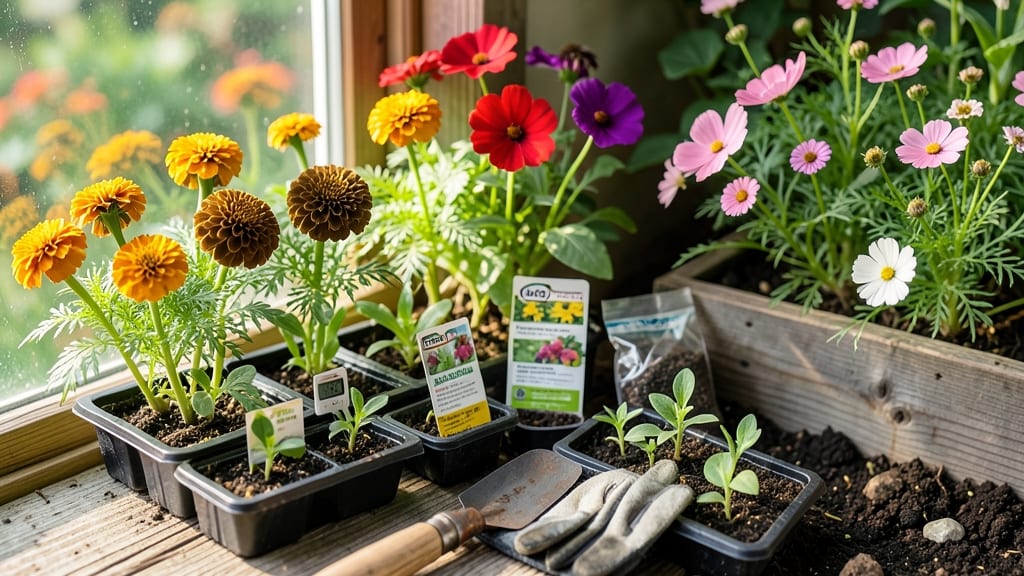
Knowing when to plant flower seeds in Indiana is the key to a vibrant garden that blooms beautifully—without wasting seeds or time on failed sprouts. Unlike other regions, Indiana’s Zone 6a climate gives you two ideal planting windows: early spring (March–April) or late summer (August–September).
But timing it wrong can leave you with sparse blooms—or no blooms at all.
I’ve seen gardeners rush to plant too early, only to watch their seeds rot in cold soil, or wait too long and miss the best growing months. The truth? Soil temperature and frost dates are your real guides—not just the calendar.
For cool-season flowers like pansies, you can start as early as February indoors, while warm-season favorites like marigolds need to wait until after April 15, when the last frost typically passes.
What if you’re new to this? No problem—I’ll walk you through exactly which flowers thrive in each window, how deep to plant them, and even how to stretch your blooming season with simple tricks.
By the end, you’ll know not just when to plant, but how to set your flower seeds up for success from day one.
Let’s turn your Indiana garden into a year-round showstopper—starting with the perfect planting schedule.
Indiana’s frost dates and ideal flower seed planting windows by month
Indiana’s Zone 5-6 climate means gardeners must balance frost risks with soil warmth for successful flower seed germination. The average last frost date hovers around April 15, but northern Indiana may see frost into early May.
Understanding these windows ensures your annuals and perennials thrive without wasting seeds on late frosts.
Cool-season flowers like pansies and snapdragons can handle light frosts, while warm-season beauties (think zinnias and marigolds) need soil temperatures above 60°F to sprout. My rule? Test soil temperature with a thermometer—if it’s below 50°F, wait for warmer days. This simple step saves hours of frustration later.
Here’s the breakdown you’ve been waiting for—month-by-month planting windows tailored to Indiana’s microclimates, including early spring, late spring, and summer sowing opportunities.
| Month | Cool-Season Flowers | Warm-Season Flowers | Soil Temp Requirement | Notes |
|---|---|---|---|---|
| February | Pansies, Sweet Alyssum | None | 40-50°F | Start indoors for early blooms |
| March | Violas, Calendula | None | 45-55°F | Direct sow after last frost threat |
| April | Larkspur, Stock | Marigolds, Basil Flowers | 50-60°F | Wait for soil to warm |
| May | None (too late) | Zinnias, Sunflowers | 60-70°F | Peak planting for summer blooms |
| August | Cosmos, Bachelor’s Buttons | Aster, Goldenrod | 55-65°F | Late summer succession planting |
For northern Indiana gardeners (Zone 5), aim to plant cool-season flowers by March 15 and warm-season flowers after May 1.
Southern Indiana (Zone 6) can push warm-season sowing to April 15, but always check local frost forecasts—I’ve lost count of the times I’ve rushed planting only to see frost return!
Pro tip: Use row covers for early spring plantings to protect tender seedlings. I’ve extended my pansy season by 3 weeks using lightweight fabric—just remove it on warm days to avoid overheating. This small investment pays off with earlier blooms and fewer losses.
Don’t overlook late summer sowing (August) for cosmos and snapdragons. These fast-growing annuals thrive in cooler fall temps and often bloom until first frost. My August-planted cosmos still had vibrant blooms in October last year—proof that timing isn’t just about spring!
Remember: Indiana’s microclimates vary. Urban areas like Indianapolis may warm up faster than rural spots, so observe your garden’s patterns for 2-3 years. Keep a planting journal to track what works best in your yard—it’s the ultimate cheat code for consistent success.
🌱
Best flower seeds to plant in Indiana by season (with fastest blooms guaranteed)
Indiana gardeners know that seasonal timing determines whether your flower seeds thrive or fizzle. For fastest blooms, focus on cool-season flowers like pansies and snapdragons in early spring, while warm-season beauties like zinnias and cosmos shine when planted after April's last frost.
Let’s break down the top performers by season, including days to bloom and hardiness tips tailored to Indiana’s climate.
Start with cool-season annuals like pansies and sweet alyssum—they handle light frosts and bloom in 45-60 days. These are perfect for February-March sowing under frost cloth or in a greenhouse.
For perennials, bearded iris and peony seeds (or roots) planted in early spring reward you with 5-7 years of blooms, starting in late spring.
As temperatures rise, shift to warm-season powerhouses. Zinnias and cosmos sprout in 7-10 days when soil hits 60°F+, blooming in 60-75 days. Plant these after May 15 for continuous color until frost. Don’t overlook native wildflowers like black-eyed Susans—they’re drought-tolerant and attract pollinators.
- 1. Sweet Alyssum – 45 days to bloom; cool-season annual, great for borders.
- 2. Zinnias – 60 days to bloom; heat-tolerant, attracts butterflies.
- 3. Cosmos – 70 days to bloom; drought-resistant, thrives in poor soil.
- 4. Snapdragons – 60-75 days to bloom; biennial, plant in early spring or fall.
- 5. Marigolds – 50-60 days to bloom; pest-repellent, great for containers.
For late summer color, don’t miss celosia and sunflowers. Sow celosia seeds in June-July for fiery blooms by August, while sunflowers (like 'Moulin Rouge') thrive when planted in May-June and reach 5-6 feet tall. These warm-season giants need full sun and deep, fertile soil to shine.
Indiana’s fall-planted flowers like pansies and stock offer winter interest and early spring blooms. Sow these in August-September for frost-hardy displays. Pair them with hardy perennials like aster and goldenrod for a low-maintenance autumn garden.
Remember: Soil temperature matters more than calendar dates. Use a soil thermometer—cool-season seeds need 45-55°F, while warm-season seeds crave 60°F+. Adjust your planting schedule if Indiana’s weather throws curveballs this year!
With these seasonal champions, your Indiana garden will burst with color from spring to frost. Start with fast-blooming annuals, then layer in perennials for long-term beauty. Happy planting!