
Flowers
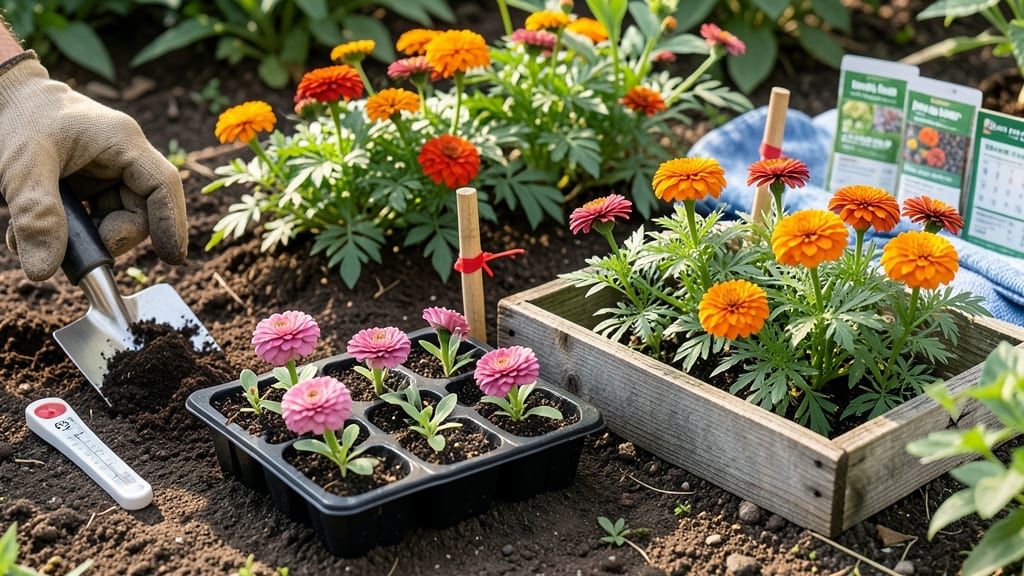
Timing flower seeds in Massachusetts can make or break your garden—plant too early, and frost zaps your blooms; too late, and summer heat arrives before they even sprout. With Zone 5B’s fickle springs, knowing the perfect window means the difference between a vibrant garden and a season of missed opportunities.
Most gardeners in Massachusetts start planning as early as March, but the real magic happens after the last frost date—typically mid-April. Whether you're sowing 🌸 pansies for early color or waiting for marigolds to thrive in summer heat, each flower has its own ideal moment to hit the soil.
Here’s the game-changer: cool-season flowers like snapdragons can handle light frosts, while warm-season zinnias need the ground to stay above 55°F for weeks.
I’ll break down exactly when to start seeds indoors, when to direct-sow outdoors, and how to adjust for your specific corner of the state—whether you’re in coastal Zone 6 or inland Zone 5B.
Ready to turn your Massachusetts garden into a nonstop bloom show? Let’s dive into the exact deadlines, flower-by-flower, so you never miss a beat again.
Massachusetts flower seed planting deadlines by month (Zone 5B guide)
Massachusetts’ Zone 5B climate means your flower seeds must balance late frosts (often until mid-April) with summer heat. Coastal areas like Boston may warm earlier, while inland spots like Worcester can linger colder.
To avoid frost damage or bolting, I’ve mapped out exact deadlines for indoor starts and direct sowing by month.
Start with cool-season flowers like pansies and snapdragons in February-March indoors. These hardy annuals tolerate light frosts and bloom early. For warm-season favorites (e.g., marigolds, zinnias), wait until after your last frost date—typically May 15th—to sow directly outdoors.
Here’s your month-by-month deadline guide, including adjustments for microclimates and succession planting to extend your bloom season.
| Month | Indoor Start (Weeks Before Last Frost) | Direct Sow (Outdoor) | Best Flowers | Microclimate Note |
|---|---|---|---|---|
| February | 6-8 weeks (by March 15) | N/A (too cold) | Pansies, Snapdragons, Calendula | Coastal areas can start earlier |
| March | 4-6 weeks (by April 1) | After April 15 (hardy types) | Lettuce (edging), Sweet Alyssum | Inland areas wait until April 20 |
| April | 2-4 weeks (by May 1) | After April 30 (most cool-season) | Cosmos, Nasturtiums, Dianthus | Use row covers for late frosts |
| May | N/A (too late for indoor) | After May 15 (warm-season) | Marigolds, Zinnias, Sunflowers | Soil temp must be 60°F+ |
| June | N/A | June 1 - July 15 (succession) | Cosmos, Black-Eyed Susans, Celosia | Mulch to retain moisture |
| July | N/A | July 15 - August 15 | Amaranth, Sweet Peas, Morning Glories | Water deeply in heatwaves |
| August | N/A | August 1 - September 1 | Pansies, Sweet Alyssum, Calendula | Fall-blooming perennials |
For perennials, like coneflowers or black-eyed Susans, sow seeds directly in late spring (May-June) after the soil warms. These plants establish roots slowly and benefit from direct sunlight and well-draining soil—critical for Massachusetts’ clay-heavy soils in many regions.
Pro tip: Use row covers or cold frames to extend your spring planting
Best flowers to plant early vs. late in Massachusetts (frost-proof strategies)
Massachusetts gardeners can stretch their bloom season from early spring to late fall by choosing the right flowers for each planting window. The key is matching cold-hardy annuals with early sowing and heat-loving perennials with summer starts.
For example, pansies and snapdragons thrive when planted as early as March, while marigolds and zinnias need to wait until after the last frost in mid-April.
Perennials like coneflowers and black-eyed Susans can handle being sown in late spring (May-June), but they’ll need consistent moisture to establish roots before summer heat arrives. Meanwhile, cosmos and sunflowers are late bloomers that reward patience with dramatic summer displays when planted in June or July.
Here’s the critical distinction: cool-season flowers (like lobelia and sweet alyssum) can tolerate light frosts, while warm-season flowers (such as petunias and geraniums) will bolt or fail if planted too early.
Even perennials like peonies benefit from staggered planting—sowing half in early spring and half in late summer ensures continuous blooms.
Early Planting (March-April) ❄️
- ✅ Early blooms brighten spring gardens
- ✅ Cold-hardy varieties survive light frosts
- ✅ Less competition for nutrients in cooler soil
- ❌ Frost risk if planted too soon
- ❌ Slower growth in cool soil temperatures
- ❌ Limited variety of heat-loving flowers
Late Planting (June-August) ☀️
- ✅ Heat-tolerant flowers thrive in summer
- ✅ Extended bloom season into fall
- ✅ Succession planting fills summer gaps
- ❌ Missed spring color if planted too late
- ❌ Competition for water in dry spells
- ❌ Shorter growing season before first frost
For coastal areas like Cape Cod (Zone 6), you can push early planting 2-3 weeks earlier than inland zones, thanks to milder microclimates. Inland gardeners in Zone 5B should wait until soil temperatures hit 50°F for most annuals.
A simple soil thermometer ($10 at garden centers) takes the guesswork out of timing—just check before sowing.
Pro tip: Mulch newly planted seeds with straw or shredded leaves to protect them from temperature swings. This is especially critical for late-summer plantings, which face the dual threats of heat stress and early fall frosts.
Even a 1-inch layer can mean the difference between thriving blooms and lost seedlings.
🌱