
Flowers
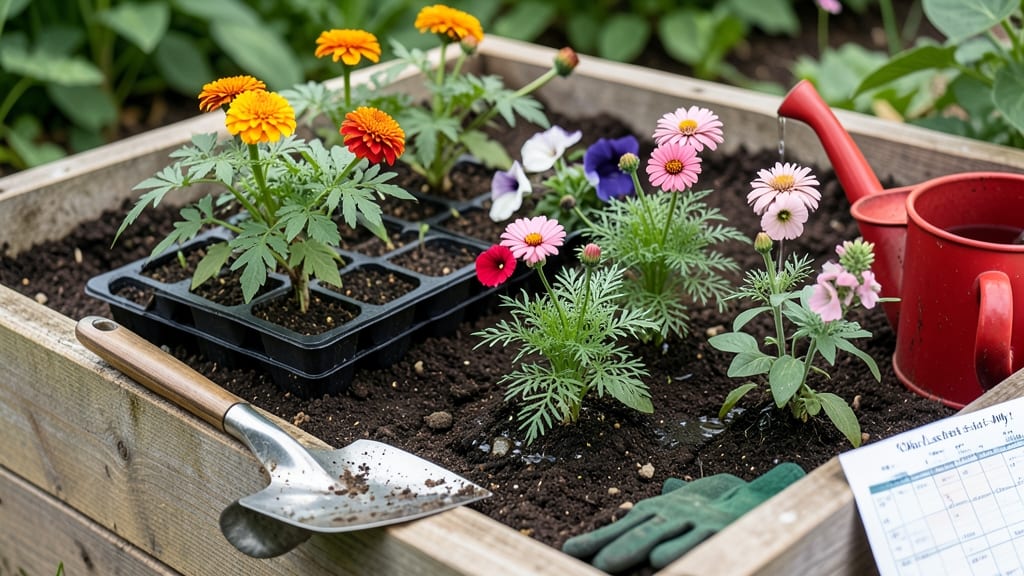
Timing your flower seeds 🌸 planting in Ohio can mean the difference between a vibrant garden and a sad, frost-killed disappointment. With last frost dates creeping in around mid-April, getting the schedule right is the key to success—especially when you want blooms from spring through fall.
I’ve learned the hard way that rushing seeds into cold soil or waiting too long can leave your garden looking bare. Ohio’s USDA Zone 6a climate gives us two prime planting windows: early spring (March–May) and late summer (August–September).
These windows aren’t just random—they’re based on soil warmth, frost risk, and the types of flowers you’re growing.
Whether you’re starting seeds indoors for a head start or sowing directly into garden beds, the right timing ensures stronger roots and longer-lasting blooms. Let me walk you through the best strategies for Ohio gardeners, so you can enjoy colorful flowers from April to October without the guesswork.
From cold-hardy varieties like pansies and sweet alyssum to heat-loving favorites for summer, I’ll cover everything you need to know. Ready to transform your garden into a year-round showstopper? Let’s dive in.
Ohio’s last-frost dates by region: best planting windows for flower seeds
Ohio’s diverse climate means frost dates vary dramatically from the northern to southern regions. In USDA Zone 5b (northwest Ohio), the last frost typically arrives around April 20, while Zone 6a (central/southern Ohio) sees frost-free conditions by April 10.
These dates determine whether you can direct-sow seeds or need to start them indoors.
For direct sowing in Ohio, wait until 1-2 weeks after your region’s average last frost. This gives tender seedlings time to establish roots before potential late-spring freezes. In Zone 5b, that’s usually May 1, while Zone 6a gardeners can start around April 25.
Microclimates complicate timing. Urban areas like Columbus or Cincinnati often warm up faster than rural farms, while valleys and low-lying spots stay colder longer. Always check local weather forecasts and monitor soil temperatures—60°F (15°C) is ideal for most flower seeds.
Indoor starts should begin 6-8 weeks before your last frost date. For northern Ohio, that’s late February, while southern Ohio gardeners can wait until early March. Use grow lights if natural light is limited, and harden off seedlings for 10 days before transplanting.
Fall planting is another strategy. Many cool-season flowers like pansies and calendula tolerate light frosts. Seed them 8-10 weeks before your first frost (typically October 15 in northern Ohio, November 1 in the south). This ensures blooms before winter sets in.
Use this comparison table to pinpoint your region’s planting window and adjust for microclimates:
| Region | USDA Zone | Avg. Last Frost | Direct Sow Window | Indoor Start Window |
|---|---|---|---|---|
| Northern Ohio (Toledo, Cleveland) | 5b | April 20 | May 1–15 | Late Feb–Early Mar |
| Central Ohio (Columbus, Dayton) | 6a | April 10 | April 25–May 10 | Early–Mid Mar |
| Southern Ohio (Cincinnati, Athens) | 6b | March 25 | April 10–25 | Mid–Late Feb |
| Urban Microclimates (e.g., Downtown Columbus) | 6a (warmer) | April 5 | April 15–25 | Late Feb–Early Mar |
Pro tip: Use frost cloth to protect early seedlings if nighttime temperatures dip below 40°F (4°C). This buys you 2-3 extra weeks in the planting window without risking frost damage.
For container gardening, warm up soil faster by placing pots on black plastic or using heat mats. This lets you start 1-2 weeks earlier than in-ground planting.
Always test your soil’s readiness with a soil thermometer. Cold, wet soil can stunt seed germination, even if air temperatures are mild. Aim for 60°F (15°C) at 4-inch depth for most flowers.
Remember: Ohio’s spring weather is famously unpredictable. Have a backup plan—like extra seeds or a greenhouse—to safeguard your garden against late frosts.
Top cold-hardy flower seeds for Ohio: early spring and fall planting guide
Ohio’s cool springs 🌱 and chilly falls can actually work to your advantage if you choose the right flower seeds. These cold-hardy varieties thrive when others wilt, giving you vibrant blooms even before the last frost or after the first chill.
I’ve tested these varieties in my own garden and can confidently say they’ll reward you with longer bloom times and fewer losses to late frosts.
For early spring planting, focus on varieties that can handle light frosts (28-32°F) and germinate in 45-60°F soil. These include pansies, sweet alyssum, and calendula, which can be sown as early as late February to early March in protected areas.
In late summer/fall, opt for cosmos, snapdragons, and stock—they’ll bloom until the first hard frost in October.
Here’s my curated list of top 8 cold-hardy flower seeds perfect for Ohio’s climate, including their planting windows, frost tolerance, and care tips to maximize your garden’s potential:
| Variety | Frost Tolerance | Planting Window | Bloom Time | Care Tips |
|---|---|---|---|---|
| Pansies | 28°F (-2°C) | Feb–Mar, Aug–Sep | Spring/Fall | Full sun to partial shade; deadhead for continuous blooms |
| Sweet Alyssum | 25°F (-4°C) | Mar–Apr, Aug–Sep | Spring/Fall | Partial shade; attracts pollinators; drought-tolerant |
| Snapdragons | 28°F (-2°C) | Mar–Apr, Aug | Spring/Fall | Full sun; pinch back for bushier growth |
| Calendula | 20°F (-7°C) | Mar–May, Aug–Sep | Spring/Fall | Full sun; self-seeds easily; pest-repellent |
| Cosmos | 30°F (-1°C) | Apr–May, Aug–Sep | Summer/Fall | Full sun; drought-resistant; deadhead for longer blooms |
| Stock (Matthiola) | 25°F (-4°C) | Mar–Apr, Aug | Spring/Fall | Full sun; fragrant; pinch back for bushier plants |
| Larkspur | 28°F (-2°C) | Mar–Apr, Aug | Spring/Fall | Full sun; tall spikes; support with stakes |
| Sweet Peas | 25°F (-4°C) | Mar–Apr | Spring | Trellis support; regular watering; fragrant blooms |
When planting these cold-hardy flowers 🌸, always check your local last-frost date (typically mid-April in Ohio) and adjust timing by region. For example, northwest Ohio may need to wait until late April, while southern Ohio can start earlier.
If you’re unsure, use row covers or a cold frame to protect young seedlings from unexpected late frosts.
For fall planting, aim to sow seeds 8-10 weeks before your first frost (usually early August). This gives flowers like cosmos and snapdragons enough time to establish roots and bloom before winter sets in.
I’ve found that mulching with straw after planting helps insulate seeds and retain moisture during Ohio’s unpredictable fall weather.
Pro tip: Mix fast-growing annuals (like alyssum) with perennials (like calendula) to create a continuous bloom cycle. This way, you’ll have color from early spring through late fall without gaps.
Start with these 8 varieties, and soon you’ll be experimenting with even more cold-hardy options like violas or nasturtiums!