
Plants
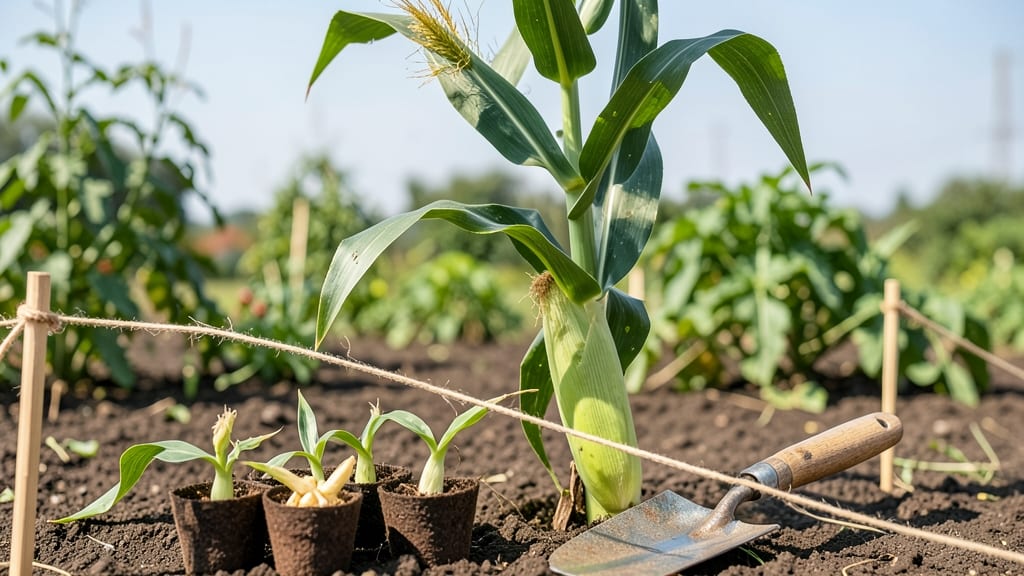
Planting corn in Tennessee at the wrong time can turn your 🌽 dreams into disappointment—whether you're in the cooler hills of Zone 6 or the warmer valleys of Zone 7.
The difference between a thriving crop and a failed harvest often comes down to knowing those critical planting windows that align with your local frost dates and soil warmth.
I’ve seen firsthand how Tennessee’s microclimates throw off even experienced gardeners. What works in Nashville’s Zone 7 might fail in Chattanooga’s Zone 6 if you don’t adjust for elevation or last frost dates.
The key isn’t just memorizing months—it’s understanding when your soil is ready and how to extend the season if needed.
In this guide, I’ll break down the exact Zone 6-7 planting deadlines you need to avoid frost damage and maximize yield.
We’ll cover soil temperature thresholds, regional variations, and pro tips to help you time your planting like a local expert—so you can enjoy that first ear of sweet corn at its peak.
Ready to turn your garden into a cornfield success story? Let’s get started with the timing that makes all the difference.
Tennessee corn planting deadlines by Zone 6-7: exact dates for frost-free success
Tennessee’s USDA Zones 6 and 7 create a 2-3 week difference in ideal corn planting times. In Zone 6 (eastern TN), like Chattanooga or Knoxville, aim for mid-April to early May—after the last frost (typically April 15).
Meanwhile, Zone 7 (middle/west TN), including Nashville and Memphis, can start as early as late March once soil warms to 50°F+. These windows ensure corn germinates quickly and avoids late spring frosts that can devastate young plants.
Corn thrives when soil temperatures stay above 60°F for 10+ days. Use a soil thermometer to confirm readiness—planting too soon in cool soil leads to poor germination or stunted growth.
In Tennessee, this usually aligns with late April for Zone 6 and early April for Zone 7, but watch for unpredictable late frosts in higher elevations like the Cumberland Plateau.
For sweet corn varieties (like 'Silver Queen' or 'Peaches and Cream'), stick to these deadlines: April 15–May 10 in Zone 6 and March 25–April 20 in Zone 7.
These dates balance frost risk and harvest timing—most sweet corn matures in 70–90 days, so late May plantings risk fall frosts cutting the season short.
Field corn (e.g., 'Pioneer Brand 33B48') has a slightly later window: May 1–15 across both zones. Field corn takes 90–120 days to mature, so planting earlier risks overcrowding or pest pressure before harvest.
Always check your seed packet for days to maturity and count backward from your average first frost date (typically October 15–30 in TN).
Tennessee’s microclimates can shift planting windows by 10+ days. For example, Memphis (Zone 7b) might start in late March, while Bristol (Zone 6b) waits until early May. Check local Almanac frost dates and observe nearby farms for soil warming trends.
If your garden sits in a low-lying area, it may warm faster—plant 1 week earlier than average.
Pro tip: Use black plastic mulch to warm soil 2–3°F faster in cooler zones. Lay it down 2 weeks before planting to jumpstart germination. Pair this with row covers for early plantings to protect against late frosts (even Zone 7 can see 28°F dips in April).
For high-altitude gardens (e.g., Great Smoky Mountains), opt for cold-tolerant varieties like 'Early Sunglow' (65-day maturity).
Never plant corn before April 1 unless you’re using a greenhouse or row covers. Early plantings risk soil-borne diseases (like fusarium) and poor root development. Instead, wait for consistent 60°F+ soil temps—test with your finger: soil should feel warm to the touch 2 inches deep.
If it’s cool or damp, delay planting.
For urban gardeners in cities like Nashville or Chattanooga, container planting can extend the season by 2–3 weeks. Use 5-gallon pots with well-draining mix and plant 2 weeks after your ground planting date. Urban heat islands can also warm soil faster, so
How to adjust corn planting time for Tennessee’s microclimates and soil conditions
Tennessee’s diverse microclimates mean that a planting schedule perfect for Nashville’s Zone 7 might fail in the cooler Great Smoky Mountains of Zone 6. Even within the same county, elevation changes can shift your last frost date by weeks.
If you’re gardening in urban areas like Memphis or Knoxville, heat islands can also push back planting times—so don’t rely solely on the USDA zone map.
I’ve learned the hard way that soil type plays a huge role too. Heavy clay soils in West Tennessee hold moisture longer but warm up slower in spring, while sandy soils in East Tennessee drain quickly and may need extra watering.
Adjusting your planting time based on these factors can mean the difference between stunted plants and a lush cornfield.
Here’s how to fine-tune your planting schedule for Tennessee’s unique conditions, including high-altitude adjustments and soil-specific tips:
⚠️ Warning: Planting Too Early in Cool Microclimates
Cold soil (below 50°F) can stunt corn growth or even kill seedlings. In Zone 6 high-altitude areas (e.g., Gatlinburg, Sevierville), wait until late April to early May when soil temps consistently reach 60°F. Use a soil thermometer—don’t guess!
For urban gardeners in cities like Nashville or Chattanooga, heat reflection from buildings can create microclimates where soil warms up 1-2 weeks earlier than rural areas.
If your garden sits near pavement or dark surfaces, you might safely plant sweet corn varieties like ‘Silver Queen’ as early as mid-April, but monitor for unpredictable late frosts.
If you’re dealing with heavy clay soil, consider planting in raised beds or mounding soil to improve drainage and warmth. For sandy soils, add organic matter (like compost or aged manure) to retain moisture and nutrients. Both adjustments can help you plant 1-2 weeks earlier in ideal conditions.
To extend your growing season—especially in Zone 6 areas—use row covers or cold frames to protect early plantings. Some gardeners in East Tennessee even plant cold-hardy varieties like ‘Early Sunglow’ under row covers in late March, removing them once soil warms up.
Just be prepared to water consistently under covers to prevent fungal issues.
Finally, keep an eye on local weather patterns. Tennessee’s spring weather can be unpredictable, with late frosts hitting as late as mid-April in some areas. Sign up for local frost alerts or use a frost clock to time your planting perfectly.
When in doubt, err on the side of planting later—corn can handle heat better than cold!