
Planting
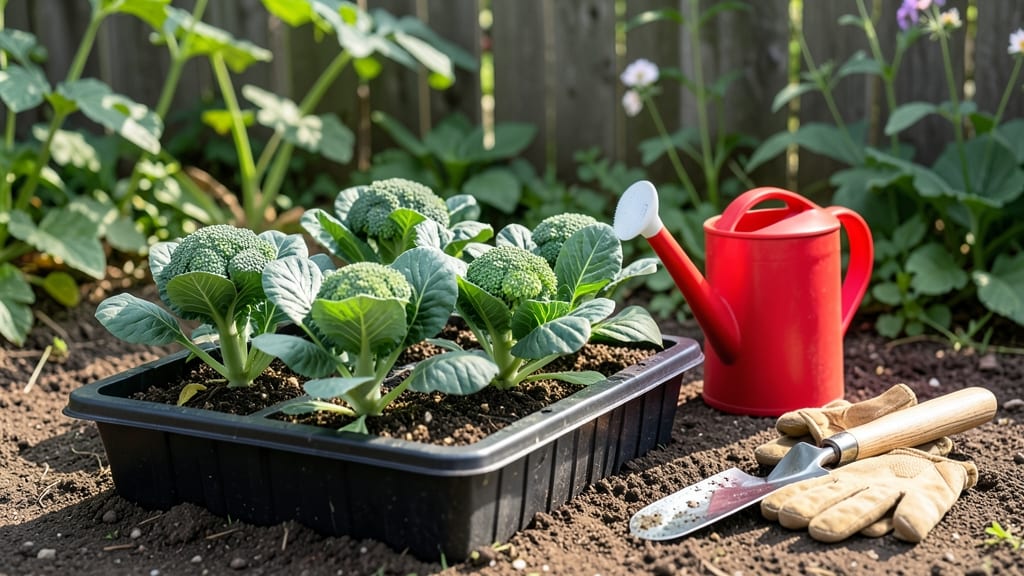
When to plant a fall garden in Zone 7 can mean the difference between a bountiful harvest and wasted seeds—especially when heat waves linger longer than expected.
If you're eager to grow a 🍂 fall garden that thrives until the first frost, knowing the exact planting windows is the key. Too early, and your plants will bolt in the heat; too late, and they won’t mature before winter sets in.
The sweet spot? Planting between August and early October for most heat-tolerant varieties.
I’ve tested this approach in Zone 7’s unpredictable climate, and the results speak for themselves: faster growth, higher yields, and fewer disappointments. Whether you’re a seasoned gardener or just starting, these insights will help you learn how to time your plantings perfectly for a productive fall harvest.
Let’s dive into the exact dates, crop-by-crop strategies, and pro tips to ensure your fall garden doesn’t just survive—but thrives—until the first frost hits.
Zone 7 fall planting timeline: exact dates for heat-tolerant vegetables
In Zone 7, where summers often stretch into early fall, timing your fall garden correctly is everything. The key is planting heat-tolerant varieties early enough to establish roots but not so early that they bolt in the lingering summer heat.
Most Zone 7 gardeners aim to beat the first frost—typically around November 1—while avoiding the dog days of August.
Your planting window starts in mid-August for the most resilient crops and extends through early October for faster-maturing varieties. The trick is balancing soil temperatures (ideal: 50-75°F) with daylength, which shortens as fall approaches. Let’s break down the exact dates for your most productive crops.
🌱 Zone 7 Fall Planting Schedule
| Crop Type | Planting Window | Days to Harvest | Heat Tolerance | Frost Tolerance |
|---|---|---|---|---|
| Leafy Greens (Lettuce, Spinach, Kale) | Late August - Mid-September | 30-60 days | Moderate (avoid bolting) | High (survives light frost) |
| Root Vegetables (Carrots, Beets, Radishes) | Mid-August - Early October | 50-80 days | High (thrive in cool soil) | Very High (harvest before frost) |
| Brassicas (Broccoli, Cabbage, Brussels Sprouts) | Late August - Early September | 60-90 days | Moderate (slow growth in heat) | High (sweeten with frost) |
| Herbs (Cilantro, Parsley, Dill) | Late August - October | 30-70 days | Moderate (bolts in heat) | Moderate (harvest before frost) |
| Peas & Beans (Green Beans, Snap Peas) | Early September - Mid-October | 50-70 days | Low (struggle in heat) | Low (harvest before frost) |
⚠️ Pro Tip: For last-minute plantings in October, choose fast-maturing varieties like bush beans or radishes (25-30 days to harvest).
For leafy greens, start seeds indoors in late July or direct-sow in late August to avoid bolting. Kale and spinach actually sweeten with frost, so planting them by September 15 ensures a late harvest. Use shade cloth if temperatures exceed 85°F to protect tender seedlings.
Root vegetables like carrots and beets thrive when soil temperatures drop below 80°F, making mid-August the ideal start. Loosen soil and remove rocks to prevent forking. Brassicas, such as broccoli and cabbage, need consistent moisture—water deeply 2-3 times per week once planted to prevent bitter flavors.
Herbs like cilantro and parsley bolt quickly in heat, so plant them in partial shade or use shade cloth if sowing in August. Dill, however, loves the heat and can be direct-sown until mid-September. Always check seed packets for
Zone 7 fall planting timeline: exact dates for heat-tolerant vegetables
Timing your fall garden in Zone 7 starts with understanding the temperature thresholds for each crop. Unlike spring planting, fall requires a different approach—heat-tolerant varieties that can handle lingering summer warmth while still maturing before the first frost (typically November 1).
The key is planting 4-6 weeks before frost to ensure a harvest before winter sets in.
For leafy greens like kale, spinach, and lettuce, aim to plant between mid-August and early September.
These cool-season crops thrive in 60-70°F soil temperatures and can tolerate light frosts, making them ideal for fall. Root vegetables, such as carrots, beets, and radishes, should go in the ground by late August to avoid bolting in the heat.
Here’s a breakdown of the optimal planting windows for your Zone 7 fall garden, tailored to heat tolerance and frost sensitivity:
| Crop Type | Planting Window | Soil Temp (°F) | Days to Harvest | Notes |
|---|---|---|---|---|
| Leafy Greens (Kale, Spinach, Lettuce) | Mid-August – Early September | 60-70°F | 30-60 days | Tolerates light frost; plant successionally |
| Root Vegetables (Carrots, Beets, Radishes) | Late August – Early September | 65-75°F | 40-70 days | Avoid planting too early; heat causes bolting |
| Brassicas (Broccoli, Cabbage, Brussels Sprouts) | Early September – Mid-September | 55-65°F | 60-90 days | Start seeds indoors in late summer for transplants |
| Herbs (Cilantro, Parsley, Dill) | Late August – Early October | 60-70°F | 30-50 days | Cilantro bolts in heat; choose heat-tolerant varieties |
If you’re planting brassicas like broccoli or cabbage, start seeds indoors in late July or early August for transplants by early September. These cool-loving crops need consistent temperatures below 75°F to thrive, so timing is critical.
For herbs like cilantro, opt for heat-tolerant varieties or plant them in partial shade to prevent bolting.
Pro tip: Use a soil thermometer to monitor temperatures—ideal soil temps for fall planting range from 60-75°F, depending on the crop. If your soil is still too hot (above 80°F), wait a few days or use shade cloth to cool it down before planting.
Remember, succession planting is your best friend in Zone 7’s unpredictable fall. By staggering plantings every 2-3 weeks, you’ll ensure a continuous harvest until the first frost. This works especially well for leafy greens and radishes, which mature quickly.