
Plants
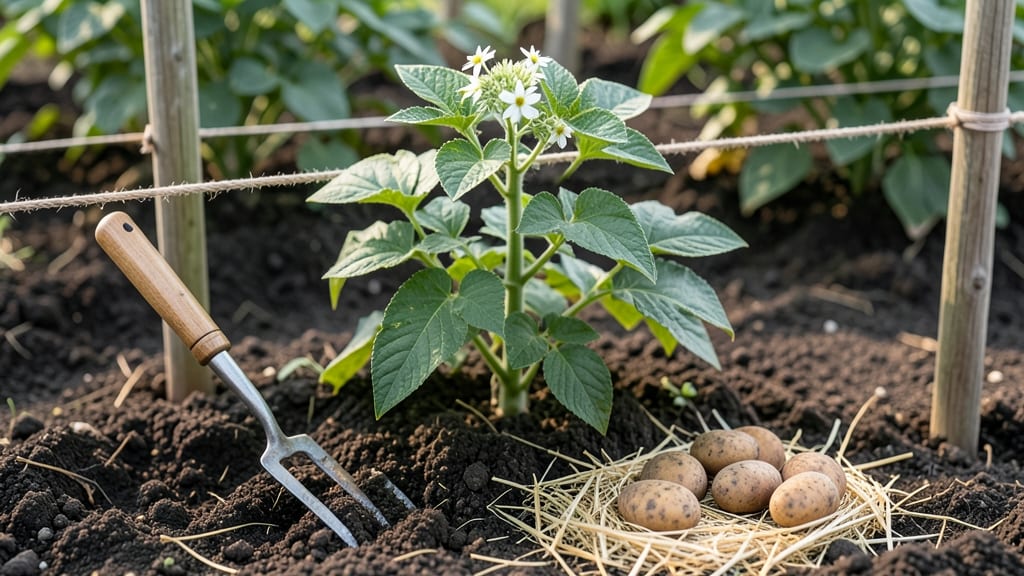
If you're planting fall potatoes in Oklahoma, timing is the difference between a bumper crop and a frost-wrecked disappointment. Oklahoma’s USDA Zones 7a and 7b demand precision—plant too early, and your 🥔 harvest gets zapped by early frost; too late, and your tubers won’t mature before winter sets in.
Most Oklahoma gardeners swear by late August to early September as the sweet spot, but your exact window depends on soil temps (aim for 50-60°F) and local frost dates. I’ll break down how to calculate your frost-free window using NOAA data, so you can plant with confidence—no guesswork.
This isn’t just about dates, though. We’ll cover how to prep Oklahoma’s heavy clay soil for fall planting, which potato varieties thrive in your zone, and how to space them for maximum yield.
Whether you’re a first-timer or a seasoned grower, these tips will help you avoid common mistakes that derail Oklahoma fall harvests.
Ready to grow potatoes that outlast the frost? Let’s dive into the exact steps to plant, nurture, and harvest your fall crop—without the stress of timing gone wrong.
Oklahoma fall potato planting dates by soil temperature & frost risk
Oklahoma’s fall potato planting window hinges on two critical factors: soil temperature and frost risk. Aim to plant when soil reaches 50-60°F—too cold, and seeds rot; too warm, and tubers struggle to form.
For most of Oklahoma (USDA Zones 7a/7b), this means late August to early September, with rural areas like Altus or Lawton having a slightly longer window than urban zones like Oklahoma City or Tulsa.
Use a soil thermometer to confirm readiness—planting when temps dip below 50°F risks blackleg disease, while waiting too long cuts harvest time before first frost. Oklahoma’s average first frost date ranges from October 20-30, but microclimates (e.g., Arbuckle Mountains) can delay frost by 1-2 weeks.
Check NOAA’s Local Climate Data for your county to refine your timeline.
Here’s how to calculate your frost-free window: Subtract your average first frost date from your target harvest date (typically 75-90 days after planting). For example, if frost hits October 25 and your Yukon Golds need 80 days, plant by July 26—but that’s spring planting.
For fall potatoes, adjust for shorter-day varieties like Red Pontiac (60 days) and plant 8-10 weeks before frost.
Oklahoma’s three distinct regions affect timing: Western Oklahoma (e.g., Guymon) can plant 1-2 weeks later due to drier climates, while Southeastern Oklahoma (e.g., McAlester) may need to start 2 weeks earlier to avoid early frosts.
Elevation also plays a role—higher areas like Oklahoma’s Ozark Plateau experience frost 10-14 days earlier than lowlands.
Oklahoma Fall Potato Planting Timeline
| Region | Ideal Planting Window | Soil Temp Requirement | First Frost Date | Suggested Varieties |
|---|---|---|---|---|
| North-Central (OKC, Tulsa) | Late August - Early Sept | 50-60°F | Oct 20-25 | Yukon Gold, Red Pontiac |
| Western (Altus, Guymon) | Early Sept - Mid-Sept | 50-60°F | Oct 25-Nov 2 | Kennebec, Fingerling |
| Southeastern (McAlester, Tahlequah) | Mid-August - Late Aug | 50-60°F | Oct 15-20 | Adirondack Red, Purple Viking |
| Mountainous (Arbuckle Mtns) | Late August - Early Sept | 50-60°F | Oct 10-15 | Russian Banana, Katahdin |
*Adjust planting dates 1-2 weeks earlier for high-elevation areas or later for urban heat islands.
For extended harvests, consider succession planting in late August with fast-maturing varieties (e.g., Red LaSoda, 60 days). Plant a second batch in early September with longer-season types (e.g., Russet Burbank, 90 days) to stagger your harvest.
Just ensure the second planting has at least 60 days before frost—otherwise, opt for cold-hardy varieties like Purple Majesty.
Pro tip: Use black plastic mulch to warm soil 5-10°F faster in cooler regions. Lay it down 1-2 weeks before planting to jumpstart soil temperature.
In clay-heavy soils (common in Oklahoma), mix in compost or aged manure to improve drainage—waterlogged soil leads to rot and scab, two of Oklahoma’s most common potato diseases.
Monitor weekly temperature trends via the Oklahoma Mesonet (mesonet.org) to fine-tune your planting. If a heatwave pushes soil temps above 70°F, delay planting until temps drop—potatoes need consistent coolness to form tubers. In drought-prone areas like Western Oklahoma, priorit
Oklahoma fall potato planting dates by soil temperature & frost risk
Oklahoma’s USDA Zones 7a and 7b create a unique challenge for fall potatoes—your planting window hinges on two critical factors: soil temperature and frost risk.
Unlike spring planting, fall potatoes need 4-5 months to mature before the first frost, which in Oklahoma typically arrives between October 15 and November 15, depending on your location.
For most of Oklahoma, the ideal fall planting window is late August through early September. This gives your potatoes enough time to develop before temperatures drop below 50°F—the threshold where growth slows dramatically.
However, rural areas and higher elevations (like the Ozark Plateau) may need to plant as early as mid-August to avoid frost.
Here’s the golden rule: Plant when soil temps reach 50-60°F and you have at least 90 days until first frost. Use a soil thermometer to check—Oklahoma’s clay-heavy soils can stay warm longer than sandy areas, so don’t rush.
In Oklahoma City, for example, soil temps drop below 50°F around mid-October, while Tulsa may have a week or two extra.
| Location | Ideal Planting Window | Soil Temp Goal | First Frost Avg. |
|---|---|---|---|
| Oklahoma City | Late Aug - Early Sept | 50-60°F | Oct 25 - Nov 5 |
| Tulsa | Early Sept | 50-60°F | Nov 1 - Nov 10 |
| Western OK (e.g., Lawton) | Mid-Aug - Late Aug | 55-65°F | Oct 15 - Oct 25 |
| Southeastern OK (e.g., McAlester) | Late Aug - Early Sept | 50-58°F | Nov 5 - Nov 15 |
To pinpoint your exact window, check the 30-year average first frost date for your county on the NOAA Climate Data website. Subtract 90 days from that date to find your last possible planting window.
For example, if your frost date is November 10, your final planting day is August 11. Pro tip: Oklahoma’s microclimates mean urban areas (like Norman) may frost earlier than rural farms, so adjust accordingly.
If you’re planting in containers or raised beds, you can extend your window slightly—these warm up faster in fall and insulate better against early cold snaps. Just ensure your containers have drainage holes to prevent waterlogged soil, which stunts tuber growth.
For fastest harvests, opt for early-maturing varieties like ‘Yukon Gold’ (75 days) or ‘Red Pontiac’ (70 days). These thrive in Oklahoma’s short fall season and resist common diseases like late blight, which flares up in humid Oklahoma autumns.