
Plants
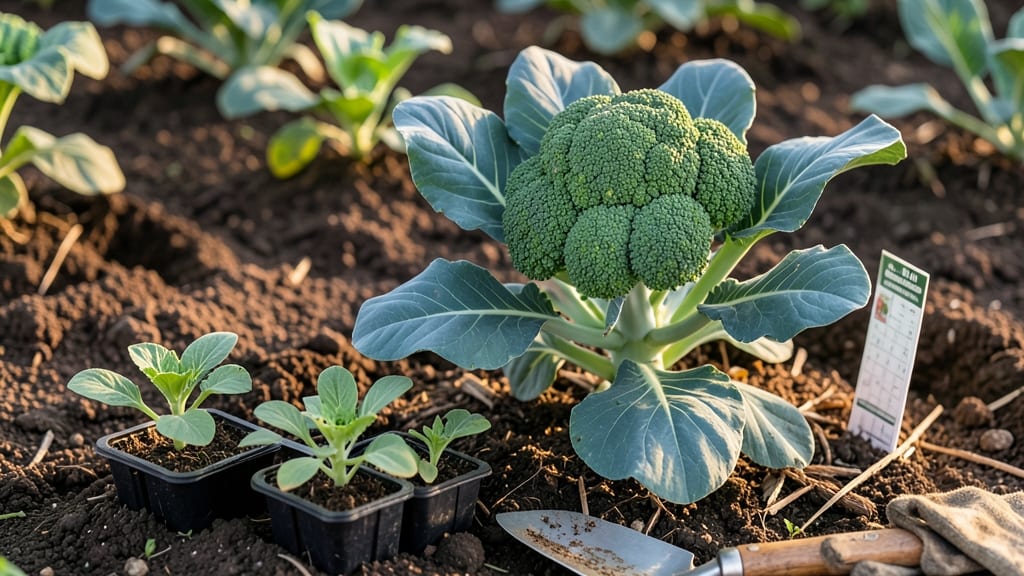
If you’ve ever planted fall broccoli in Zone 7 only to watch it bolt before producing a single head, you’re not alone. The key to success lies in timing—specifically, knowing when to start seeds or transplants to avoid the heat while still maximizing your harvest before frost.
Zone 7’s summer heat can turn broccoli into a bitter, flowering mess if planted too early, but late starts risk stunted growth. The sweet spot? 4-6 weeks before your first frost, typically in late summer to early fall.
With the right varieties and a few simple tricks, you can turn this challenge into a reliable harvest of crisp, flavorful crowns.
I’ve tested the best heat-tolerant varieties and timing strategies to help you skip the guesswork. Whether you’re a seasoned gardener or a first-timer, these insights will ensure your 🥦 broccoli thrives—no matter how unpredictable Zone 7’s fall weather gets.
Ready to grow broccoli that actually produces? Let’s dive into the exact planting windows, soil prep, and variety choices that make all the difference in your garden’s success.
Best planting windows for fall broccoli in Zone 7 (with heat-tolerant variety guide)
Zone 7 gardeners face a unique challenge: broccoli hates summer heat, but fall planting windows are tight. The key is timing—plant too early, and you’ll battle bolting from residual summer heat; too late, and frost will cut your harvest short.
For Zone 7, aim for late July through mid-August for a reliable fall crop, with a backup window in early September for quick-maturing varieties.
Broccoli thrives when soil temperatures drop below 80°F (27°C), making late summer the sweet spot. In Zone 7, where average last frost dates hover around October 15, your goal is to plant 60-90 days before frost—typically July 15 to August 15.
This gives plants enough time to mature before winter chills arrive. For a second harvest, try early September plantings with fast varieties like 'De Cicco'.
Direct sowing vs. transplants? Both work, but transplants give you a head start. Start seeds indoors 4-6 weeks before your target outdoor date (mid-June for July plantings) or buy healthy 4-6 week old seedlings from nurseries.
Harden off transplants for 7-10 days before moving them to the garden to reduce shock.
🌱 Zone 7 Fall Broccoli Planting Guide
| Planting Window | Soil Temp | Days to Maturity | Best Varieties |
|---|---|---|---|
| Late July | 65-75°F (18-24°C) | 75-90 days | 'Waltham 29', 'Calabrese' |
| Mid-August | 60-70°F (15-21°C) | 60-75 days | 'De Cicco', 'Green Magic' |
| Early September | 55-65°F (13-18°C) | 50-60 days | 'Belstar', 'Packman' |
📅 Pro Tip: Check your local first frost date—Zone 7 averages November 15, but microclimates vary. Use a frost calculator for precise timing.
Microclimates matter! If you live in a cooler pocket of Zone 7 (like higher elevations), you can push plantings into early September. Conversely, in hotter urban areas, stick to July plantings and use shade cloth to protect seedlings.
Always test soil temperatures with a soil thermometer—broccoli roots prefer 55-70°F (13-21°C) for optimal growth.
Preparing your soil is half the battle. Broccoli loves rich, well-draining soil with a pH of 6.0-7.0. Amend your garden beds with 2-3 inches of compost and a balanced fertilizer (5-10-10) before planting.
For heavy clay soils, mix in sand or peat moss to improve drainage. Avoid fresh manure—it can cause bolting from excess nitrogen.
Spacing is critical for disease prevention and airflow. Plant broccoli heads 18-24 inches apart in rows 24-30 inches apart. This gives plants room to grow and reduces humidity around leaves, cutting down on downy mildew risk.
For container gardening, use 5-gallon pots with 1 plant per container and ensure pots have drainage holes.
Companion planting can boost your broccoli’s success. Pair it with dill, celery, or onions to deter pests like cabbage worms. Avoid planting near tomatoes or strawberries, as they compete for nutrients and attract similar pests. A marigold border around your broccoli patch can also repel aphids naturally.
After planting, mulch with 2-3 inches of straw or shredded leaves to retain moisture and regulate soil temperature. This is especially important in Zone 7’s hot summers and cool falls.
Mulch also suppresses weeds, reducing competition for nutrients. Water deeply 1-2 inches per week, focusing on the soil—not the leaves—to prevent fungal diseases like black rot.
Monitor your plants closely for signs of stress. Yellowing leaves often signal overwatering or nutrient deficiencies, while purple stems mean phosphorus deficiency. Adjust your care routine accordingly—broccoli is a heavy feeder and may need a side dressing of compost mid-season to stay vigorous.
With the right timing and care, you’ll enjoy a bountiful fall harvest of crisp, flavorful broccoli heads.
How to prevent bolting in late-planted broccoli (Zone 7-Specific tips)
Zone 7’s lingering summer heat can turn your fall broccoli into bitter, flowering stalks before you even harvest. Bolting happens when plants sense heat stress and rush to produce seeds. The good news? With the right strategies, you can extend your broccoli’s growing season by 3-4 weeks or more.
Start with shade protection—even 30% shade cloth can lower soil temps by 10-15°F, keeping plants cool enough to form heads.
Another critical factor is soil moisture. Broccoli hates fluctuating water levels—consistent 1-2 inches of water per week prevents stress that triggers bolting. Use drip irrigation or soaker hoses to deliver water directly to roots, avoiding wetting leaves (which can cause disease).
Mulch with straw or wood chips to retain moisture and regulate soil temperature—this is especially important in Zone 7’s hot, dry spells.
For extra insurance, choose bolting-resistant varieties like ‘De Cicco’ or ‘Waltham 29’—these handle heat better than standard types. If your plants start showing signs of bolting (yellowing leaves or flower stalks), harvest any side shoots immediately to redirect energy back to the main head.
You can also prune lower leaves to improve airflow and reduce stress.
Timing is everything when it comes to fertilizer. Over-fertilizing with nitrogen in late summer can encourage leafy growth at the expense of heads. Instead, switch to a low-nitrogen, high-phosphorus fertilizer (like 5-10-10) in August to support head formation. Avoid fresh manure—it can raise soil temps and trigger bolting.
Finally, monitor your microclimate. Areas near buildings or pavement stay warmer longer. If your garden is particularly hot, consider raising beds or planting in containers—they cool down faster than in-ground soil. Use a soil thermometer to check temps; broccoli thrives when soil stays between 60-75°F.
With these adjustments, you’ll avoid the heartbreak of bolting and enjoy crisp, flavorful broccoli straight through Zone 7’s fall—maybe even into early winter if you’re lucky! 🥦