
Planting
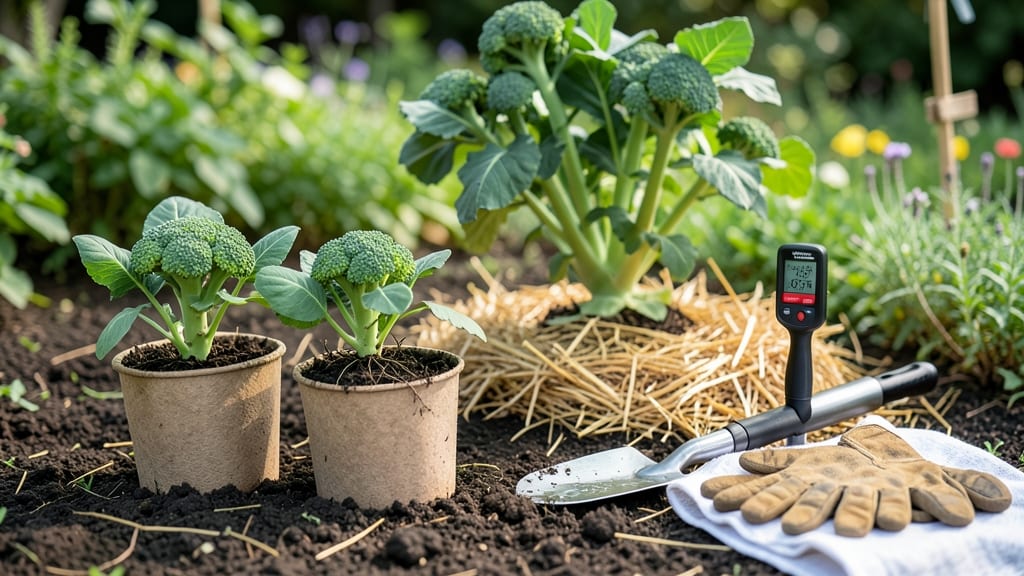
If you're dreaming of a bountiful fall harvest in Mississippi, knowing when to plant your fall garden could mean the difference between a thriving plot and wasted effort.
The state's long, hot summers and unpredictable frost dates demand precise timing—plant too early, and your greens bolt in the heat; too late, and frost steals your rewards.
Mississippi's USDA zones 7-8 offer a unique growing window where heat-loving crops like sweet potatoes and collards can still thrive even as temperatures dip. The key is starting 6-8 weeks before your first frost, typically between mid-July and early September, depending on your region.
This isn't just about avoiding frost—it's about working with the climate's quirks.
I've tested these strategies in my own Mississippi garden, and the results speak for themselves: cooler weather actually improves flavor and yield for many crops.
You'll discover which varieties handle the late-summer heat best, how to prep your soil for maximum success, and even how to extend your harvest window with simple techniques.
Let's break down the exact schedule, crop-by-crop, so you can plant with confidence and enjoy fresh produce straight from your garden through fall's crispest days.
Mississippi’s fall planting timeline by month (with heat-tolerant crops)
Mississippi’s fall garden success hinges on timing—especially since our USDA Zones 7-8 experience long summers and unpredictable frost.
The key is planting heat-tolerant crops early enough to establish roots before cooler temps arrive, typically 6-8 weeks before your average first frost (usually mid-October in North MS, late November in South MS).
For most of Mississippi, this means starting late July to early September.
I’ve broken it down by month below, including regional adjustments for North, Central, and South zones. Okra, sweet potatoes, and collard greens are my top picks for late-summer heat, while kale and spinach wait for cooler September temps.
🌱
| Month | North MS (Zone 7) | Central MS (Zone 7b) | South MS (Zone 8a) | Notes |
|---|---|---|---|---|
| Late July | Okra, sweet potatoes, southern peas | Okra, sweet potatoes, collards | Okra, sweet potatoes, black-eyed peas | Plant now for heat tolerance. |
| Early August | Tomatoes, peppers, cucumbers | Tomatoes, peppers, green beans | Tomatoes, peppers, okra | Use shade cloth if temps exceed 95°F. |
| Mid-August | Carrots, radishes, turnips | Carrots, radishes, lettuce (heat-tolerant) | Carrots, radishes, Swiss chard | Water deeply to prevent bolting. |
| September | Kale, spinach, broccoli | Kale, spinach, Brussels sprouts | Kale, spinach, cabbage | Ideal for cool-season crops. |
August is your golden window for most fall vegetables. For example, I plant tomatoes and peppers in early August to give them time to mature before first frost.
In South Mississippi, you can push this to early September, but North Mississippi gardeners should start earlier to avoid early frost risks.
Pro tip: Use row covers if planting cool-season crops like spinach in late August. They protect tender seedlings from unpredictable heat spikes while still allowing sunlight through. I’ve saved entire plantings this way during 90°F September days.
Soil temperature matters just as much as air temperature. Aim for 60-70°F soil for most fall crops. Use a soil thermometer to check—especially for carrots and radishes, which struggle in hotter soil. If your soil is above 80°F, wait a week or two before planting.
🌿
Don’t forget to succession plant! For example, I plant radishes every 2 weeks in August for a continuous harvest. This works because they mature in just 30 days, giving you time for 2-3 harvests before frost.
Meanwhile, kale and collards planted in September actually sweeten with frost, making them perfect for late-season harvests.
Mississippi’s humidity can also throw off planting timing. If you notice fungal diseases like powdery mildew on your cucumbers or squash, it’s a sign you planted too late. Pull affected plants and replace them with fast-growing crops like bush beans or turnips, which tolerate cooler temps better.
Finally, keep an eye on your local frost date. The Mississippi State University Extension provides updated frost maps—bookmark theirs for real-time adjustments. For example, Tupelo (Zone 7a) averages frost by November 15, while Biloxi (Zone 8a)
Best heat-tolerant fall vegetables for Mississippi gardens (ranked by success rate)
Mississippi’s summer heat doesn’t have to stop your fall garden dreams. Some vegetables actually thrive in the late-summer warmth before cooler temperatures arrive. I’ve grown these top performers in my own garden, and they consistently deliver even when other crops struggle.
The key is selecting varieties that handle 90°F+ temperatures while still maturing before frost.
These crops are ranked by yield potential, disease resistance, and adaptability to Mississippi’s humidity and heat.
Each one has a specific window where planting gives the best results—usually between mid-July and early September—so you can harvest before the first frost hits (typically mid-November to early December, depending on your region).
Okra tops the list because it loves the heat and keeps producing pods until frost. Plant seeds directly in the soil from mid-July to early August for a continuous harvest. I’ve seen my okra plants yield 30-40 pods per plant in Mississippi’s climate when given enough space and consistent watering.
Sweet potatoes are another heat-loving champion that actually needs warm soil to germinate. Start slips (young plants) in late July for a harvest in 100-120 days. The key is keeping the soil consistently moist but not soggy—Mississippi’s humidity can lead to rot if you overwater.
Use black plastic mulch to warm the soil faster and retain moisture.
For leafy greens like collards and kale, timing is critical. These crops handle light frosts but will bolt (go to seed) if planted too early in the heat. Aim for late August to early September plantings so they mature before temperatures drop below 50°F at night.
I’ve found that direct-seeding works better than transplants for these heat-tolerant varieties.
Don’t overlook short-season carrots like 'Paris Market' or 'Nantes'. These varieties mature in 60-70 days, giving them time to grow before frost. Plant them 6-8 weeks before your first frost date—typically by mid-August in most of Mississippi.
Use loose, well-draining soil to prevent forking, and keep them consistently watered to avoid woody roots.
Pro tip: Pair these heat-tolerant crops with cool-season companions like radishes or turnips. Radishes mature in just 25-30 days, so you can plant them alongside your slower-growing fall crops. This interplanting strategy maximizes your garden space and extends your harvest window well into fall.