
Plants
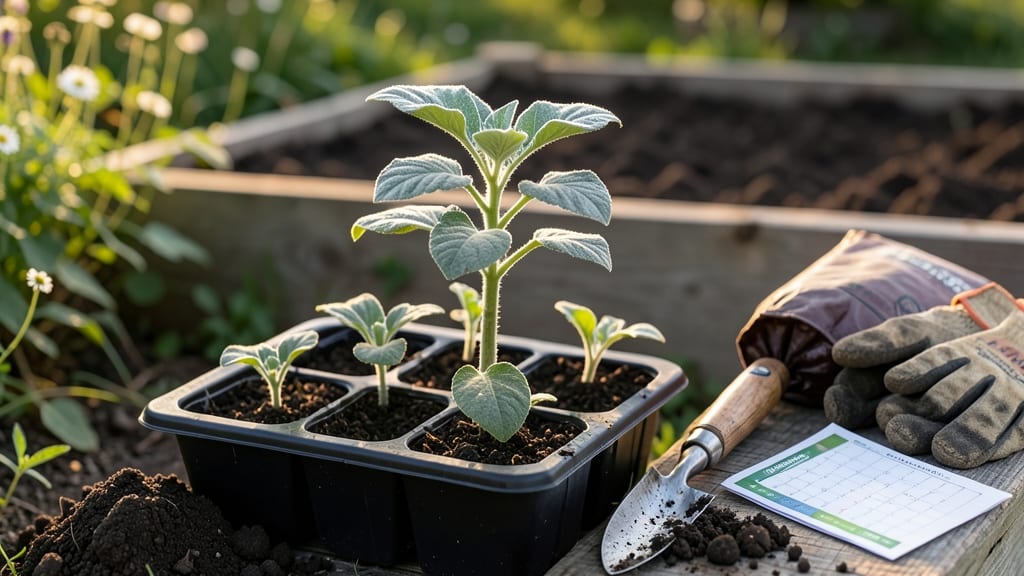
Timing your eggplant planting in North Carolina is the key to avoiding frost damage and ensuring a bountiful harvest of 🍆. If you plant too early, those tender seedlings will wilt under even a light chill, while waiting too long might cut your growing season short.
For Zone 7B-8A gardeners, the sweet spot is between April 15 and June 15, after the last frost has passed and soil temperatures hit at least 70°F.
The challenge here is balancing NC’s unpredictable spring weather with eggplants’ heat-loving nature. Coastal areas may get a head start, while Piedmont regions often need to wait until late May to avoid early-season cold snaps.
Whether you’re transplanting seedlings or sowing directly, understanding these regional differences makes all the difference in your garden’s success.
What you’ll discover in this guide are the precise planting windows tailored to your microclimate, plus smart strategies to extend your harvest through row covers and mulching. We’ll also cover the most common mistakes NC gardeners make—and how to fix them before they derail your eggplant dreams.
Ready to grow bigger, healthier eggplants this season? Let’s break down the exact schedule and techniques that work for North Carolina’s unique climate, so you can enjoy homegrown 🍆 from July through October.
Optimal eggplant planting dates in NC (zone 7B-8A): avoid frost and heat stress
North Carolina’s Zone 7B-8A climate gives eggplants a long growing season—but timing is critical. Planting too early risks frost damage, while waiting too long can lead to heat stress before harvest. The sweet spot? After your last frost date and when soil temperatures hit at least 70°F.
For most of NC, this means mid-April to early June, depending on your microclimate.
Eggplants are heat-loving annuals that despise cold. Even a light frost can kill seedlings, and soil below 60°F stunts growth. Use these guidelines to align with NC’s 200-day frost-free window, typically from late March to mid-November.
Coastal areas (like Wilmington) can plant 2-3 weeks earlier than Piedmont regions (like Raleigh).
Here’s the golden window for Zone 7B-8A:
| Stage | Action | NC Timeline (Zone 7B-8A) |
|---|---|---|
| Start Seeds Indoors | 8-10 weeks before last frost | Early February |
| Transplant Seedlings | After last frost, soil ≥70°F | Mid-April to early June |
| Direct Sow Outdoors | After soil warms to 70°F | Late April to early June |
| First Harvest | 75-90 days after transplant | Late July to early October |
For coastal NC (Zone 8A), you can start transplanting as early as mid-March if you use row covers or black plastic mulch to warm the soil.
Inland areas (like Asheville) should wait until early May to avoid late-spring frosts. Always check your local NC State Extension frost map for precise dates.
Pro tip: Use a soil thermometer to confirm temperatures. Eggplants won’t thrive until soil hits 70°F consistently. If your soil is cooler, delay planting or use black plastic mulch to speed up warming. This is especially critical in Piedmont and Mountain regions, where nights stay chilly longer.
If you’re direct sowing (planting seeds outdoors), wait until after Memorial Day in most of NC. Seeds need warm soil to germinate—cold soil can leave them sitting for weeks. For faster results, start seeds indoors in February and transplant hardened-off seedlings in April or May.
One common mistake? Planting too early for a long harvest window. If you transplant in April, your eggplants may bolt (flower prematurely) by August’s heat. For a second harvest, try a late June planting—just be sure to use heat-tolerant varieties like ‘Black Beauty’ or ‘Ichiban.’
Always space plants 18-24 inches apart in rows 2-3 feet apart to prevent crowding. Eggplants need room to spread, and proper spacing improves airflow, reducing disease risk. In containers, choose compact varieties like ‘Fairy Tale’ and use pots at least 12 inches deep.
Monitor your plants for blossom drop (flowers falling off without fruiting), a common issue in NC’s summer heat. This happens when days exceed 90°F or soil moisture drops. To fix it, mulch heavily, water deeply in the morning, and provide afternoon shade with row covers if needed.
🌱
How to extend eggplant season in NC: cold frames, row covers, and succession planting
North Carolina’s short growing season can leave eggplant lovers with a brief harvest window—but smart techniques can stretch your 🍆 bounty from early summer to late fall.
I’ve found that combining row covers, black plastic mulch, and succession planting adds 6-8 weeks to my eggplant season, giving me fruit well into October.
The key is protecting seedlings from late spring frosts while shielding mature plants from early fall chills. Coastal areas like Wilmington might get an extra month of growth, while inland zones like Raleigh need more aggressive protection.
Let’s break down the best methods to maximize your harvest without breaking the bank.
- 🌡️ Use row covers for early starts (plant 3-4 weeks before last frost) and late harvests (cover after first frost). Lightweight fabric raises soil temps by 5-8°F.
- 🔥 Lay black plastic mulch 2-3 weeks before planting to warm soil to 80°F+—ideal for fast germination. Remove after harvest to prevent overheating.
- 📅 Stagger plantings every 2-3 weeks from April to June. This ensures continuous harvests and spreads out labor.
For early season starts, I swear by floating row covers (like Agribon AG-19) to protect seedlings from unexpected late frosts. Simply drape the cover over hoops or stakes and secure the edges with bricks or soil.
This lets sunlight through while blocking 32°F+ chills—perfect for coastal NC gardeners who want to plant in early April.
In late summer, when nights dip below 55°F, I switch to low tunnels made from PVC pipes and clear plastic sheeting. These create a mini greenhouse effect, keeping plants producing until the first hard frost. My Black Beauty eggplants have stayed productive until mid-October with this method.
Don’t overlook succession planting—this is my secret weapon for avoiding harvest gaps. Instead of one big planting, I sow 4-5 batches of seedlings every 2 weeks from early May to early June.
By the time my first plants finish producing, the later batches are just starting to fruit, giving me a continuous supply from July through October.
Pro tip: Pair these techniques with heat-tolerant varieties like Ichiban or Rosa Bianca, which handle NC’s summer heat better than standard types. With the right timing and protection, you can enjoy homegrown eggplants for nearly half the year—not just a few weeks!