
Plants
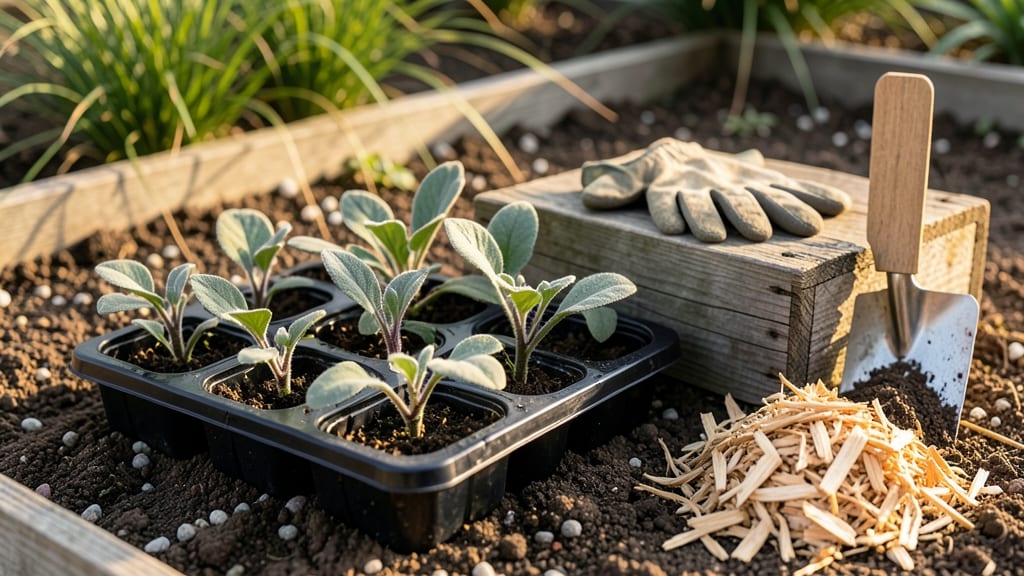
Timing your eggplant planting in California isn’t just about the calendar—it’s about avoiding stunted growth or bitter fruit by nailing the heat zones. With 9a-11 frost-free regions, coastal gardeners can start as early as March, while inland areas wait until April or May to let soil warm to 70°F+.
Skip this step, and you’ll end up with plants that bolt before harvest or struggle in cooler coastal soils.
But here’s the good news: California’s long growing season means you can actually plant eggplant twice a year—once in spring and again in late summer for a fall harvest. The key is knowing your microclimate.
Coastal zones like San Diego can enjoy eggplant from March to October, while inland areas like Sacramento have a tighter window from April to September. Let’s break down the exact timing for your region.
You don’t need a degree in horticulture to succeed—just a few simple rules. Start seeds indoors 8-10 weeks before your last frost date, or buy sturdy seedlings to transplant once nighttime temps stay above 55°F.
Row covers can give coastal gardeners an extra 2-3 weeks of growing time, while inland areas should focus on heat-tolerant varieties like ‘Black Beauty’ or ‘Ichiban.’
Ready to grow eggplant that thrives, not just survives? I’ll walk you through the exact planting calendar, soil prep secrets, and how to extend your harvest—no guesswork, just results. Let’s get those 🍆 plants in the ground the right way.
California eggplant planting calendar by heat zone (avoid frost & bolting)
California’s 9-11 USDA hardiness zones create wildly different eggplant planting windows—what works in San Diego’s Zone 11 will fail in San Francisco’s Zone 10. The key? Planting when soil temperatures hit 70°F+ and frost risk disappears completely.
Coastal areas like Santa Barbara can start as early as March 15, while inland valleys like Central Valley wait until April 15.
Eggplants are heat-loving annuals that bolt (flower prematurely) if exposed to chilly nights below 55°F. In Northern California (Zones 9-10), your window is tight—just 4-5 months frost-free—so timing is everything.
Meanwhile, Southern California gardeners (Zones 10-11) enjoy a 6-7 month growing season, allowing for spring and fall plantings.
Here’s your heat-zone planting calendar, tailored to California’s frost-free regions. Use these dates as your transplant deadline after hardening off seedlings or direct-sowing in warmer zones.
🌱 California Eggplant Planting Calendar by Heat Zone
| Zone | Last Frost Date | Optimal Planting Window | Soil Temp Requirement | Harvest Window |
|---|---|---|---|---|
| 9a (e.g., San Francisco) | February 15 | March 15 – April 30 | 70°F+ (use row covers) | July – October |
| 9b (e.g., Sacramento) | January 31 | April 1 – May 15 | 70°F+ | June – September |
| 10a (e.g., Los Angeles) | December 15 | March 1 – June 15 | 65°F+ (cooler coastal) | May – November |
| 10b (e.g., San Diego) | November 1 | February 1 – July 1 | 60°F+ (year-round possible) | April – December |
| 11 (e.g., Palm Springs) | None (tropical) | Year-round (avoid summer heat) | 65°F+ (fall/winter) | Spring & Fall |
🌡️ Pro Tip: Use a soil thermometer to confirm 70°F+ before planting—cold soil = stunted growth.
For coastal gardeners (Zones 9-10), I recommend starting seeds indoors 8-10 weeks before your last frost date. Use grow lights to mimic 14-hour daylight—eggplants need long days to thrive. Harden off seedlings for 7-10 days before transplanting to avoid shock.
In hot inland zones (Zones 10b-11), you can direct-sow seeds as early as February in protected microclimates. Choose heat-tolerant varieties like ‘Black Beauty’ or ‘Ichiban’, which handle 90°F+ temps without bolting. Just beware of powdery mildew—space plants 18-24 inches apart for airflow.
Missed the spring window? No problem! Southern California gardeners can plant a second crop in late summer (August-September) for a fall harvest. Use shade cloth to protect seedlings from intense afternoon sun during these hot starts.
🌱 Key Takeaway: Your eggplant’s success depends on soil warmth, not just air temperature. Test your soil—if it’s below 65°F, wait or use black plastic mulch to warm it faster.
5 Critical factors that determine eggplant planting success in California
Eggplant thrives in heat and sunshine, but California’s microclimates create unique challenges. The 5 key factors below will make or break your harvest—ignore them, and you’ll end up with bitter fruit or plants that bolt before producing.
Let’s tackle them one by one so you can grow eggplant like a pro.
First up: soil temperature. Eggplant roots need soil that’s at least 70°F to grow properly. Coastal areas like San Francisco might wait until late April or May, while inland Sacramento can start in early April.
Use a soil thermometer to check—if it’s below 65°F, wait a week or two. Cold soil slows germination and weakens seedlings.
Next, sunlight exposure is non-negotiable. Eggplant demands 6-8+ hours of full sun daily. In shady spots, plants grow leggy and produce fewer fruits.
If your garden is partially shaded (like under fruit trees), choose compact varieties like ‘Fairy Tale’ or ‘Patio Baby’—they tolerate slightly less sun but still need at least 5 hours.
Watering frequency is another common pitfall. Eggplant needs consistent moisture, especially during flowering and fruiting, but overwatering causes rot. Water deeply every 2-3 days in summer, aiming for 1-2 gallons per plant. Morning watering is best—it reduces fungal diseases like powdery mildew, which thrives in damp leaves. Mulch around plants to retain moisture and keep roots cool.
Don’t overlook fertilizer timing. Eggplant is a heavy feeder, but too much nitrogen early on leads to leafy growth at the expense of fruit. Start with a balanced 10-10-10 fertilizer when seedlings are 4-6 inches tall, then switch to a low-nitrogen, high-phosphorus blend (like 5-10-10) when flowers appear.
Feed every 4-6 weeks during the growing season, but stop 4-6 weeks before harvest to avoid bitter flavors.
Lastly, pest and disease prevention is critical in California’s humid summers. Use row covers for early transplants to deter flea beetles, and rotate crops yearly to prevent soil-borne diseases. If you spot aphids or whiteflies, blast them off with water or use neem oil.
Healthy plants resist pests better, so prioritize well-draining soil and avoid overhead watering to keep foliage dry.
Master these 5 factors, and you’ll enjoy a bountiful eggplant harvest from spring to fall—no matter where you garden in California. Pro tip: Keep a planting journal to track what works best in your microclimate.
Next up, I’ll show you how to extend your harvest season even further with simple techniques like succession planting and heat-tolerant varieties.
🌱 Eggplant Success Factors in California
| Factor | California-Specific Tip |
|---|---|
| Soil Temperature | Wait until soil hits 70°F+ (coastal: May; inland: April) |
| Sunlight | 6-8+ hours daily; use compact varieties for partial shade |
| Watering | Deep soak every 2-3 days; morning watering only |
| Fertilizer | Start with 10-10-10, switch to 5-10-10 when flowering |
| Pest Control | Use row covers early; rotate crops yearly |