
Plants
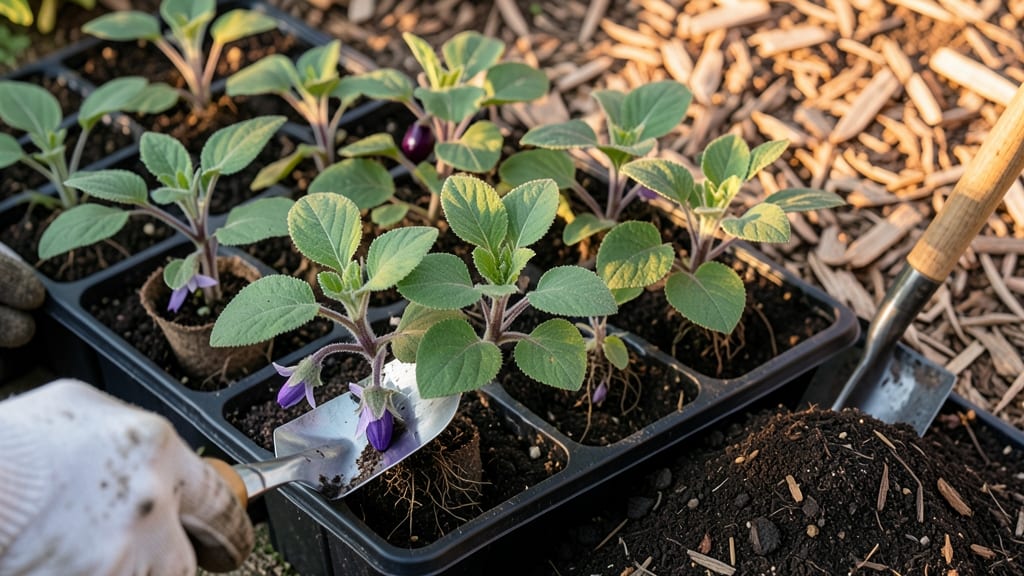
Timing your eggplant 🍆 planting in Florida isn't just about the calendar—it's about beating the heat and avoiding pests that thrive in the wrong season. Plant too early, and you'll battle stunted growth or even total crop failure from Florida's unpredictable weather shifts.
Most gardeners swear by spring planting between March and May when soil temperatures hit that sweet spot of 70°F, but Florida's long growing season also allows for a second chance in late summer (August-September).
The key? Understanding your region's microclimate—whether you're in North Florida's cooler zones or South Florida's steamy heat.
I've grown eggplants in Florida for years, and the difference between a bountiful harvest and a disappointing one often comes down to these exact planting windows.
Let me show you how to align your schedule with Florida's unique climate to grow eggplants that are disease-resistant, heat-tolerant, and ready to harvest when you need them.
From choosing the right varieties to adjusting for urban heat islands, we'll cover everything you need to know to make your eggplant season a success—no matter where you are in the Sunshine State.
Best eggplant planting months in Florida by region (north vs south)
Florida’s climate varies dramatically from north to south, so your eggplant planting schedule should match your USDA zone. North Florida (zones 8a-9a) faces cooler winters and earlier frosts, while Central and South Florida (zones 9b-11) enjoy year-round warmth.
Planting at the wrong time can lead to slow growth, pest infestations, or even crop failure.
Eggplants are heat-loving plants that thrive in temperatures between 70°F and 90°F. In Florida, this means focusing on spring and fall plantings to avoid the brutal summer heat or winter chills.
For North Florida, aim for March to May and August to September, while South Florida gardeners can extend their season slightly earlier or later.
Here’s how to align your planting with Florida’s two distinct climates for a bountiful harvest:
| Region | USDA Zone | Best Planting Window | Soil Temperature | Heat-Resistant Varieties |
|---|---|---|---|---|
| North Florida | 8a-9a | March 15 - May 15 (spring) August 15 - September 30 (fall) |
65°F+ (minimum) 70°F+ (ideal) |
'Black Beauty', 'Ichiban', 'Rosa Bianca' |
| Central Florida | 9b-10a | February 15 - April 30 (spring) July 15 - September 15 (fall) |
68°F+ (minimum) 72°F+ (ideal) |
'Hanako', 'Ping Tung Long', 'Fairy Tale' |
| South Florida | 10b-11 | January 15 - March 31 (spring) June 15 - October 15 (fall) |
70°F+ (minimum) 75°F+ (ideal) |
'Black Magic', 'Rosa Bianca', 'Ichiban' |
For North Florida gardeners, March and August are your sweet spots. The soil should be at least 65°F before planting, and you’ll want to avoid transplanting when nighttime temperatures dip below 55°F.
In South Florida, you can start as early as January or push into October, but watch for humidity spikes that encourage fungal diseases like powdery mildew.
One critical tip: Direct sowing is risky in Florida’s heat. Instead, start seeds indoors 8-10 weeks before your target planting date. Use biodegradable pots to avoid root disturbance when transplanting. Harden off seedlings by exposing them to afternoon sun for 1-2 weeks before moving them outdoors.
If you’re in Central Florida, aim for February or July plantings. The key is to beat the summer heat, which can cause flower drop and poor fruit set. Use shade cloth (30-50%) during peak afternoon heat to protect young plants while they establish roots.
For all regions, avoid planting in June or July unless you’re using heat-tolerant varieties like 'Black Magic' or 'Rosa Bianca'. The combination of high humidity and 90°F+ temperatures creates ideal conditions for aphids, spider mites, and whiteflies.
Monitor plants closely and use neem oil as a preventive spray.
Pro tip: Mulch heavily with straw or pine needles to retain soil moisture and regulate temperature. This is especially important in South Florida’s dry season (December-April) when afternoon rains can’t keep up with evaporation rates.
Finally, remember that Florida’s microclimates can vary even within a city. Urban areas may experience heat islands with higher temperatures, while rural zones might have cooler nights. Adjust your planting timeline based on your specific location’s frost dates and local weather patterns.
Best eggplant planting months in Florida by region (north vs south)
Florida’s climate isn’t one-size-fits-all, and eggplant planting dates vary dramatically between North Florida’s cooler winters and South Florida’s tropical heat. In North Florida (USDA zones 8a-9a), your last frost typically falls around January 31, while South Florida (zones 10a-11) rarely sees frost at all.
This means your planting windows must account for these differences—or risk stunted plants or pest infestations.
For North Florida gardeners, the safest window is March 15 to April 30, when soil temperatures consistently stay above 70°F.
In Central and South Florida, you can push planting back to April 15 to June 1 or even August 1 to September 15 for a fall harvest. The key is avoiding Florida’s summer heat spikes above 95°F, which stress eggplants and attract pests like flea beetles.
Here’s how the ideal planting windows break down by region, including the best varieties for each zone:
| Region | Best Planting Window | Soil Temp Requirement | Heat-Resistant Varieties | Harvest Window |
|---|---|---|---|---|
| North Florida (Zones 8a-9a) | March 15–April 30 | 70°F+ | Black Beauty, Ichiban | June–August |
| Central Florida (Zone 9b) | April 15–June 1 or August 1–September 15 | 75°F+ | Rosa Bianca, Fairy Tale | July–September or October–December |
| South Florida (Zones 10a-11) | April 1–June 15 or August 15–October 1 | 80°F+ | Ichiban, Black Beauty, Rosa Bianca | June–August or September–November |
If you’re in North Florida, aim for transplanting seedlings after April 1 to avoid early-season pests like flea beetles. In South Florida, you can start seeds as early as March but must provide shade cloth (30-50%) during the hottest afternoons to prevent bolting.
I’ve found that Fairy Tale eggplants thrive in South Florida’s heat, while Ichiban handles both regions well.
Pro tip: Use a soil thermometer to confirm temperatures before planting. Eggplant seeds won’t germinate well below 70°F, and seedlings can suffer heat stress above 90°F. Mulching with straw or black plastic helps regulate soil temps and retain moisture, which is critical in Florida’s unpredictable weather.
For urban gardeners in cities like Miami or Orlando, microclimates can push planting dates even later. If your neighborhood is 5–10°F warmer than rural areas, wait until May 1 for spring planting or September 15 for fall.
Always monitor local weather patterns—Florida’s unpredictable rain and humidity can shift your ideal timeline by weeks.