
Trees
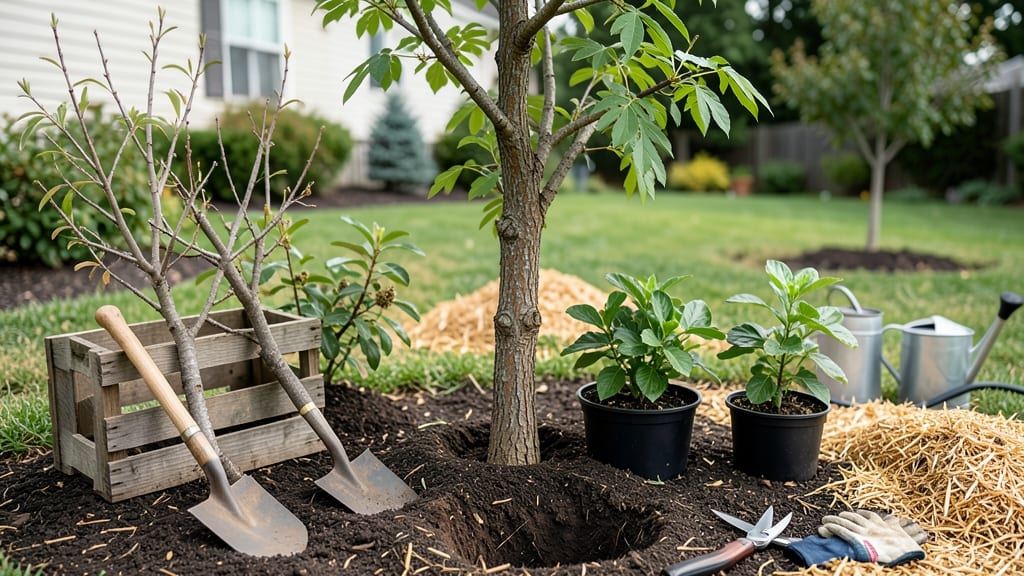
Planting your 🍎 fruit trees at the wrong time in North Texas could mean the difference between a thriving orchard and struggling saplings. The perfect window—late winter to early spring—gives roots time to establish before summer’s brutal heat, while avoiding frost damage that can set back growth for years.
In zones 7b-8a, where temperatures swing wildly, timing matters even more. Too early, and a late frost could wipe out tender new roots. Too late, and your trees might struggle to adapt before the heat peaks.
I’ll break down exactly when to plant each variety—from peaches that love the spring warmth to citrus that needs a head start—plus how to prep your soil for maximum success.
Whether you’re planting bare-root saplings or container-grown trees, the key is getting them in the ground when the soil is workable but the air stays cool.
We’ll cover the best months for your specific location, how to tell if your site is ready, and even how to protect young trees from unexpected cold snaps. Let’s get those roots growing strong!
Ready to turn your North Texas yard into a fruit-bearing paradise? Discover the exact planting schedule, soil secrets, and variety recommendations that will set your trees up for decades of harvests—no guesswork required.
Best planting months for fruit trees in North Texas by hardiness zone
North Texas spans USDA hardiness zones 7b to 8b, creating a unique challenge for fruit tree growers. The last average frost date typically falls around February 15, while the first frost arrives in mid-November.
This means your planting window is tight—just 9 months frost-free—but choosing the right timing maximizes root growth before summer heat arrives.
For most fruit trees, late February through early April is ideal. This gives roots 6-8 weeks to establish before temperatures consistently exceed 90°F. However, citrus and figs (zones 8a-8b) can handle slightly later plantings in March or even April, thanks to their heat tolerance.
Here’s the breakdown by zone and tree type to avoid frost damage or heat stress:
| Fruit Tree Type | Best Planting Month | Why This Timing | Soil Prep Tip |
|---|---|---|---|
| Peaches & Plums (Zones 7b-8a) | Late February–March | Balances frost risk with root establishment before April heat. | Amend clay soil with compost + gypsum to improve drainage. |
| Apples & Pears (Zones 7b-8a) | February–early March | Needs cool roots; planting too late stresses young trees. | Test soil pH (6.0–7.0) and add lime if needed. |
| Figs & Citrus (Zones 8a-8b) | March–April | Heat-tolerant but benefits from established roots before summer. | Use well-draining soil (mix sand for container plantings). |
| Persimmons (Zones 7b-8a) | Late March–April | Avoids late frosts while allowing root growth before drought. | Mulch heavily (3–4 inches) to retain moisture. |
| Pecan Trees (Zones 7b-8b) | February–March | Slow growers; early planting gives years of root development. | Plant in full sun with deep, loose soil. |
Pro tip: If you’re in Dallas (Zone 8a), you can push figs and citrus to April planting, but avoid summer heat stress by watering deeply 2–3 times per week until roots establish.
For West Texas (Zone 7b), stick to February–March to prevent early-spring frosts from damaging tender new growth.
Soil temperature is just as critical as air temperature. Aim for soil temps above 50°F (use a soil thermometer) before planting. Cool soil slows root growth, while soil above 85°F can cause root burn.
In North Texas, this typically aligns with mid-March, but monitor local conditions—especially in urban areas where pavement raises soil temps.
For bare-root trees (sold dormant), plant as soon as roots are visible—usually in late winter. Container-grown trees can wait until March or April since their roots are already active. Just remove the container and loosen roots before planting to prevent girdling.
One common mistake? Planting in May or June to avoid frost. But summer heat in North Texas can double transplant shock risk. Young trees struggle to establish roots when soil temps exceed 90°F, leading to wilting, leaf scorch, and even death within weeks.
If you miss the spring window, wait until fall (October)—but prioritize watering every 3–4 days to help roots recover.
🌱
Best planting months for fruit trees in North Texas by hardiness zone
North Texas spans USDA zones 7b-8a, where the difference between a 10°F late frost and a 100°F summer can mean life or death for young fruit trees.
The ideal planting window—late February through early April—balances soil warmth, moisture, and frost risk. This timing lets roots establish before summer’s heat stress peaks in June.
For bare-root trees, plant as soon as soil is workable (around 50°F) but before buds swell. Container-grown trees can handle slightly later planting (up to May), but avoid summer heat, which causes transplant shock.
Citrus and figs, sensitive to cold, need an earlier start (February), while peaches and plums thrive when planted in March.
Here’s how to match your variety to North Texas’s microclimates. Dallas and Fort Worth (zone 8a) have slightly longer growing seasons than West Texas (zone 7b), so adjust planting dates accordingly. Always check your last frost date—typically February 15—and plant 6-8 weeks before to avoid frost damage.
If you miss the primary window, late summer (August-September) is a second chance for container-grown trees, but expect slower root growth. Always water deeply after planting to encourage root spread, and mulch with 3-4 inches of organic matter to retain moisture.
In West Texas (zone 7b), push planting to March-April to avoid late frosts.
Pro tip: Use a frost cloth for the first 2 weeks after planting if nighttime temps dip below 32°F. This simple step can save your sapling from root damage or worse.
For urban gardeners, microclimates near buildings or pavement may extend the growing season by 1-2 weeks, so observe your yard’s unique conditions.
Remember, root establishment is the goal—trees planted in ideal months grow 30% faster in their first year. With the right timing and soil prep, your North Texas fruit trees will reward you with decades of harvests. 🌱