
Plants
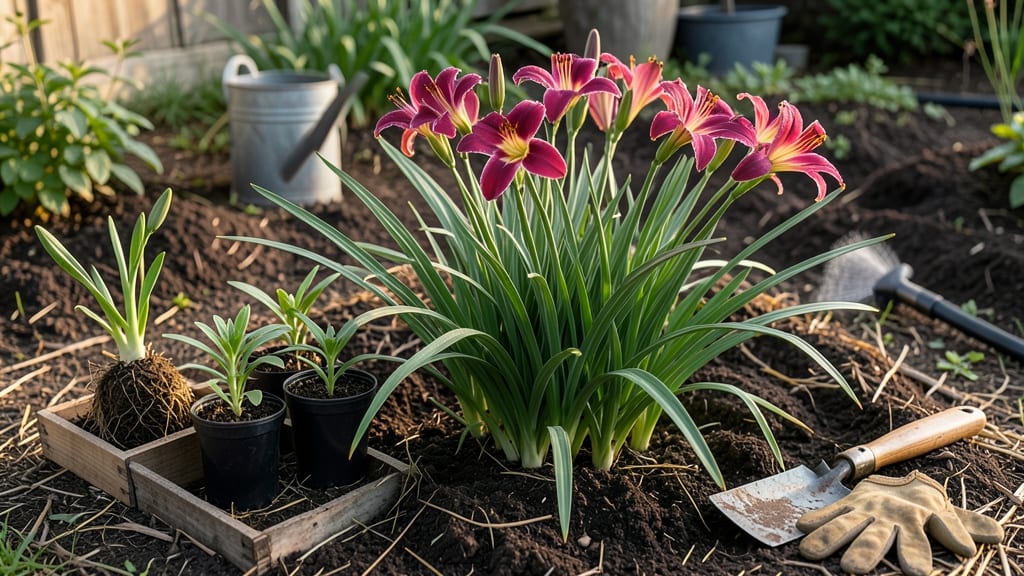
Planting daylilies in Texas isn’t just about sticking them in the ground—it’s about timing them perfectly to survive the brutal summers and unpredictable frosts. If you miss the ideal window, your 🌸 might struggle to establish roots before the heat peaks or freeze before blooming.
Texas gardeners know the stakes: plant too early in spring, and frost can still nip young shoots. Wait too late, and the summer sun will stress your daylilies before they’ve had a chance to thrive.
The secret lies in understanding your USDA zone—whether you’re in the cooler North Texas hills or the sweltering Houston heat.
In this guide, I’ll break down the exact months to plant for zero-frost survival, drought-resistant growth, and maximum blooms. Whether you’re prepping containers or garden beds, you’ll learn how to give your daylilies the best shot at flourishing—no matter where you are in the Lone Star State.
Ready to set your daylilies up for success? Let’s dive into the science-backed timing that’ll keep them blooming year after year.
Best months to plant daylilies in Texas for drought survival
Texas’s USDA zones 8a–10b create a unique challenge for daylily gardeners. Unlike northern climates, Texas’s long, brutal summers and variable frost dates demand precise timing. Plant too early in North Texas, and a late frost could kill tender roots.
Plant too late in South Texas, and your daylilies may struggle to establish before the heat peaks. The key? Fall or early spring planting for zero-frost survival.
Daylilies thrive when planted after soil temperatures drop below 85°F but before winter dormancy sets in. In North Texas (zones 8a–8b), aim for September–November or February–March.
In South Texas (zones 9a–10b), stretch your window to August–October or January–February. These windows ensure roots establish before summer’s 100°F+ heat or winter’s freezing nights.
Here’s the golden rule: Plant when soil temps are 60–70°F and nighttime lows stay above 45°F. Use a soil thermometer to confirm—daylilies hate soggy, cold soil. In Austin (zone 8a), this means late September to early November or mid-February to early March.
In Houston (zone 9a), you can plant as late as early October or as early as January.
For container planting, adjust slightly: Containers heat up faster, so plant 2–4 weeks earlier than in-ground. Use well-draining pots with cactus/succulent mix to mimic Texas’s dry conditions. Place containers in partial shade during peak summer to prevent root stress.
Pro tip: Mulch immediately after planting with 2–3 inches of straw or pine bark. This retains moisture, regulates soil temps, and suppresses weeds—critical in Texas’s drought-prone summers. Skip synthetic mulches; they trap too much heat.
Now, let’s break down the exact planting windows by Texas region, including soil prep and drought survival tips.
| Region | USDA Zone | Best Planting Months | Soil Temp Goal (°F) | Drought Tip |
|---|---|---|---|---|
| North Texas (Dallas, Fort Worth) | 8a–8b | Sep–Nov, Feb–Mar | 60–70°F | Use mulch rings to lock in moisture. |
| Central Texas (Austin, San Antonio) | 8a–9a | Late Aug–Oct, Jan–Feb | 65–75°F | Avoid overwatering—daylilies rot easily. |
| South Texas (Houston, Corpus Christi) | 9a–10b | Aug–Oct, Jan | 70–80°F | Plant near patios for shade in summer. |
| West Texas (El Paso, Lubbock) | 7b–8a | Sep–Oct, Mar | 55–65°F | Use gravel mulch to prevent soil crusting. |
Timing isn’t just about months—it’s about soil conditions. Test your soil’s drainage before planting. Daylilies hate soggy roots, so amend heavy clay with compost or sand to a depth of 12 inches. In sandy soils (common in West Texas), mix in peat moss to retain moisture.
For urban gardeners with limited space, container daylilies are a game-changer. Use fabric pots to prevent root circling and top-dress with slow-release fertilizer every 3 months. Place containers on drip irrigation to automate watering—critical if you’re away during 100°F heatwaves.
Remember: Daylilies
Best months to plant daylilies in Texas for drought survival
Texas spans USDA zones 8a–10b, meaning your frost-free window varies wildly—from 120 days in North Texas to 300+ days in South Texas. This variance changes everything about when to plant daylilies.
In North Texas (zones 8a–8b), like Dallas or Fort Worth, aim for late February to early April to avoid late frosts. Meanwhile, in South Texas (zones 9a–10b), like Houston or San Antonio, September through November is ideal to beat summer’s brutal heat.
Why the difference? Daylilies need 60–90 days of warm soil to establish roots before summer’s peak. Planting too early in South Texas risks heat stress, while planting too late in North Texas means frost can still damage tender shoots.
The key is aligning your planting with soil temperatures above 60°F—a threshold daylilies crave for root growth.
🌱 Texas Daylily Planting Timeline by Region
| Region | USDA Zone | Best Planting Window | Soil Temp Goal | Key Risk |
|---|---|---|---|---|
| North Texas (Dallas, Fort Worth) | 8a–8b | Late Feb–Early April | 60°F+ | Late frost damage |
| Central Texas (Austin, San Marcos) | 8b–9a | March–April or Sept–Oct | 60°F+ | Summer heat stress |
| South Texas (Houston, Corpus Christi) | 9a–10b | September–November | 70°F+ | None (year-round possible) |
For container planting, adjust timing slightly—containers heat up faster, so plant 2–3 weeks earlier in spring or 2 weeks later in fall. Use black or dark-colored pots to absorb heat, but monitor soil moisture daily.
In North Texas, I’ve seen containers dry out 3x faster than in-ground beds during April’s heat spikes.
Pro tip: Check your local frost-free date (average March 15 in Dallas vs. February 1 in Houston) and count back 60 days for your ideal planting window. This ensures roots establish before summer’s 100°F+ temperatures hit.
For example, if your last frost is March 1, aim to plant by January 1—but only if soil temps stay above 50°F.
Once planted, daylilies reward patience with longer bloom seasons—up to 6 weeks of flowers if timed right. In South Texas, I’ve seen ‘Stella de Oro’ bloom from April through July with minimal care, thanks to perfect fall planting.
The secret? Deep watering and mulching to lock in moisture during those first critical weeks.
Ready to pick your perfect window? North Texas gardeners should mark their calendars for late February, while South Texas can plant well into November. Just remember: soil temperature > air temperature—always check with a soil thermometer before planting! 🌡️