
Plants
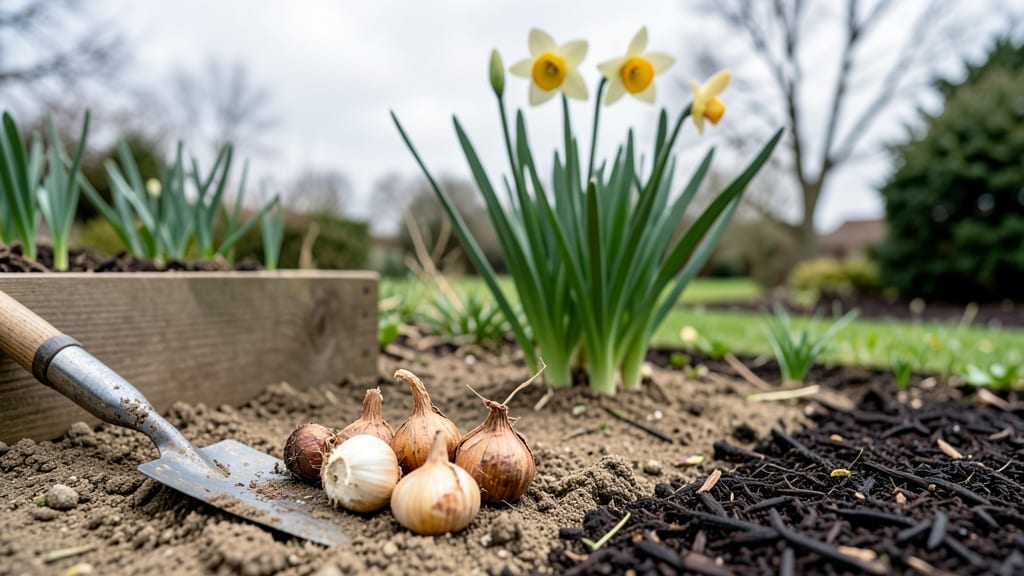
Planting your 🌼 daffodils at the wrong time in California can mean the difference between show-stopping spring blooms and a missed opportunity. Unlike other plants, these hardy flowers thrive when planted during the cooler months, but California's diverse climate zones—from coastal fog to desert heat—make timing everything.
If you're in USDA zones 9-10, you’ve got a unique advantage: longer growing seasons that let you plant twice a year.
But whether you're in coastal San Francisco or the inland deserts near Palm Springs, getting the timing right ensures your bulbs establish roots before winter sets in—or worse, rots in summer heat.
I’ll break down the best months for each region, including soil prep tips and microclimate tricks to extend your blooms. From October’s mild coastal air to January’s desert chill, we’ll cover everything you need to know to make your garden pop with color.
Ready to turn your yard into a springtime spectacle? Let’s dive into the perfect planting schedule so you can enjoy those cheerful blooms year after year.
California daffodil planting calendar by region: coastal vs. desert vs. valley timing
California’s climate varies dramatically from the cool coastal fog to the hot inland valleys and arid deserts, making planting timing critical for daffodils. The key is planting 6-8 weeks before the first frost in your area, allowing bulbs to root before winter dormancy.
For most regions, this means fall planting between October and December, but desert areas can extend into January.
Daffodils thrive in USDA Zones 9-10, but microclimates create big differences. Coastal areas like San Francisco enjoy mild winters with rare freezes, while the Central Valley and deserts (like Palm Springs) experience colder nights and earlier frosts.
Even within cities, elevation changes—like the hills of Los Angeles—can shift planting windows by weeks.
Here’s how to match your region’s frost dates and soil conditions for perfect timing:
For container planting, adjust timing by 2–4 weeks earlier in hotter areas (like the desert) to account for faster soil drying.
Coastal gardeners can push planting into early December if soil temps stay above 55°F, but avoid planting after January 15—daffodils need 6–8 weeks of cool roots before blooming.
Pro tip: Use a soil thermometer to confirm temps. Daffodils root best when soil is 50–65°F. If your region’s soil runs cooler (like the Central Valley in fall), plant earlier to avoid delays.
In Southern California’s mild winters, you can even plant in late winter (February) for spring blooms.
Always plant bulbs 3x as deep as their diameter (typically 6–8 inches deep) and space them 4–6 inches apart for optimal airflow. In heavy clay soils (common in the Central Valley), amend with compost to improve drainage and prevent rot.
Watch for local frost alerts—even coastal areas can get unexpected cold snaps. If frost is forecast within 2 weeks of planting, delay until conditions stabilize. For desert regions, mulch heavily after planting to protect bulbs from daytime heat stress.
🌼
Signs your California climate is ready for daffodil bulbs (and when to wait)
Timing your 🌼 daffodil planting isn’t just about checking a calendar—it’s about reading your local climate. In California, soil temperature and rainfall patterns are your best indicators. Daffodils need cool soil (below 60°F) to start rooting, but they’ll rot if planted in summer heat.
For coastal areas like San Francisco, watch for morning fog and consistent 60°F nights—these signal ideal planting time. Inland regions should aim for soil temps below 65°F and increased rainfall, which usually arrives in late October or November.
Here’s how to spot the perfect moment without guessing:
Pro tip: If your soil stays too warm (above 70°F), wait for cooler nights or plant in shaded areas to avoid bulb rot. Container gardeners can plant earlier since pots cool faster.
Missed the window? No problem! Daffodils are perennials, so they’ll return next year if planted correctly. Just mulch heavily in winter to protect roots from temperature swings—a trick that works wonders in California’s unpredictable climate.