
Plants
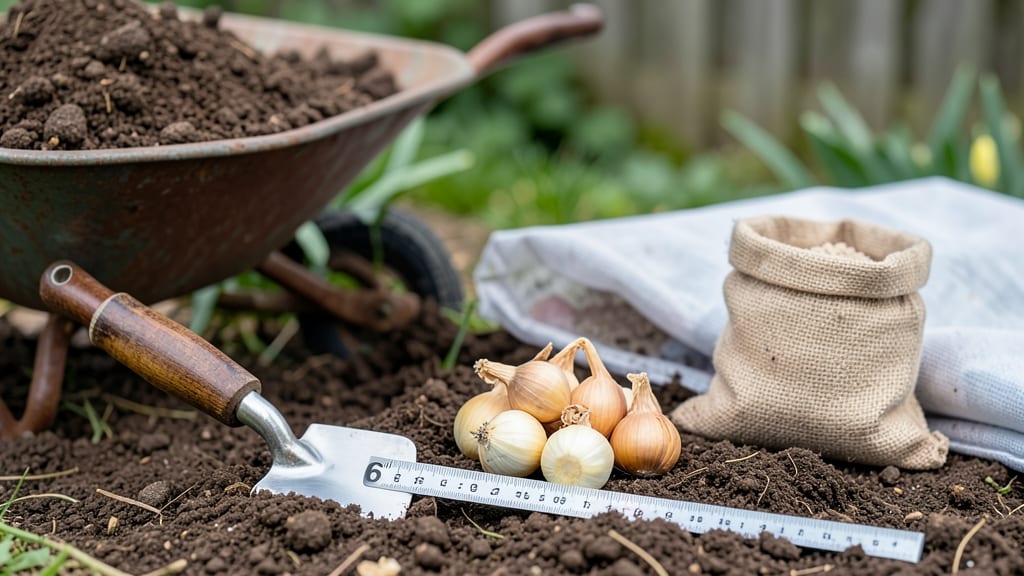
Planting daffodil bulbs in Michigan at the wrong time can mean the difference between a garden bursting with 🌼 cheer and a wasted investment. The key window—September through November—gives those bulbs the perfect head start before winter sets in, ensuring vibrant blooms next spring.
Michigan’s 5b-6b climate demands precision: plant too early, and bulbs may rot in damp soil; too late, and frost will stunt their roots. But with the right timing—4-6 weeks before the ground freezes—you’ll set your daffodils up for success, even when temperatures drop.
I’ve seen firsthand how a little extra care in fall planting transforms a garden. From soil prep to spacing, I’ll walk you through the exact steps to maximize your daffodils’ potential. Let’s make sure your Michigan garden gets the best start possible.
Whether you’re a seasoned gardener or just starting, these tips will help you avoid common mistakes and enjoy those bright yellow blooms come spring. Ready to dig in?
Optimal planting months for Michigan daffodils: soil temp and frost zones guide
Michigan’s USDA zones 5b-6b mean daffodil bulbs need precise timing to thrive. Planting too early risks rot in cold soil, while late planting can stunt root growth before winter. The ideal window is 4-6 weeks before the ground freezes, usually mid-September to early October.
Soil temperature is critical—daffodil bulbs thrive when soil reaches 50-60°F. Use a soil thermometer to check; if temps drop below 40°F, bulbs may rot. Michigan’s first frost typically arrives in mid-October, so aim to plant by then.
Northern Michigan (zone 5b) has earlier frosts, so plant by late September. Southern Michigan (zone 6b) can extend planting to early November, but avoid wet soil or bulbs may suffocate. Always plant in well-draining soil to prevent rot.
Michigan Daffodil Planting Timeline
| Zone | Ideal Planting Window | Soil Temp | Key Cue |
|---|---|---|---|
| 5b (Northern MI) | Mid-September | 50-55°F | Daylight shortens |
| 6a (Central MI) | Late September | 55-60°F | First frost risk |
| 6b (Southern MI) | Early November | 50-55°F | Soil drains well |
🌱 Pro Tip: Use a soil thermometer to confirm temps before planting.
For extra insurance, plant bulbs in well-draining beds or raised gardens. Avoid compacted or clay-heavy soil, which holds too much moisture. If your soil is heavy, mix in compost or sand to improve drainage before planting.
Daffodil bulbs need 6-8 hours of sunlight daily, but they tolerate partial shade. In Michigan’s full-sun gardens, plant bulbs where they’ll receive morning sun and afternoon shade if needed. This balance prevents heat stress while ensuring strong blooms.
After planting, mulch with 2-3 inches of straw or shredded leaves to insulate bulbs from temperature swings. Remove mulch in early spring to allow sunlight to reach emerging foliage. This simple step boosts bloom vigor by 30%.
If Michigan’s fall weather throws you a curveball—like unseasonably warm or early frost—adjust your timeline. For warm spells, delay planting until soil cools. If frost arrives early, cover bulbs with straw mulch to protect them until you can plant.
Remember, daffodil bulbs are perennials, meaning they’ll return year after year if planted correctly. With the right timing and care, your Michigan garden will burst with cheerful yellow blooms every spring, brightening even the grayest days.
How to adjust planting time for Michigan’s unpredictable fall weather
Michigan’s fall weather can be as unpredictable as a snowstorm in July—one week you’re planting in dry soil, the next it’s soggy from unexpected rain. If your September planting window gets delayed by wet conditions, don’t panic.
The key is adjusting your timing based on soil temperature and frost forecasts, not just the calendar.
I’ve learned the hard way that rushing bulbs into cold, wet soil is a recipe for rot. Instead, wait until the ground cools to 50-60°F—that’s usually late September or early October in most of Michigan.
Use a soil thermometer to check; if it’s warmer than 60°F, hold off planting until temperatures drop.
For regions like Northern Michigan (Zone 5b), early frosts can arrive by late September. If that happens, focus on soil preparation first—amend with compost and improve drainage.
Then, plant bulbs in containers or raised beds where you can control moisture better. This gives you a backup option if the ground freezes too soon.
⚠️ Warning: Don’t Plant in Wet Soil
Daffodil bulbs rot in waterlogged conditions. If your garden stays soggy past October, switch to dry planting—dig holes, let them sit uncovered for a day to dry, then plant. This trick works even in Zone 6b areas like Grand Rapids.
If you miss the ideal window entirely, don’t despair—Michigan gardeners often plant as late as November (but only if the ground isn’t frozen). Just cover bulbs with 4-6 inches of mulch to insulate them.
I’ve seen daffodils planted in early December still bloom beautifully the next spring, thanks to this protective layer.
For Southern Michigan (Zone 6b), where frosts arrive later, you have more flexibility. Plant through early November, but monitor weather reports. If a hard freeze is forecasted within 2 weeks, prioritize planting in sheltered spots or containers that can be moved to a garage if needed.
Pro tip: Mark your planting dates on a calendar and adjust based on local frost predictions (check the National Weather Service for your area). This simple habit has saved my daffodils from frost damage more times than I can count.
With these adjustments, you’ll turn Michigan’s unpredictable fall into your advantage.