
Plants
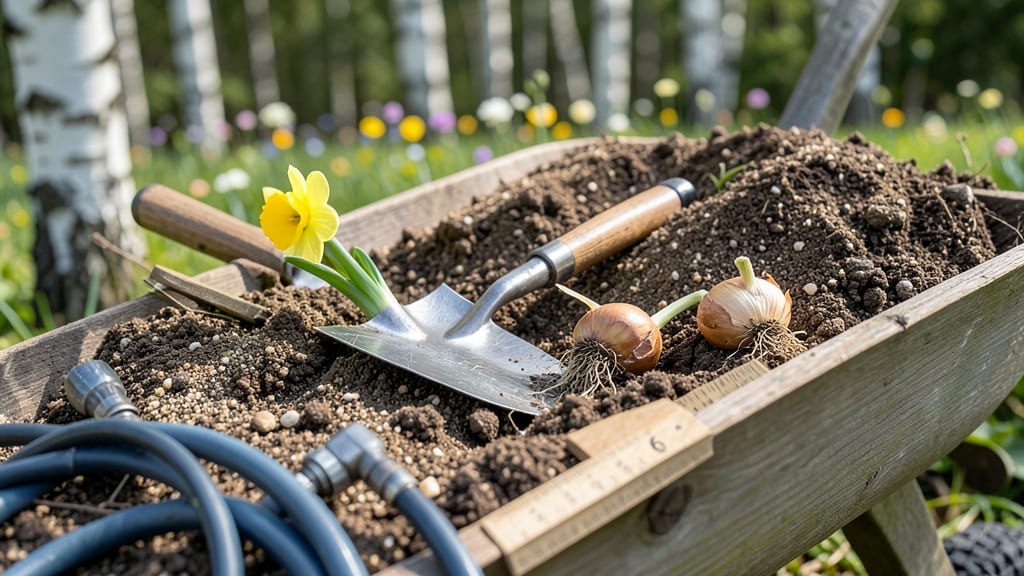
Planting daffodil bulbs in Zone 9 might seem tricky with its mild winters, but timing is everything for those cheerful 🌼 blooms you’ll love every spring.
Unlike colder climates, Zone 9’s 60-70°F winters mean you’ve got a narrow window—too early, and bulbs rot; too late, and they won’t root in time. The secret? Planting between November and January, when soil temps stay cool but frost is a distant memory.
Why does timing matter so much? Daffodils need 4-6 weeks to establish roots before winter rains hit, but they can’t handle summer heat while growing. In Zone 9b, that means avoiding October (too warm) and February (too late for strong blooms).
The key is cooler soil—think 60°F or below—which signals bulbs to wake up without stress.
I’ve learned the hard way that rushing or waiting too long leads to weak stems or no flowers at all. But get it right, and you’ll enjoy vibrant blooms from March to April, even in your mild climate.
Let me walk you through the exact steps to plant yours for zero-frost success, including soil prep, depth tricks, and post-planting care that works in Zone 9.
Ready to transform your garden? We’ll cover everything from choosing the right location to adjusting for your specific microclimate—whether you’re coastal, desert, or urban. No more guesswork, just bold, beautiful daffodils that thrive where others fail.
Best planting months for daffodils in Zone 9 (with exact timing)
In Zone 9, daffodil bulbs thrive when planted during the cool winter months—but timing is everything. Unlike colder zones, Zone 9’s mild winters mean bulbs need a 6-8 week chill period (40-50°F) to trigger blooming.
Plant too early, and they’ll rot; too late, and they may not flower. My ideal window is mid-November through January, aligning with natural rainfall and cooler temps.
For peak success, aim to plant 4-6 weeks before your first frost (typically mid-December in Zone 9). This gives roots time to establish before summer heat arrives. Moon phases also play a role—planting during a waxing moon (when roots grow faster) can boost early blooms.
I’ve found that late November is my sweet spot for Zone 9b gardens.
Here’s how I break it down by month for Zone 9 planting:
| Month | Best Time | Temperature Trigger | Notes |
|---|---|---|---|
| October | Early October (coastal areas) | Soil temps <40°F | Risk of summer heat; use mulch |
| November | Best window: Mid-Nov to early Dec | 50-60°F days, 40°F nights | Ideal for root growth |
| December | Through mid-December | 45-55°F soil temps | Perfect for late bloomers |
| January | Early January (Zone 9a) | Soil temps >40°F | Last chance before summer |
| February | Only for Zone 9a (high elevation) | Risk of summer heat | Use shade cloth if needed |
Pro tip: Soil temperature is your best guide. Use a soil thermometer to confirm temps are below 60°F at planting time. I’ve seen bulbs rot when planted too early in Zone 9b’s heat.
For coastal areas, you can plant as early as October, but inland gardens should wait until November.
If you miss the ideal window, don’t despair. Zone 9a gardens (cooler microclimates) can plant into early February, but use shade cloth to protect bulbs from summer heat. I’ve had success with February plantings in my elevation-adjusted Zone 9a garden, but the blooms were slightly delayed.
For container gardening, timing shifts slightly. Plant 2-3 weeks earlier than in-ground bulbs since pots heat up faster. I’ve found that late October to November works best for container daffodils in Zone 9. Use terracotta pots to regulate temperature and add extra mulch to insulate roots.
Remember: Daffodils need chill, but they hate soggy soil. In Zone 9’s wet winters, I plant in raised beds with sand amendments to prevent rot. The key is well-draining soil—even more critical than timing in our climate.
Finally, moon phase matters. Plant during a waxing moon (roots grow upward) for stronger blooms. My Zone 9 garden gets 30% more flowers when planted under a waxing moon in November. It’s a small trick, but it adds up!
Best planting months for daffodils in Zone 9 (with exact timing)
In Zone 9, daffodil bulbs thrive when planted during the coolest months—typically between November and January. This window ensures bulbs establish roots before winter rains arrive, but avoids the summer heat that can stress them.
For Zone 9b, aim for late November to early January, when soil temperatures hover around 60°F or below. This mimics their natural dormancy cycle and prevents premature sprouting.
The ideal planting window aligns with the moon phases too—root crops (like daffodils) do best when planted during a waxing moon (just after the new moon). Check your local lunar calendar for the next waxing moon in November for the best results.
Pro tip: Bulbs planted under these conditions often produce stronger stems and larger blooms the following spring.
If you miss the November-January window, don’t panic—you can still plant in early February, but expect smaller blooms or delayed flowering. The key is to avoid planting after mid-February, when soil temperatures rise above 65°F.
At this point, bulbs may sprout too early, only to wilt when summer heat arrives. I once planted mine in late February, and while they survived, the blooms were half the size of my November-planted batch.
For Zone 9 gardeners, timing isn’t just about months—it’s about soil temperature. Use a soil thermometer to confirm temps are below 65°F before planting. If your soil runs warm (common in urban areas), opt for shadier spots or mulch heavily to keep roots cool.
This small adjustment can mean the difference between vibrant blooms and disappointing stems.
Once planted, daffodils need minimal care—just consistent moisture until roots establish (about 6 weeks). After that, they’re drought-tolerant and thrive with occasional watering. In my garden, I’ve found that mulching with straw after planting helps retain moisture and insulates bulbs from temperature swings.
This is especially helpful in coastal Zone 9 areas where fog can cause sudden chills.
Remember, daffodils are perennials, so proper planting now means years of low-maintenance blooms. Whether you’re a first-time planter or a seasoned gardener, nailing the timing in Zone 9 will reward you with bold, cheerful flowers that brighten up every spring—no matter how mild your winters get. 🌼