
Plants
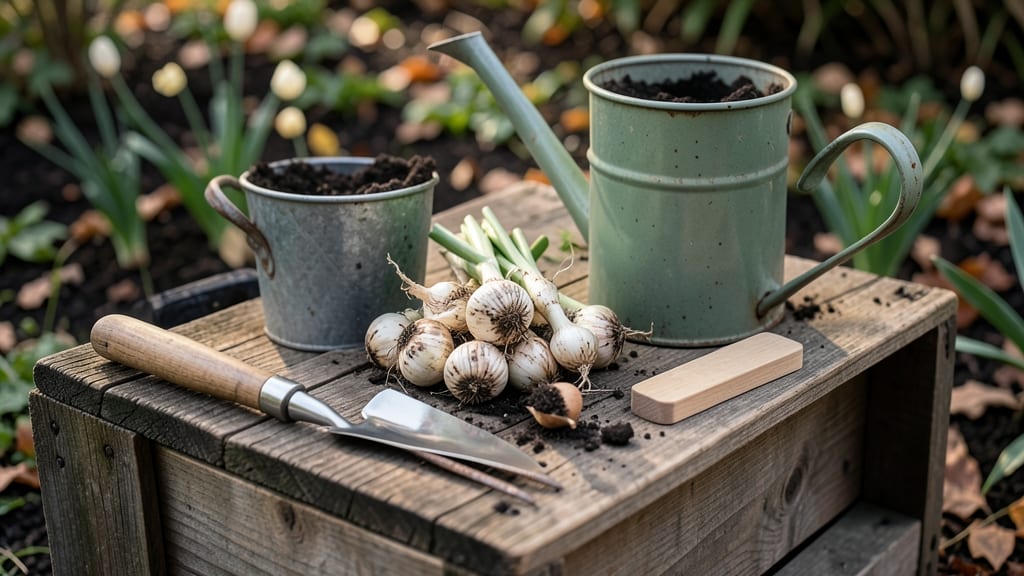
Timing your daffodil bulb planting in Southern California could mean the difference between a garden bursting with vibrant 🌼 blooms by spring and a sad, shriveled disappointment.
Unlike other regions, SoCal’s mild winters and unpredictable rainfall demand a precise approach—plant too early, and your bulbs might rot; too late, and they’ll miss their critical growth window.
Here’s the secret: the ideal window stretches from November through January, when soil temperatures dip but remain frost-free. This timing lets your daffodils establish roots before the heat of spring arrives, ensuring those cheerful blooms appear right when you need them most.
But with our unique microclimates—coastal breezes, inland valleys, and everything in between—getting it right requires a few local tweaks.
In this guide, I’ll break down exactly when to plant, how to prep your soil for SoCal’s tricky drainage, and which daffodil varieties will actually thrive in our heat.
Whether you’re a first-time gardener or a seasoned pro, these tips will help you skip the guesswork and enjoy a show-stopping spring display without the fuss.
Let’s get your daffodils in the ground at the perfect moment—so you can enjoy their beauty from March through April without lifting a finger after planting.
Southern California daffodil planting calendar: exact months & temperature triggers
Timing your daffodil bulb planting in Southern California isn’t just about picking a month—it’s about reading the soil temperature, rainfall patterns, and microclimate to create the perfect conditions for root growth before spring.
Unlike northern climates, SoCal’s Zone 9b-10a offers a longer window, but the key is planting when the ground cools enough to prevent rot while avoiding late-season rains that can suffocate bulbs.
Most gardeners in Southern California aim to plant daffodil bulbs between mid-November and January, but the exact timing depends on your specific location.
Coastal areas like San Diego may start as early as late October, while inland valleys like Palm Springs might wait until December to avoid unexpected warmth. The goal is to plant when soil temperatures drop to 60°F (15°C)—this triggers root growth without risking bulb rot.
Here’s the science-backed breakdown: daffodil bulbs need 6-8 weeks of cool soil temperatures to establish roots before active growth resumes in spring. If you plant too early (like September), the bulbs may sprout prematurely and get fried by summer heat.
Too late (after January), and they won’t have enough time to root before the ground warms again.
Southern California’s unpredictable rainfall adds another layer of complexity. Unlike the Pacific Northwest, where winter rains are reliable, SoCal’s drought-prone conditions mean you’ll often need to supplement with irrigation.
The best time to plant is during dry spells in late fall or early winter, when the ground is workable but not waterlogged.
One common mistake I see is assuming that because SoCal rarely gets frost, daffodils can be planted anytime. But even in Zone 10, a rare light frost in inland areas (like San Bernardino) can damage emerging shoots.
Always check your local frost-free dates—most coastal areas are frost-free year-round, but inland valleys can see 28°F (-2°C) dips in winter.
To simplify, use this rule of thumb: plant daffodil bulbs when your local average low temperatures consistently drop below 55°F (13°C) at night. This usually aligns with November in coastal areas and December in inland regions.
For example, in Los Angeles, mid-November is ideal, while Riverside might wait until early December.
| Stage | Action | SoCal Timing | Soil Temp |
|---|---|---|---|
| Pre-Planting Prep | Test soil drainage | October-November | 65-75°F (18-24°C) |
| Planting Window | Plant bulbs 6-8" deep | Mid-Nov to Jan | 50-60°F (10-15°C) |
| Root Establishment | Water weekly (deep soak) | December-February | 45-55°F (7-13°C) |
| Bloom Trigger | Reduce watering | February-March | 55-65°F (13-18°C) |
| Post-Bloom Care | Fertilize lightly | April-May | 60-70°F (15-21°C) |
If you’re in a coastal microclimate (like Malibu or Santa Barbara), you can push planting to late October because cooler ocean breezes keep soil temperatures lower. In contrast, inland desert areas (like Joshua Tree) should wait until December to avoid the ground warming too quickly.
Always check your local USDA Zone—even within SoCal, a 5-mile elevation change can shift planting by 2-3 weeks.
Pro tip: Use a soil thermometer to confirm temperatures. Stick it 4-6 inches deep (the depth you’ll plant bulbs) and aim for 55-60°F (13-15°C). If it’s warmer, wait a week or two.
If it’s cooler, you’re good to go! This small tool can save you from planting too early and risking rot.
For container gardening in SoCal, the rules are slightly different. Potted daffodils can be planted 2-4 weeks later than in-ground bulbs because containers warm up faster. If you’re using pots
Pre-planting soil & site prep: 5 critical checks to avoid bulb rot in Southern California’s unique climate
Southern California’s clay-heavy soils and unpredictable rainfall create the perfect storm for bulb rot if you don’t prep properly. Unlike cooler climates, our warm winters and drought risks demand special attention to drainage and soil structure. Skipping these steps means your daffodils might never even sprout—let alone bloom.
First, test your soil’s drainage rate. Dig a 6-inch hole, fill it with water, and time how long it takes to drain. If it takes more than 30 minutes, your soil is too dense.
Daffodils hate soggy roots—they’ll rot before they grow. Amend the area with coarse sand or perlite to create air pockets.
Next, focus on organic matter. Southern California soils often lack the compost daffodils crave. Mix in 3-4 inches of compost or well-rotted manure into the top 12 inches of soil. This improves both drainage and nutrient retention—critical for bulbs that need to store energy for spring blooms.
⚠️ SoCal-Specific Warning
Never plant daffodils in low-lying areas where winter rains pool. Even in frost-free SoCal, waterlogged soil will kill your bulbs before they establish. Elevate beds or plant on slopes to ensure proper drainage.
🌧️ Pro Tip: If your yard has clay soil, consider raised beds—daffodils thrive in them with zero rot risk.
Choose a sunny planting site with at least 6 hours of direct sunlight. While daffodils tolerate partial shade, full sun produces the most vibrant blooms. In coastal areas, morning sun with afternoon shade works best to prevent heat stress on emerging shoots.
Before planting, water the soil deeply 24 hours ahead of time. This helps settle the soil and creates a moisture reservoir for the bulbs. Avoid planting after heavy rains—saturated soil can cause bulbs to rot before they even sprout.
Finally, mulch lightly after planting with 2-3 inches of straw or wood chips. This conserves moisture without suffocating the bulbs, which is especially important in our drought-prone winters. Just keep mulch 2 inches away from the bulb itself to prevent rot.
With these 5 critical prep steps, your daffodils will have the perfect foundation to thrive in Southern California’s tricky climate. Next, we’ll cover the top 3 heat-tolerant varieties that actually perform well here—plus which ones to avoid at all costs.