
Plants
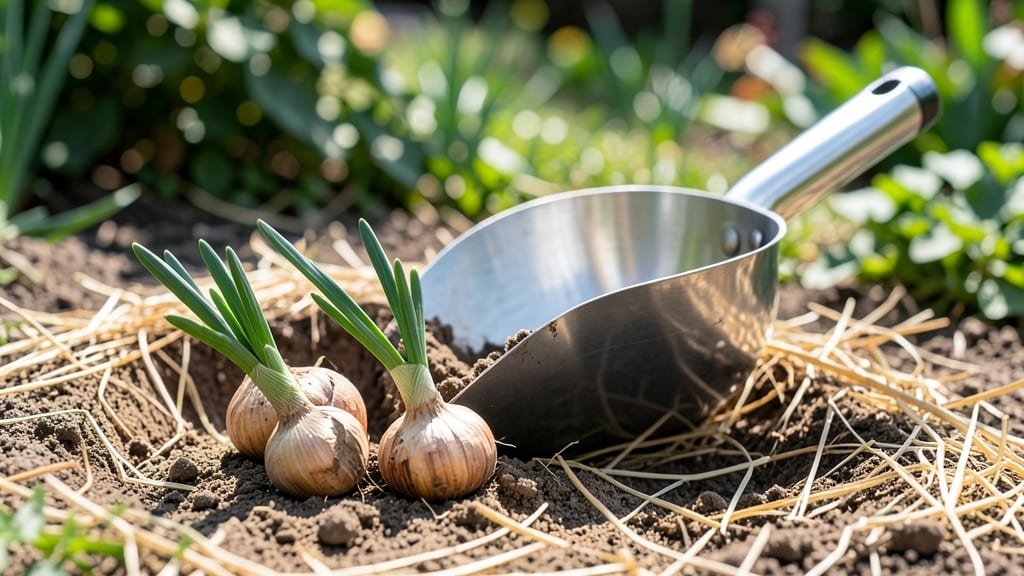
If you’ve ever planted daffodil bulbs 🌼 in California only to watch them struggle or fail to bloom, you’re not alone. The Golden State’s wild range of microclimates—from frost-prone valleys to frost-free deserts—makes timing everything.
Plant too early, and your bulbs might rot; too late, and you’ll miss the sweet spot for vibrant spring blooms.
Here’s the secret: California gardeners don’t just follow a calendar—they read their local weather like a map. In cooler zones like 7b-10b (think coastal areas or higher elevations), aim for October to December when soil temps drop below 60°F.
But in warmer inland spots? You’ve got more flexibility, with November being your golden window.
What I’m about to share isn’t just about dates—it’s about soil prep, frost risks, and regional tweaks that turn good planting into zero-frost success.
Whether you’re in the Bay Area, Central Valley, or SoCal, you’ll learn how to adjust for your microclimate and keep those 🌼 blooms popping up year after year.
Let’s cut through the guesswork and get your daffodils thriving—no matter where you garden in California.
California’s best planting zones for daffodils by microclimate
California’s diverse climate means one planting time doesn’t fit all. Whether you’re in cool Northern CA or hot Southern CA, timing your daffodil bulbs correctly ensures vibrant spring blooms. Let’s break down the ideal planting windows for each microclimate, so you can avoid frost damage or overheating.
The key is planting when soil temperatures drop to 60-65°F (15-18°C)—this triggers root growth without waking the bulbs too early. In USDA zones 7-9, aim for October through December, while zone 10-11 gardeners can plant as late as January in mild coastal areas.
Here’s how to adjust for your specific region:
| Microclimate | USDA Zone | Best Planting Window | Soil Temp Goal | Notes |
|---|---|---|---|---|
| Northern CA (Sacramento, Redding) | 7b-9a | Mid-October to early December | 60-65°F (15-18°C) | Plant 6 weeks before first frost (avg. Dec 1). Use mulch for frost pockets. |
| Central CA (San Francisco, Monterey) | 8a-9b | Late October to mid-December | 55-60°F (13-15°C) | Coastal areas can plant later. Avoid wet soils in winter. |
| Southern CA (Los Angeles, San Diego) | 10a-11 | November to January | 50-55°F (10-13°C) | Desert areas (e.g., Palm Springs) plant in January. Use shade cloth if summer heat follows. |
| High Elevation (Sierra Foothills) | 6b-7a | September to early November | 50-55°F (10-13°C) | Plant earlier to avoid early frosts. Use rock mulch for insulation. |
For elevation adjustments, subtract 1 month for every 1,000 feet above sea level. For example, if you’re at 5,000 feet in the Sierra Nevada, plant in September instead of October. This ensures bulbs establish roots before winter chill sets in.
If you’re unsure about your local frost dates, check the USDA Plant Hardiness Zone Map or use a local weather station app to track soil temperatures. Aim to plant when daytime highs are consistently below 70°F (21°C)—this signals the bulbs it’s time to root.
Pro tip: In Southern California’s desert regions, like the Coachella Valley, daffodils thrive when planted in January. The cooler winter months mimic their natural chilling requirements, while summer heat stays at bay. Just be sure to water deeply after planting to encourage root growth.
One common mistake is planting too early in warm inland valleys (e.g., Central Valley). If bulbs sprout too soon, they’ll burn back in summer heat. Wait until soil temps drop below 70°F (21°C) to avoid this.
Use a soil thermometer for accuracy—it’s a $10 tool that saves hundreds of bulbs.
For coastal gardeners, like those in San Francisco or Santa Barbara, focus on late October to December. The marine layer keeps soils cooler longer, but avoid planting after December 20—bulbs may not root before winter rains arrive.
Instead, opt for spring-blooming varieties like ‘Tête-à-Tête’ or ‘Ice Follies’, which handle coastal conditions better.
Finally, don’t forget to amend your soil before planting. California soils range from clay-heavy (Central Valley) to sandy (coastal). Mix in 2-3 inches of compost or well-rotted manure to improve drainage and fertility. This step is critical for bulb longevity—healthy soil means stronger roots and bigger blooms next spring.
California’s best planting zones for daffodils by microclimate
California’s daffodil 🌼 planting schedule isn’t one-size-fits-all—it’s a puzzle of microclimates that can shift your ideal window by weeks. In cooler northern zones (7b-9a), like the Bay Area or Sierra foothills, aim for October 15 to November 15 when soil temps hover around 55-60°F.
But in warmer inland areas (9b-10b), such as the Central Valley or SoCal, you’ve got until December 1—sometimes even January in frost-free deserts.
The key? Soil temperature, not just the calendar. Use a soil thermometer to confirm 50-60°F—daffodil bulbs need this chill to root before winter.
Coastal gardeners in Zone 7b-8a (like Santa Cruz) might plant as early as mid-September, while Zone 10b gardeners in Palm Springs can wait until November without risk.
Here’s how to adjust for your exact location—because elevation and frost pockets can change everything.
Pro tip: If you’re in a frost-prone pocket (like the Sacramento Valley or Central Coast), err on the earlier side. Bulbs planted in October have time to root before winter, while December plantings risk rotting if a freeze hits.
For SoCal deserts, you can even plant in January—just water deeply afterward to encourage root growth.
One more trick? Mulch after planting with 3-4 inches of straw or wood chips. This insulates bulbs from temperature swings and keeps moisture locked in—critical for clay-heavy soils (common in the Central Valley) or sandy soils (like those in coastal areas).
Mulch also deters voles and gophers, which love to snack on fresh bulbs.
Remember: Daffodils need chill to bloom, but they hate soggy soil. If your area gets consistent rain after planting (like Northern CA in December), amend your soil with sand or perlite to improve drainage.
In drought-prone zones (e.g., SoCal), plant bulbs in swales or berms to capture winter moisture.
Now you’re ready to pick your perfect window—no more guessing, just 🌼-filled success!