
Plants
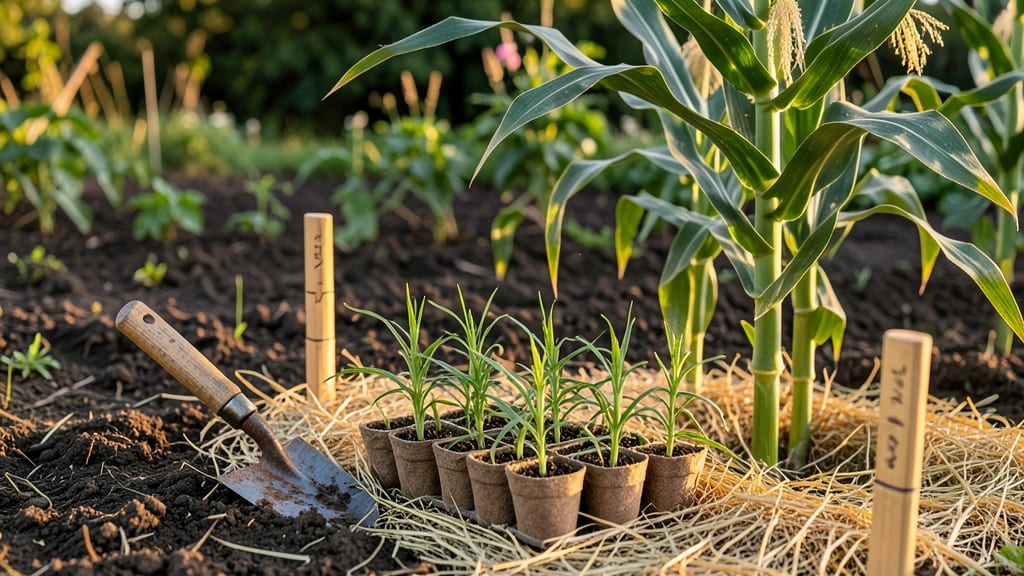
If you’ve ever planted corn in Zone 9 only to watch your stalks struggle under the relentless sun, you’re not alone—timing is everything. The key to sweet, plump ears lies in planting 🌽 corn when soil temperatures hit at least 60°F, not when your calendar says "spring."
In Southern California’s 9b climate, waiting until late February or early March gives your corn the best shot at thriving before summer’s heat peaks.
Most gardeners in Zone 9 (like Arizona or Nevada desert regions) assume planting corn in early spring is foolproof, but the reality is trickier. Without the right timing, your plants may bolt too quickly or produce tough, dry kernels instead of the tender ears you crave.
The solution? A strategic 3-step approach—choosing heat-tolerant varieties, adjusting for microclimates, and knowing when to succession plant for a second harvest.
What if you missed the ideal window? Don’t panic—this guide covers backup planting tips to salvage your crop, plus how to use mulch and shade cloth to protect your corn from bolting.
By the end, you’ll know exactly when to plant for maximum yield, whether you’re a first-time gardener or a seasoned pro.
Let’s dive into the exact months and varieties that work best in Zone 9’s extreme heat, so you can enjoy homegrown corn that rivals your favorite market find.
Best months to plant corn in Zone 9 for maximum yield
Zone 9’s warm winters and intense summers create a unique challenge for growing corn. Unlike cooler climates, you can’t rely on spring’s mild temperatures—timing is everything to avoid heat stress during germination.
The key is planting when soil temperatures hover around 60-70°F and daytime highs stay below 90°F for the first 2-3 weeks. In most of Zone 9, that means focusing on late winter to early spring, with backup windows in late summer for short-season varieties.
Southern California’s coastal areas (like Los Angeles) have milder microclimates, allowing for slightly earlier plantings, while inland desert regions (like Phoenix) need to wait until March or April to avoid extreme heat.
Always check your local last frost date—even though Zone 9 rarely sees frost, late winter cold snaps can delay germination. I’ve found that planting after February 15th gives seeds the best chance to sprout before summer’s relentless sun.
Here’s the golden rule for Zone 9 corn planting: Soil temperature >60°F and air temperature <90°F during germination. Use a soil thermometer to monitor—cold soil = poor germination, while hot soil >85°F can scorch seeds.
If your soil runs hot, try shade cloth or black plastic mulch to regulate temperatures. I’ve had the most success with early March plantings in inland areas and late February near the coast.
Zone 9 Corn Planting Schedule
| Timeframe | Soil Temp | Air Temp | Best Varieties | Notes |
|---|---|---|---|---|
| Late February | 55-65°F | 60-75°F | 'Pantry Queen', 'Silver Queen' | Coastal areas only; risk of late frost |
| March-April | 60-75°F | 70-85°F | 'Peaches and Cream', 'Golden Bantam' | Ideal window for most of Zone 9 |
| Late Summer (Aug-Sept) | 70-80°F | 85-95°F | 'Early Sunglow', 'Tuxedo' | Short-season varieties only; harvest before heat peaks |
*Use black plastic mulch to warm soil faster in desert climates. Always water deeply after planting to settle soil around seeds.
If you miss the primary planting window, don’t despair—succession planting in late summer can still yield corn, provided you choose fast-maturing varieties (60-70 days to harvest). Plant seeds in August for a fall harvest before the first hard frost (rare but possible in high deserts).
Just be prepared for intense heat stress—young plants may need shade cloth during the hottest hours. I’ve successfully grown 'Early Sunglow' this way, harvesting in early October.
Another pro tip: Pre-soak seeds for 12 hours before planting to jumpstart germination in hot, dry soil. Corn seeds need consistent moisture to sprout, so water deeply every 2-3 days until seedlings emerge.
Once plants reach 6 inches tall, increase watering to 1-2 inches per week to support ear development. Neglecting water at this stage leads to small, underdeveloped ears—a common mistake in Zone 9’s thirsty climate.
For coastal Zone 9 gardens, like those in San Diego or Santa Barbara, you can push plantings slightly earlier (late January) if you’re using row covers to protect against cold snaps. Inland areas should wait until mid-March to avoid soil temperatures dropping below 55°F, which slows germination.
I’ve tested this with soil thermometers in my own garden—patience pays off when it comes to corn in the desert.
One final caution: Don’t plant too late in spring. If you wait until May, your corn may bolt (go to seed) before ears fully develop, especially in 100°F+ heat. The ideal harvest window in Zone 9 is May through July, so plan accordingly.
For example, a March 15th planting of 'Peaches and Cream' (90-day variety) will be ready by June 15th, just as summer’s peak heat arrives.
To maximize your yield, consider
Best months to plant corn in Zone 9 for maximum yield
In Zone 9, where temperatures can soar past 90°F by late spring, planting corn too early leads to slow germination or bolting—when plants produce seed heads prematurely. The ideal window is late February to early March, when soil temperatures hit 60°F and frost risk fades.
This timing ensures your corn matures before summer’s peak heat stress sets in.
For gardeners in coastal areas (like San Diego), you can start as early as mid-February since cooler ocean breezes delay heat buildup. Inland desert regions (like Phoenix) should wait until early March to avoid soil staying too cold.
Always check your local last frost date—even Zone 9 can experience rare cold snaps in January.
🌱Pro Tip: Use a soil thermometer to confirm 60°F+ before planting. Cold soil slows germination, leaving your corn vulnerable to pests and disease.
| Timeframe | Soil Temp | Best Varieties | Notes |
|---|---|---|---|
| Late February | 55-60°F | Pantry Queen, Silver Queen | Coastal areas only; use black plastic mulch. |
| Early March | 60-65°F | Peaches and Cream, Bodacious | Best for inland desert climates. |
| Mid-April | 65°F+ | Any heat-tolerant variety | Backup window; expect smaller ears. |
Missed the primary window? Don’t despair—you can plant a second crop in late May for a fall harvest, but choose fast-maturing varieties (60-70 days to maturity). This works best in high-altitude Zone 9 areas (like Flagstaff) where summer heat isn’t as extreme.
Pair this with shade cloth to protect young plants from afternoon sun.
🌡️Critical Factor: Corn won’t germinate well below 50°F. If your soil is cooler, wait or use a seedling heat mat to kickstart growth. Patience here pays off—rushed planting leads to stunted plants and poor yields.
For succession planting, stagger seeds every 2 weeks after your initial planting. This ensures a continuous harvest and maximizes your garden’s productivity. Just remember: corn needs space (at least 12 inches apart) and consistent water to thrive, so plan your layout carefully.