
Plants
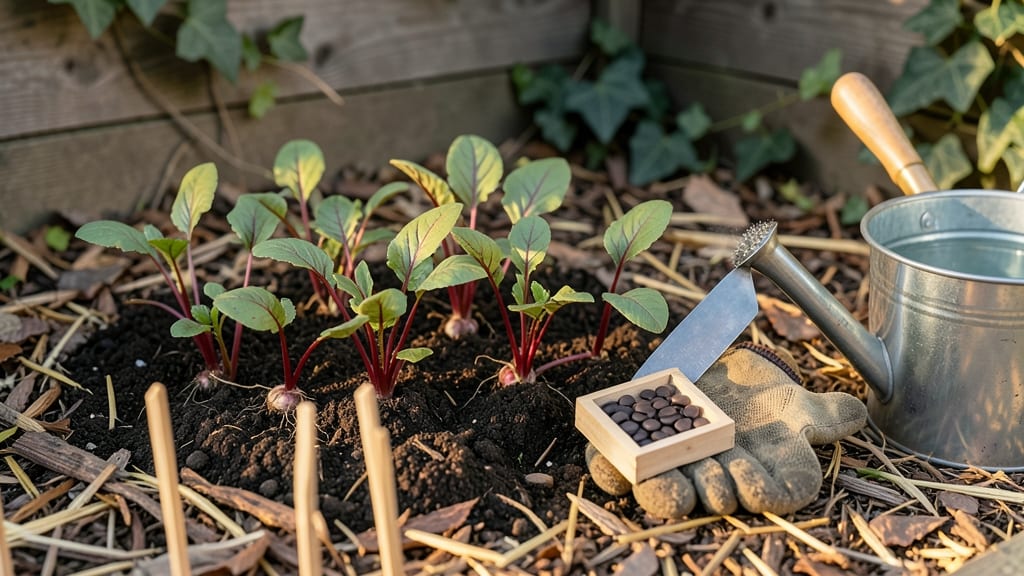
Best months to plant beets in Arizona by climate zone
Arizona’s three distinct climate zones—Low Desert, High Desert, and Transition Zones—each demand unique beet planting strategies. The key is avoiding soil temperatures above 85°F, which causes bolting and bitter roots. Let’s break down the perfect planting windows for each zone, including fall/winter (ideal) and spring (riskier) options.
In the Low Desert (Phoenix, Tucson), where summers hit 110°F+, beets thrive only in cooler months. The best planting window spans from mid-September to early March, with peak success in October, November, and February.
For the High Desert (Flagstaff, Prescott), cooler temps extend the window slightly—plant from late August to April, but focus on September through March for sweetest roots.
Transition Zones like Sedona and Payson offer a middle ground, with ideal planting from mid-September to early April. These areas can handle late spring plantings (March-April) if you provide afternoon shade, but summer attempts will likely fail without shade cloth.
🌱
| Zone | Best Planting Window | Avoid Planting | Microclimate Tip |
|---|---|---|---|
| Low Desert (Phoenix/Tucson) | Mid-Sept to early March | April–Sept (soil >85°F) | Use shade cloth in late spring |
| High Desert (Flagstaff) | Late Aug to April | May–July (bolting risk) | Extend season with row covers |
| Transition (Sedona) | Mid-Sept to early April | June–Aug (extreme heat) | Plant near north-facing walls |
For fall plantings (September–November), aim to harvest before December’s cooler temps trigger bolting. In the Low Desert, seed directly into well-amended beds by mid-September for a December–February harvest. The High Desert can start even earlier—late August—thanks to cooler nights.
Spring plantings are riskier but possible in March (Low Desert) or February (High Desert). Use shade cloth (30–50% block) to protect seedlings from April’s rising temps. Successive plantings every 2–3 weeks ensure a steady harvest through May.
Pro tip: Test your soil temperature before planting—use a soil thermometer to confirm it’s below 75°F. If it’s higher, wait or use shade cloth to cool the soil.
🌡️
In urban microclimates (like Tucson’s Tortolita Mountains), plant 2–4 weeks later than the general schedule—these areas stay cooler longer. Conversely, low-lying desert floors (e.g., Saguaro National Park) may need earlier plantings to escape summer heat.
Remember: Beets are cool-season crops, but Arizona’s mild winters let you grow them nearly year-round. With the right timing, you’ll enjoy sweet, tender roots from December through May—no summer sacrifices needed!
☀️
Best months to plant beets in Arizona by climate zone
Arizona’s diverse climate zones—from the Low Desert of Phoenix to the High Desert of Flagstaff—create wildly different planting windows for beets. In the Low Desert (Zones 9b-11), where summer temps soar above 100°F, beets bolt or turn woody if planted after April.
Meanwhile, the High Desert (Zones 6b-8a) offers a longer growing season, with cooler nights allowing spring and fall plantings even into May or September.
For Transition Zones (Zones 7a-8b), like Prescott or Sedona, aim for September through March—this balances cooler temps with Arizona’s 300+ frost-free days. The key? Soil temperature—beets thrive when soil stays below 85°F. Use a soil thermometer to confirm before planting.
| Zone | Best Planting Months | Avoid | Notes |
|---|---|---|---|
| Low Desert (Phoenix/Tucson) | October–March | April–September | Use shade cloth in late spring |
| Transition (Prescott/Sedona) | September–March | June–August | Spring plantings need evening watering |
| High Desert (Flagstaff) | March–September | December–February | Frost risk in late winter |
Succession planting is your secret weapon in Arizona. Sow new seeds every 2–3 weeks from October to February in the Low Desert to ensure a continuous harvest through April. In the High Desert, stretch plantings into late spring—just cover seedlings with frost cloth if temps dip below 32°F.
For container gardening (great for patios or balconies), use 5-gallon pots filled with well-draining potting mix. Plant seeds ½ inch deep and keep soil moist—containers dry out 3x faster than in-ground beds. Place pots in morning sun to avoid midday heat stress on young seedlings.
Pro tip: Mix beets with radishes in the same row. Radishes mature in 30 days, giving you an early harvest while beets bulk up below. This interplanting trick maximizes space and deters pests like flea beetles, which love young beet leaves.
Timing isn’t just about months—it’s about microclimates. A north-facing bed stays 10°F cooler than a south-facing one. Test your spot: If your soil feels warm to the touch at 10 AM, wait 2–4 weeks before planting. Patience here means sweet, tender beets instead of bolted greens.