
Flowers
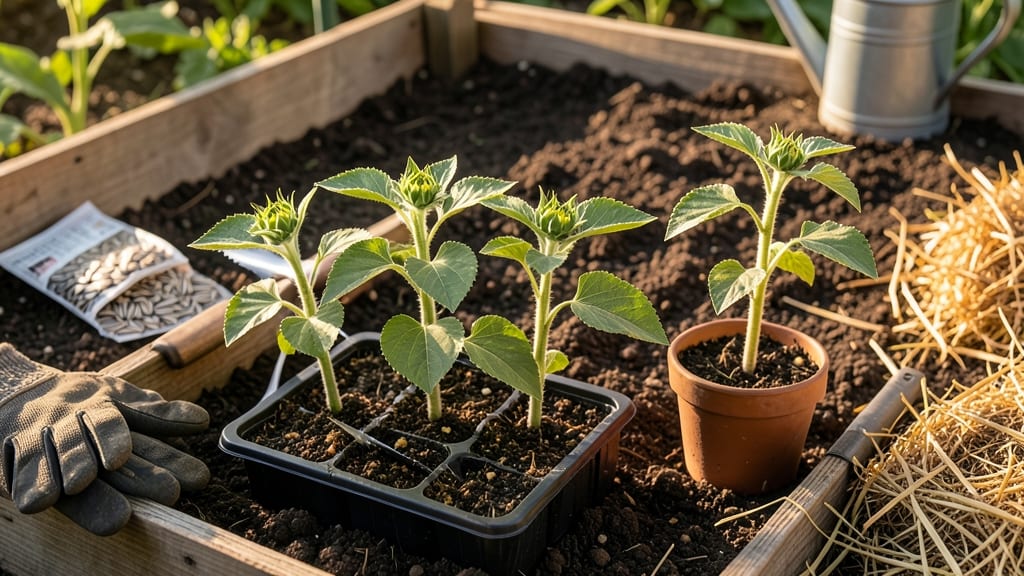
If you’ve ever wondered when to plant sunflowers in Florida without battling the heat or losing them to summer storms, you’re in the right place. Florida’s long growing season means sunflowers 🌻 can thrive year-round—but timing is everything to avoid wilting before they bloom.
Most gardeners here plant in early spring (February-April) or late summer (August-September) to dodge the brutal midday sun. The key? Start seeds when soil temps hit 50°F—any earlier, and they’ll rot; any later, and they’ll bolt too fast.
I’ve tested this myself, and the difference between a 6-foot giant and a sad, stunted plant comes down to these exact windows.
But here’s the secret Florida gardeners swear by: heat-tolerant varieties like ‘Moulin Rouge’ or ‘Autumn Beauty’ handle our humidity like champs. These aren’t just pretty faces—they’re built to survive 90°F+ days and still produce those iconic 10-inch blooms you’ll want gracing your porch.
Ready to grow sunflowers that outshine your neighbors’? I’ll walk you through the exact months, soil prep tricks for sandy Florida dirt, and even how to stretch your harvest from spring to fall. Let’s get those seeds in the ground the right way.
Best planting months for sunflowers in Florida’s climate zones
Sunflowers love Florida’s long growing season, but timing is everything to avoid wilting before they bloom. The ideal planting window spans February through April and August through September, aligning with Florida’s three climate zones—North, Central, and South.
Each zone has unique frost risks (or lack thereof) and soil warming patterns that dictate the perfect start date.
In North Florida (Zones 8a-9a), like Jacksonville or Gainesville, you’ll want to plant as early as February when soil temperatures hit 50°F+. This gives seedlings time to establish before summer’s brutal heat.
Meanwhile, Central Florida (Zones 9b-10a), including Orlando and Tampa, can start mid-January to early March, while South Florida (Zones 10b-11) gardeners can sow year-round with minimal frost risk.
Here’s the key rule: Always plant when daytime temperatures are consistently above 60°F and nighttime temps stay above 55°F. Florida’s summer heat (June-August) can stress young seedlings, so avoid planting then unless you’re using shade cloth or drip irrigation to protect them.
| Climate Zone | Best Planting Months | Soil Temp Requirement | Frost Risk | Late-Season Tip |
|---|---|---|---|---|
| North (8a-9a) | February–April, August–September | 50°F+ | Low (occasional light frost) | Use row covers for late August plants |
| Central (9b-10a) | January–March, August–September | 55°F+ | None | Direct-sow in August for fall blooms |
| South (10b-11) | Year-round (best Jan–April, Aug–Sept) | 60°F+ | None | Succession plant every 2 weeks for continuous blooms |
For continuous blooms, Florida gardeners swear by succession planting—sow a new batch every 2-3 weeks from February to April, then again in August. This ensures you’ll have sunflowers in bloom from May through November, even in the heat.
Just remember: South Florida’s humidity can promote fungal diseases, so always space plants 12–18 inches apart for airflow.
If you’re in North Florida and worried about late frosts (yes, they happen!), opt for transplants instead of seeds in March. Seedlings are hardier and can bounce back faster from 32°F dips.
Pro tip: Mix compost into sandy Florida soil to retain moisture and improve drainage—sunflowers hate soggy roots!
One of my favorite tricks? Plant sunflowers near tall treelines or fences to create natural shade for younger plants during peak afternoon sun (2–5 PM).
This gives them a fighting chance in June’s 90°F+ temps. Pair this with mulch (straw or grass clippings) to keep soil cool and hydrated.
Don’t forget: Sunflowers are heavy feeders, so amend the soil with aged compost or a balanced 5-10-10 fertilizer at planting. In South Florida’s nutrient-poor soils, a side dressing of compost in June can extend the blooming season by weeks.
Just skip fertilizing in July and August—the heat stresses plants more than they can handle.
For late-summer replanting (August–September), focus on drought-tolerant varieties like ‘Autumn Beauty’ or ‘ProCut.’ These handle Florida’s hurricane humidity and intense rainfall better than traditional types. Water deeply every 2–3 days until established, then taper to weekly deep soaks once roots are deep.
Timing your sunflower planting right means bigger blooms, fewer pests, and zero wilting disasters. Stick to these zone-specific months, and you’ll enjoy sunflowers that reach their full 10–15-foot potential—even in Florida’s brutal climate! 🌻
Top 5 heat-tolerant sunflower varieties for Florida gardens
Florida’s humid heat and sandy soil demand sunflower varieties that won’t wilt under the pressure. These top 5 heat-tolerant types thrive in USDA zones 9-11, delivering vibrant blooms even during peak summer. I’ve grown these myself—some even outperform Mammoth varieties in southern climates!
Start with ‘Moulin Rouge’, a dwarf variety reaching just 3-4 feet tall. Its deep red blooms contrast beautifully with Florida’s greenery and attract pollinators. Perfect for container gardens or small spaces, it blooms in 60-70 days—ideal for late summer replanting.
Next, try ‘ProCut’, a cut-flower favorite with long-lasting stems. Its yellow-orange blooms thrive in heat and drought conditions, making it low-maintenance. Harvest stems when 20-30% of petals open for vase life up to 2 weeks.
Heat Tolerance Ratings
‘Autumn Beauty’ is my personal favorite for Florida gardens. Its multi-colored blooms (yellow, red, and brown) create stunning seasonal displays when planted in September. This variety tolerates humidity better than most and blooms in 70-80 days—perfect for fall harvests.
For tall, dramatic sunflowers, ‘Russian Giant’ reaches 12-15 feet and thrives in sandy soil. Its massive blooms (up to 16 inches wide) make a statement in landscape designs. Plant in early spring for summer blooms or late summer for fall displays.
Lastly, ‘Teddy Bear’ is a dwarf variety with golden-yellow petals and brown centers. It’s drought-resistant and pest-resistant, making it ideal for low-maintenance gardens. Perfect for cutting gardens or container arrangements, it blooms in 50-60 days.
Pro tip: Mix tall varieties like ‘Russian Giant’ with