
Plants
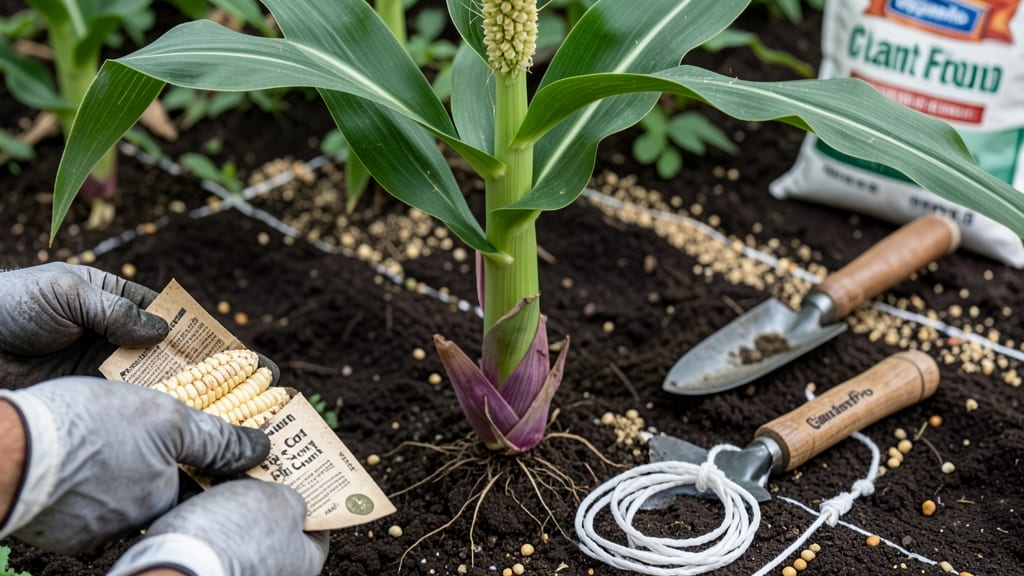
Knowing when to plant corn in Zone 8a can mean the difference between a bumper crop of sweet 🌽 and a sad, frost-nipped disappointment. The right timing isn’t just about avoiding late frosts—it’s about syncing your planting with soil warmth and your local microclimate to maximize yields.
In Zone 8a, where frost can linger until mid-March and summer heat arrives early, the window for spring planting is tight: mid-April to early June after the last frost.
But here’s the secret most gardeners miss—you can actually grow a second crop in fall if you choose fast-maturing varieties and plan carefully.
I’ll break down the exact dates, soil temperature thresholds, and variety recommendations to help you avoid common mistakes. Whether you’re a first-time grower or a seasoned gardener, these tips will ensure your corn thrives from seed to harvest.
Ready to turn your garden into a cornucopia? Let’s dive into the timing strategies that work in Zone 8a’s unique climate.
Optimal spring planting dates for corn in Zone 8a
In Zone 8a, timing your corn planting after the last frost is critical—corn seeds need soil temperatures above 60°F to germinate properly. The average last frost date in Zone 8a is around March 15, but microclimates can shift this by 2–3 weeks.
For foolproof timing, wait until mid-April to early May when nighttime temperatures consistently stay above 50°F.
Corn thrives on warm soil and long daylight hours, so planting too early risks frost damage, while planting too late cuts your harvest window short. Aim for a 60–90 day variety to ensure ears mature before Zone 8a’s first frost (around November 15).
This means your planting window should end by mid-July at the latest.
Pro Tip: Use a soil thermometer to confirm temperatures are above 60°F at a 4-inch depth. If your soil is cooler, wait a few more days or use black plastic mulch to warm it faster. This simple step can mean the difference between germination success and wasted seeds.
Here’s a quick Zone 8a planting timeline to align with corn’s growth cycle:
| Stage | Action | Zone 8a Window |
|---|---|---|
| Soil Prep | Test pH (6.0–7.0), add compost | February–March |
| Planting | Sow seeds 1–1.5" deep, 4" apart | Mid-April–Early June |
| Germination | Keep soil moist, protect from frost | 7–14 days (soil >60°F) |
| Thinning | Remove weak seedlings, space 12" apart | 3–4 weeks after sowing |
| Harvest | Pick when silks brown, kernels milky | Late August–October |
For maximum yield, plant in blocks or squares (not single rows) to ensure cross-pollination. This is especially important if you’re growing multiple varieties. Space rows 30–36 inches apart to allow airflow and easy harvest access.
In Zone 8a’s heat, corn can grow 6–12 feet tall, so plan for vertical space if your garden is small.
If you’re unsure about your last frost date, check local weather records or use a frost calendar for your specific county.
For example, Atlanta, GA (Zone 8a) typically sees its last frost around March 20, while San Antonio, TX (Zone 8a) may have frost-free soil by February 20. Adjust your planting date accordingly to avoid cold snaps that can stunt young seedlings.
Another key factor in Zone 8a is succession planting. Since corn takes 60–90 days to mature, you can fit in two plantings: one in early spring and another in early summer (by June 15).
This extends your harvest season and reduces the risk of earworm infestations, which peak in late summer.
To stretch your growing season further, consider container growing for dwarf varieties like 'Bodacious' or 'Silver Queen'. These 4–6 foot plants thrive in 5-gallon pots and can be moved to partial shade during Zone 8a’s hottest afternoons (after June 20).
Just ensure pots have drainage holes and you water deeply every 2–3 days.
Finally, monitor your corn for heat stress in Zone 8a’s summer. If temperatures exceed 95°F for more than a few days, provide shade cloth (30–50% coverage) to protect young plants.
This is especially critical for early summer plantings, which may face peak heat during their most vulnerable growth stages.
Optimal spring planting dates for corn in Zone 8a
In Zone 8a, spring corn thrives when planted after the last frost date—typically mid-April to early May—but soil temperature matters more than calendar dates.
Corn needs soil at 60°F+ to germinate, so wait until your area’s average last frost (March 15) has passed 2 weeks to ensure warmth. For example, in San Diego, you can plant by March 20, while Atlanta waits until April 15.
Use a soil thermometer to confirm readiness—corn seeds won’t sprout below 50°F. If your soil is cooler, try black plastic mulch to warm it 5–10°F faster. This trick extends your planting window by 1–2 weeks in cooler microclimates.
For succession planting, stagger seeds every 2 weeks until early June to harvest corn over 8–10 weeks.
🌱 Zone 8a Corn Planting Timeline
| Stage | Action | Notes |
|---|---|---|
| Soil Prep | Test pH (6.0–7.0), add compost | Corn hates acidic soil |
| Planting Window | Mid-April to early June | After last frost, soil ≥60°F |
| Germination | 5–14 days | Keep soil moist (not soggy) |
| Harvest Ready | 80–120 days after planting | Silks brown, kernels milky |
For maximum yield, plant in blocks (not rows) to ensure cross-pollination. Space seeds 4–6 inches apart in rows 30–36 inches apart. If you’re short on space, try bush corn varieties like ‘Bodacious’ (55 days), which grow 4–6 feet tall instead of 8+ feet.
These compact plants also resist wind damage common in Zone 8a’s late-spring storms.
Watch for late frosts—even after your average last frost, a 28°F night can kill young corn. Use frost cloth for the first 2 weeks if your area has unpredictable spring weather.
In southern Zone 8a (e.g., Houston), you can plant as early as March 1, but northern edges (e.g., Nashville) should wait until April 15.
Pro tip: Plant a test row 2 weeks early in a sheltered spot (like near a south-facing fence) to gauge soil warmth. If those seeds sprout, your entire garden is safe to plant.
This low-risk strategy saves you from waiting too long and missing the ideal 90-day growing window before summer heat sets in.
Once your corn reaches 6–12 inches tall, side-dress with nitrogen-rich fertilizer (like blood meal) to boost leaf growth. But avoid over-fertilizing—too much nitrogen delays ear development. Water deeply in the morning to prevent fungal diseases like corn smut, which thrives in Zone 8a’s humid summers. 🌽