
Plants
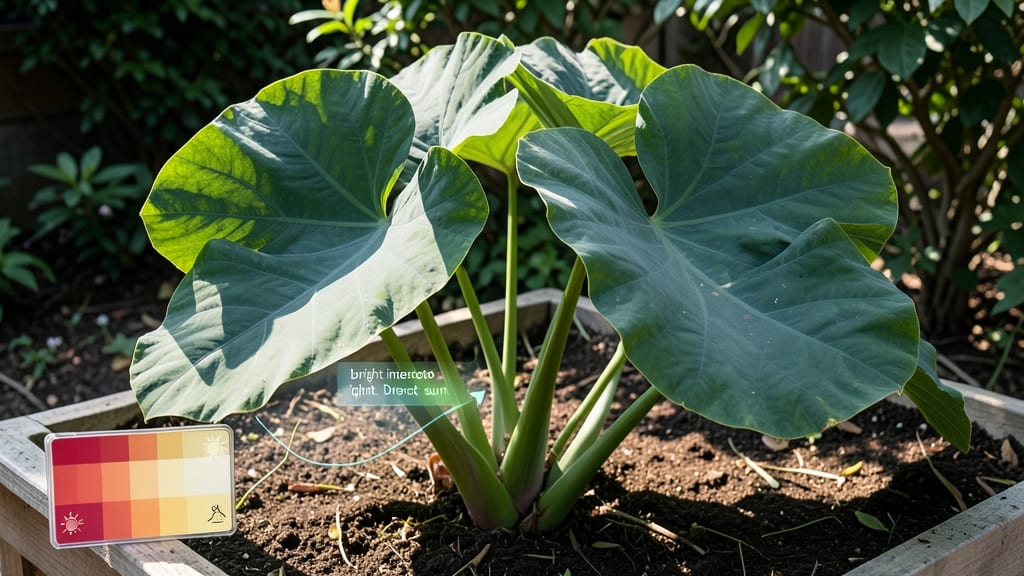
How much light does an elephant ear plant need to thrive? If your 🌿 Colocasia or Alocasia leaves are looking dull or crispy, you might be getting the balance wrong—and it’s easier to fix than you think.
Elephant ear plants love bright, indirect sunlight, but too much direct sun can scorch those stunning leaves, while too little leaves them leggy and weak. The key is mimicking their natural tropical habitat, where dappled shade keeps them happy.
Whether you're growing them indoors near a window or outdoors in your garden, getting this right makes all the difference in their lush, vibrant growth.
In this guide, I’ll break down exactly how many hours of light your elephant ear needs, how to spot signs of over- or under-exposure, and practical tips to adjust your setup—whether you’re dealing with harsh afternoon sun or a dim corner. Let’s get those leaves thriving!
From morning sun benefits to afternoon shade hacks, you’ll learn how to create the perfect light conditions for your plant’s health. No more guesswork—just stunning, healthy foliage all season long.

Ideal light requirements for elephant ear plants: bright indirect sun explained
Elephant ear plants—whether Colocasia or Alocasia varieties—thrive in bright indirect sunlight, mimicking their native tropical habitats. Too much direct sun causes leaf scorch, while too little leads to leggy, pale growth.
The key is balancing dappled sunlight and shade, especially during peak afternoon hours when UV rays are strongest.
For outdoor gardens, position your elephant ear plants where they receive 4-6 hours of morning sun followed by afternoon shade from trees or structures. In temperate climates, this protects their delicate foliage from heat stress and browning edges.
If you're in a hot, dry region, even morning sun can be too intense—opt for filtered light under a sheer curtain or lattice.
🌿 Indoor growers face a different challenge: most homes lack natural bright indirect light. South- or east-facing windows work best, but avoid placing plants directly on glass, which can overheat roots.
If your space is dim, supplement with grow lights (more on this in the next section). A common mistake is assuming any sunlight is good—elephant ears despise harsh, unfiltered rays.
Visual Tip: Hold your hand near the plant’s leaves. If you can comfortably read a book under the same light, it’s likely the right intensity. If shadows are sharp and dark, the light is too direct.
| Variety | Light Needs | Signs of Stress | Ideal Placement |
|---|---|---|---|
| Colocasia (e.g., 'Black Magic') | Bright indirect, 4-6 hrs morning sun | Yellowing leaves, crispy edges | East window, under tree canopy |
| Alocasia (e.g., 'Polly') | Low to bright indirect, 2-4 hrs sun | Drooping, pale new growth | North window, sheer curtain |
| Both (Outdoor) | Partial shade, dappled sunlight | Brown patches, slow growth | Patio with afternoon shade |
Seasonal adjustments are critical. In summer, elephant ears may need more shade as temperatures rise, while winter indoor plants might benefit from a grow light to compensate for shorter days.
Watch for leaf color changes: deep, glossy greens mean happy plants, while yellow or brown edges signal light issues.
💡 Pro Tip: Rotate your plant quarter-turns weekly to ensure even light exposure. This prevents lopsided growth and helps leaves develop uniformly. Outdoor plants often handle this naturally, but indoor specimens need your help!
If you’re unsure whether your space meets the bright indirect light requirement, test it for a week: place a white sheet of paper where your plant would sit. If the paper yellows or fades, the light is too harsh. If it stays pristine, you’ve found the perfect spot!
Next, we’ll dive into practical solutions for providing ideal light—whether you’re dealing with a sunny patio, a dim apartment, or a shady garden corner. Spoiler: grow lights aren’t just for emergencies!
Ideal light requirements for elephant ear plants: bright indirect sun explained
Elephant ear plants—whether you're growing Colocasia or Alocasia varieties—thrive best with bright indirect sunlight. This mimics their natural tropical habitat, where sunlight filters through the canopy before reaching the forest floor.
Aim for 4 to 6 hours of bright, filtered light daily, especially during their active growing season in spring and summer.
Direct sunlight, especially harsh afternoon rays, can cause leaf scorch or crispy edges, while too little light leads to leggy growth and pale foliage. The key is balancing exposure—think of it like a dappled shade under a tree canopy.
If your plant is indoors, an east-facing window is ideal, as it provides gentle morning light without the intensity of south or west-facing exposures.
| Plant Type | Light Needs | Signs of Over-Exposure | Signs of Under-Exposure |
|---|---|---|---|
| Colocasia | 4-6 hrs bright indirect light | Brown/yellow leaf edges | Pale, stretched leaves |
| Alocasia | 3-5 hrs bright indirect light | Crispy leaf tips | Slow growth, weak stems |
For outdoor gardeners, position your elephant ear plant in a spot that receives morning sun and afternoon shade. If you're in a hotter climate (zones 8-10), afternoon shade is critical to prevent heat stress.
In cooler regions (zones 5-7), you can tolerate slightly more direct sun, but always monitor for signs of stress.
Indoor growers should avoid placing their plants near south- or west-facing windows during peak sunlight hours. Instead, use sheer curtains to diffuse light or rotate the plant every few days to ensure even exposure.
If natural light is insufficient, supplement with a grow light (more on this in the next section!).
Watch for these tell-tale signs of light issues: Yellowing leaves often indicate too much direct sun, while drooping or sparse foliage suggests insufficient light. Adjust gradually—sudden changes can shock your plant. With the right light balance, your elephant ear will reward you with bold, glossy leaves all season long.
Pro tip: If your plant is struggling, move it incrementally—about 1-2 feet closer to or farther from the light source every few days. This helps avoid shocking the plant while you fine-tune its perfect spot.