
Plants
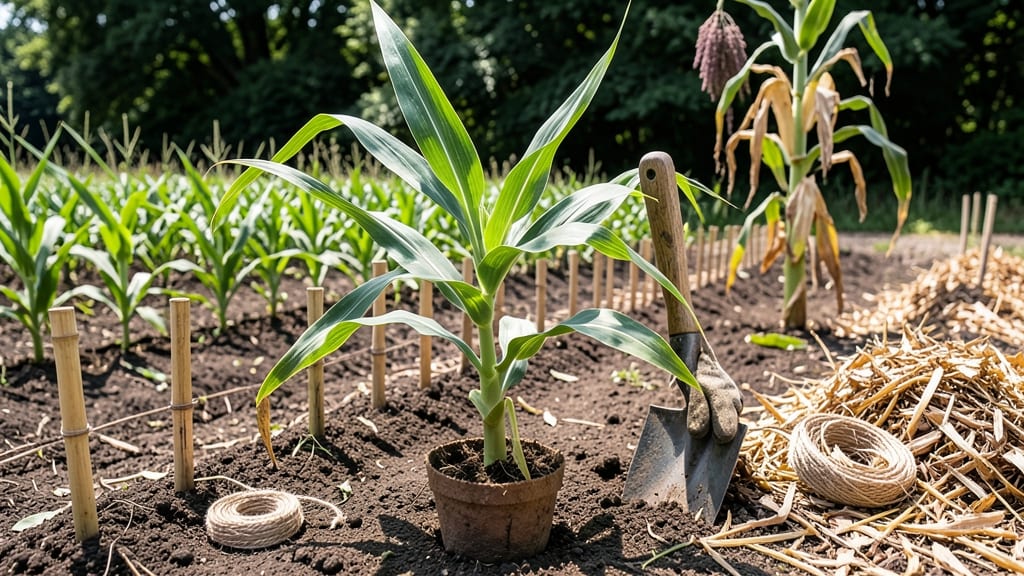
Timing your corn planting in Zone 7a can mean the difference between a bountiful harvest and wasted seeds—soil temperatures are the secret weapon most gardeners overlook. With just 180 frost-free days to work with, getting those seeds in the ground at the right moment is everything.
The ideal window runs from mid-April to early June, but rushing too soon can leave your 🌽 vulnerable to late frosts, while waiting too long might cut your harvest short.
Here's the game-changer: your corn won't sprout reliably until soil hits 60°F, and that typically happens around late April in Zone 7a. Planting too early when temperatures dip below 50°F can stunt growth or even kill seedlings before they take hold.
I've learned that patience pays off—waiting for that perfect 60°F+ window ensures strong, consistent germination and gives your plants the head start they need.
But timing isn't just about dates—it's about understanding your local microclimate. Some years, a cold snap might push back your planting by a week or two, while others allow for early starts.
The key is monitoring soil temps (not air temps) and having a backup plan for succession planting if your first batch gets a late start. Let me show you exactly how to read the signs and adjust your schedule for maximum success.
Whether you're growing sweet corn for summer meals or dent corn for fall storage, mastering these timing triggers will transform your garden. You'll avoid the most common mistakes that leave gardeners scratching their heads in July wondering where their corn went wrong.
Stick with me, and I'll walk you through the exact steps to time your planting like a pro—so you can enjoy fresh ears straight from your Zone 7a garden all season long.
Zone 7a corn planting timeline: exact soil temperature triggers
Planting corn in Zone 7a isn't just about dates—it's all about soil temperatures. Corn seeds need warm soil to germinate properly, and planting too early can lead to rot or stunted growth.
The key is understanding the three critical temperature thresholds: 50°F for germination, 60°F for optimal growth, and 70°F for peak yield potential. These thresholds align with Zone 7a's average last frost date of April 15, but don't let that fool you—soil warms slower than air.
I've learned the hard way that air temperature ≠ soil temperature. A warm April day might trick you into planting early, but if the soil is still chilly, your corn seeds will sit there, waiting for warmth that never comes.
That's why I always check soil temps with a soil thermometer (they're cheap and worth it!). For Zone 7a, aim to plant when your soil hits at least 60°F—this usually falls between mid-April and early May, depending on your exact location within the zone.
Here's the game-changer: Corn grows in stages, and each stage has its own ideal temperature range. Germination happens best at 50-60°F, but once those little sprouts emerge, they need consistent warmth above 60°F to grow strong.
If nighttime temps dip below 50°F after planting, your corn might struggle to establish roots properly. That's why I always plant my early varieties closer to the May 1st window—it gives them a better chance to outpace any late frosts.
Pro tip: Use black plastic mulch to warm the soil faster. I've seen it raise soil temps by 5-10°F in just a few days, giving me an earlier planting window. Just be sure to remove it once the plants are established to prevent overheating.
Another trick is planting near warmth-loving companions like beans or squash—their root zones radiate extra heat back to your corn.
Let me stress this: Do NOT plant corn before your soil hits 60°F, even if your neighbors are already sowing. Cold soil leads to seed rot, and that's a waste of your time and money.
I've had gardeners in northern Zone 7a (like Roanoke, VA) plant in early April only to lose their entire crop. Meanwhile, those in southern Zone 7a (like Atlanta, GA) can sometimes plant as early as late March if their microclimate is warmer.
| Stage | Ideal Soil Temp (°F) | Zone 7a Planting Window | Risk Below This Temp |
|---|---|---|---|
| Germination | 50-60°F | Mid-April (northern) to late March (southern) | Seed rot, slow sprouting |
| Vegetative Growth | 60-70°F | Early April (southern) to mid-May (northern) | Stunted roots, weak stalks |
| Tasseling & Ear Development | 70-80°F | May-June (peak warmth) | Poor pollination, small ears |
🌱 Note: Use a soil thermometer 6 inches deep for accurate readings
One mistake I see often is gardeners planting all their corn at once. Instead, I recommend succession planting every 2 weeks after your first planting. This stretches your harvest from late July through October and ensures you're not overwhelmed with ripe ears all at once.
For Zone 7a, your last planting should go in by early June—any later, and you risk ears maturing before your first frost in mid-October.
Don't forget about nighttime temperatures—corn is sensitive to chilly evenings after planting. If nights dip below 55°F for more than a few days, your young plants may struggle. That's why I always keep an eye on the 10-day forecast before planting.
If cool nights are predicted, I'll hold off until conditions improve. In my experience, May is the safest month for most of Zone 7a, balancing warmth and frost risk.
For those in microclimates (like urban heat islands or valley bottoms), you might push planting 1-2 weeks earlier. I've had success in my Atlanta garden planting early varieties in late March when using black plastic mulch.
But if you're in a higher-elevation area of Zone 7a (like the Appalachians), you'll need to wait until mid-May to avoid frost damage. Always check your local cooperative extension service for hyper-local advice.
Here's my foolproof Zone 7a corn planting schedule:
- Test soil temp at 6" depth daily starting March 15
- Plant first batch when soil hits 60°F consistently (usually April 15-May 1)
- Add succession plantings every 2 weeks until June 1
- Harvest from late July onward, picking ears when silks turn brown 🌾
Zone 7a corn planting timeline: exact soil temperature triggers
Planting corn in Zone 7a isn't just about dates—it's about soil temperatures that trigger germination and growth. Most gardeners focus on frost dates, but corn needs consistent warmth to thrive.
I've learned the hard way that planting too early leads to stunted growth or even seed rot when cold snaps hit.
The key is understanding three critical soil temperature thresholds: 50°F (minimum for germination), 60°F (ideal for planting), and 70°F+ (optimal for rapid growth). In Zone 7a, these thresholds typically align with mid-April to early June, but they can shift based on microclimates and weather patterns.
Always use a soil thermometer—it's your best tool for precision planting.
| Stage | Soil Temp (°F) | Zone 7a Timeline | Action |
|---|---|---|---|
| Germination | 50°F+ | Late April | Plant when soil hits 50°F consistently |
| Ideal Planting | 60°F+ | Mid-April to early May | Best window for most Zone 7a regions |
| Rapid Growth | 70°F+ | May to June | Corn grows 2-3 inches/day at this temp |
For Zone 7a, aim to plant when your soil reaches 60°F—this typically falls between mid-April and early May, but always verify with your local last frost date (usually around April 15).
If you're in a cooler microclimate within Zone 7a, like higher elevations, wait until May 1st to avoid frost damage. I once planted in early April and lost half my seeds to a late frost—never again!
Pro tip: Use black plastic mulch to warm the soil faster. It can raise soil temperatures by 5-10°F, giving you an earlier planting window. Just be sure to remove it after planting to prevent overheating. Corn roots need consistent moisture, and mulch helps retain it while accelerating germination.
Don't forget about succession planting! In Zone 7a, you can often squeeze in two corn plantings: one in early May and another in early June.
This extends your harvest window and maximizes your garden space. Just ensure your second planting has time to mature before the first frost (typically October 15).
Finally, monitor your plants closely for frost warnings after planting. Young corn seedlings can't handle temperatures below 50°F for more than a few hours. If frost is forecasted, cover your seedlings with row covers or old blankets until the threat passes. A little extra protection can save your entire crop.