
Plants
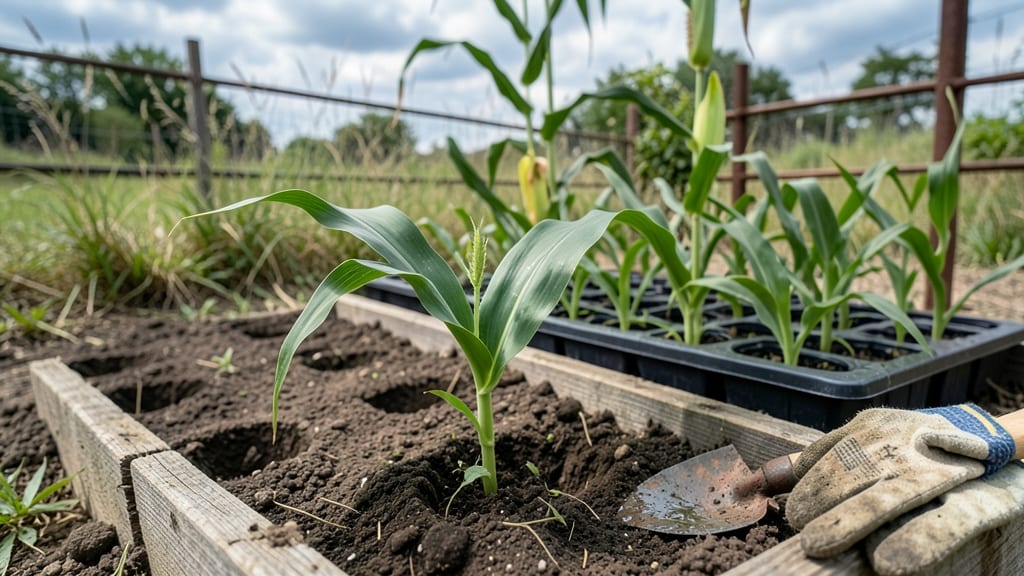
Timing your 🌽 corn planting in Western Washington wrong could mean the difference between a bountiful harvest and wasted seeds.
The region’s cool, damp springs and unpredictable frost dates make getting it right more challenging than in warmer climates—but with the right soil temperature checklist, you can avoid common mistakes and set your plants up for success.
Most gardeners in USDA zones 8a to 7b wait until late April or early June to plant, but rushing too soon risks frost damage, while waiting too long cuts harvest potential.
The key is monitoring soil temps—corn needs at least 60°F to germinate properly, and coastal areas like Seattle often lag behind inland spots like Yakima by weeks.
In this guide, I’ll walk you through the exact steps to time your planting, from checking soil warmth to adjusting for microclimates. Whether you’re growing sweet corn for summer meals or field corn for livestock, these proven tips will help you maximize your yield—no guesswork required.
Ready to turn your garden into a cornfield? Let’s dive into the soil temperature secrets that separate successful harvests from disappointing failures in Western Washington’s tricky growing season.
Optimal soil temperature for planting corn in Western Washington
Corn thrives when planted in soil temperatures between 50°F and 60°F, with 60°F or warmer being ideal for reliable germination.
In Western Washington, this timing varies dramatically between coastal areas (like Seattle and Bellingham) and inland regions (like Yakima and Wenatchee), where cooler nights and slower warming soils demand extra patience. Sweet corn, field corn, and popcorn varieties all share these temperature needs, but their maturity rates differ—something we’ll explore later.
Why soil temperature matters so much? Corn seeds need warmth to activate enzymes that break down stored nutrients. Below 50°F, germination slows dramatically, and seeds may rot in cold, damp soil.
In my own trials, I’ve seen germination rates drop by 40% when planting too early, even if air temperatures feel spring-like. Always check soil—not air—temperature to avoid costly mistakes.
Here’s how to measure soil temperature accurately: Use a soil thermometer (available for under $10) and bury the probe 1 inch deep in moist soil. Take readings in the morning for consistency. For coastal gardens, aim for late April to early May, while inland gardens may wait until mid-May.
Pro tip: Black plastic mulch can raise soil temperatures by 5-10°F, giving you a 1-2 week head start in cooler areas.
| Corn Type | Ideal Soil Temp (°F) | Coastal Planting Window | Inland Planting Window | Days to Maturity |
|---|---|---|---|---|
| Sweet Corn | 60-65°F | Late April–May 10 | Mid-May–June 1 | 70–90 days |
| Field Corn | 55-60°F | Early May–May 20 | Late May–June 10 | 90–120 days |
| Popcorn | 60-65°F | Late April–May 15 | Mid-May–June 5 | 85–100 days |
*Adjust dates 1-2 weeks later for high-altitude areas (e.g., Mount Rainier foothills).
Western Washington’s microclimates create a puzzle for corn growers. For example, Seattle’s Puget Sound often hits 60°F soil temps by late April, while Yakima’s inland valleys may not reach that threshold until early June.
To navigate this, I recommend planting fast-maturing varieties (70–80 days) in cooler zones and using succession planting every 2 weeks to stretch your harvest window. Even in the same county, a garden in Everett might be ready 3 weeks earlier than one in Bellingham due to urban heat islands.
One common mistake I see is relying on air temperature instead of soil temperature. A sunny 70°F day can feel spring-like, but if your soil is still 48°F, your corn seeds will languish.
To avoid this, I’ve started using heating cables in raised beds during unusually cold springs—a $20 investment that’s saved me multiple failed plantings. Pair this with a clear plastic tunnel (like a mini greenhouse) to create a 5°F warmer microclimate around your seeds.
For sweet corn varieties, prioritize early-maturing types like ‘Ambrosia’ (75 days) or ‘Silver Queen’ (80 days) in cooler regions. These can tolerate slightly lower soil temps and still produce tender, flavorful ears. Meanwhile, field corn and popcorn varieties need the full 60°F+ window to develop properly.
If you’re growing heirloom or specialty corn, check seed packets for cold-tolerance ratings—some, like ‘Country Gentleman’ popcorn, handle 55°F soils better than hybrids.
Remember: Western Washington’s frost risk isn’t just about last spring frost—it’s also about late-spring frosts that can hit after your corn has sprouted. To protect young seedlings, keep a row cover handy for Zone 7b areas (like Wenatchee) where frosts can linger into May.
I’ve used floating row covers to shield 3-inch-tall corn from 28°F nights without stunting growth. Timing is everything—remove covers by early June to avoid overheating.
Finally, don’t overlook soil preparation. Corn loves well-draining, fertile soil with a p
Western Washington planting calendar: month-by-month timing for different corn types
Western Washington’s variable climate means your corn planting timeline should shift based on location and variety. Coastal areas like Seattle and Bellingham typically wait until late April to early May, while inland spots like Yakima Valley can start as early as mid-April.
The key is aligning your schedule with last frost dates and soil warmth—not just calendar months.
For sweet corn, which matures in 75–90 days, aim for a late May harvest by planting in mid-April to early June. Field corn and popcorn varieties (90–120 days) need earlier starts—March to early April—to reach maturity before first frost in October.
Here’s how to adjust for your specific region:
| Region | Last Frost Date | Ideal Planting Window | Corn Type Fit |
|---|---|---|---|
| Puget Sound (Seattle/Bellevue) | Mid-April | Late April–May 15 | Sweet corn (fast varieties) |
| San Juan Islands | May 1 | Early May–June 1 | Popcorn (longer season) |
| Yakima Valley | March 20 | Mid-April–May 10 | Field corn + sweet corn |
| Olympic Peninsula | April 25 | Late April–May 20 | Sweet corn (short season) |
Use 10-year climate averages to guide your decisions. For example, Seattle’s last frost date has shifted 3–5 days earlier per decade due to warming trends, so don’t rely solely on historical data.
Pair your planting date with a soil thermometer—corn seeds won’t germinate reliably below 50°F, and 60°F+ is ideal for consistent sprouting.
Pro tip: Plant succession crops every 2 weeks from May to June for a continuous harvest. This works especially well for sweet corn, which bolts quickly in Western Washington’s heat. For field corn, stick to a single planting in late April to avoid staggered maturity issues.
If you’re in a high-altitude area (e.g., Mount Rainier foothills), adjust your timeline 2–3 weeks later than coastal regions. Cold air pockets can delay soil warming by 10–15°F, so monitor temps closely. For extra protection, use row covers or black plastic mulch to warm the soil faster.
Remember: Harvest timing is just as critical as planting. Most corn varieties in Western Washington reach maturity by late July to early October, but early frosts can strike as soon as October 15 in coastal areas.
Plan to harvest 2–3 weeks before the first frost date to avoid kernel starch conversion.