
Plants
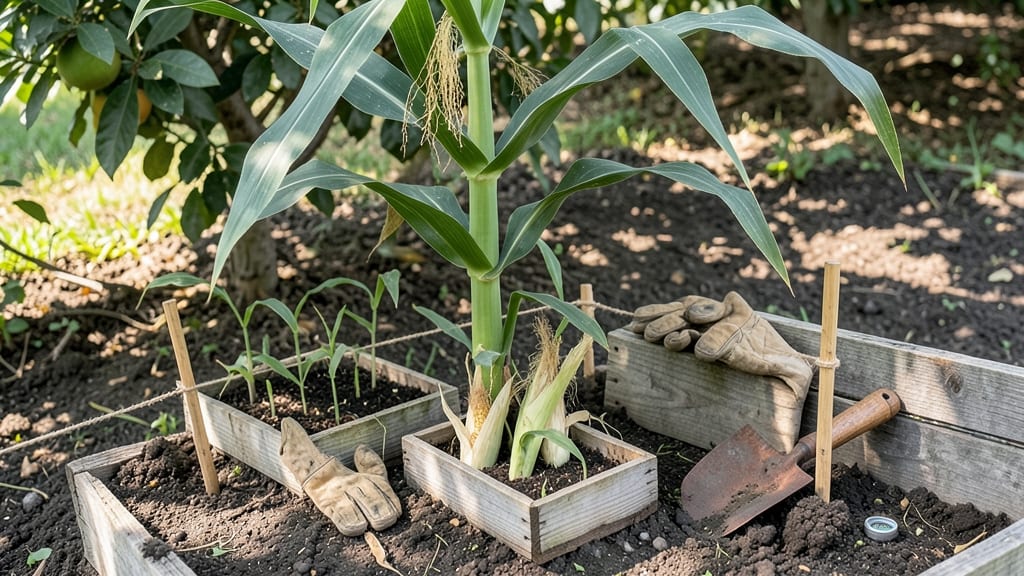
Timing your 🌽 corn planting in South Carolina can mean the difference between a bumper crop and a disappointing harvest—especially when you're aiming for sweet, tender kernels in just 100 days.
The right window isn't just about avoiding frost; it's about giving your plants the perfect head start in zones 7b-8a, where summer heat can turn ears tough if planted too late.
Most gardeners know mid-April to early May is the classic window, but local microclimates make all the difference. Coastal areas might wait until late April, while Upstate growers can start earlier—sometimes even late March if soil temps hit 60°F.
I'll show you how to read your garden's unique signals so you never miss the sweet spot.
What you'll discover here is how to adjust for South Carolina's quirks: from handling late frosts to beating early heatwaves. We'll cover soil prep tricks, spacing secrets, and even which corn varieties play best in your backyard.
Whether you're a first-timer or a seasoned gardener, these insights will help you grow corn that's juicy, plentiful, and ready by July.
Ready to turn your garden into a cornucopia? Let's dive into the exact dates, soil checks, and pro tips that'll have your 🌽 stalks reaching for the sky—and your table loaded with fresh ears by harvest time.
The best time to plant is now, and I've got the roadmap to success.
South Carolina corn planting calendar by region: best dates for 100-Day varieties
South Carolina's diverse climate means your corn planting timeline should vary by region. The state spans USDA Zones 7b-8a, with cooler mountain regions and warmer coastal areas. For 100-day varieties—perfect for sweet corn—timing is everything to avoid heat stress or frost damage.
Upstate gardeners (like those in Greenville or Spartanburg) have earlier last frost dates (around March 20-25), while coastal areas (like Charleston or Myrtle Beach) can plant 2-3 weeks later due to milder winters. Midlands (Columbia area) fall right in between.
Here's a regional breakdown of ideal planting windows for sweet corn varieties that mature in 100 days or less, based on historical data from Clemson University Extension:
| Region | Last Frost Date | Ideal Planting Window | Soil Temp for Planting | Harvest Window |
|---|---|---|---|---|
| Upstate (Greenville, Spartanburg) | March 20-25 | April 15 - May 5 | 60°F+ (15°C+) | July 15 - August 10 |
| Midlands (Columbia, Rock Hill) | March 25 - April 5 | April 20 - May 10 | 60°F+ (15°C+) | July 20 - August 15 |
| Coastal (Charleston, Myrtle Beach) | April 5 - April 15 | May 1 - May 15 | 65°F+ (18°C+) | August 1 - August 20 |
For 100-day varieties, aim to plant when your soil reaches 60°F (15°C)—use a soil thermometer to check. In cooler Upstate areas, this typically happens by mid-April, while coastal regions may wait until early May.
Pro tip: Plant a second succession 2 weeks later to extend your harvest.
Corn thrives in warm soil, so avoid planting too early. If your soil is still chilly, use black plastic mulch to warm it up faster. This is especially helpful in Zone 7b areas where late frosts are common.
Remember: Heat stress can shorten corn's growing season. If you're in a hotter coastal area, opt for early-maturing varieties (like 'Ambrosia') to avoid kernel abortion from summer heat. Planting in blocks (not rows) also improves pollination success.
Check your local agricultural extension service (like Clemson or SC State) for frost-free date updates. Their data is updated annually and accounts for microclimates in your specific county.
For gardeners in transition zones (like between Upstate and Midlands), err on the side of planting slightly later—better to wait for warm soil than risk frost damage to young seedlings. Start seeds indoors 2 weeks early if you're concerned about slow soil warming.
Once planted, maintain consistent moisture—corn needs 1-2 inches of water per week. Use drip irrigation to keep leaves dry and prevent fungal diseases like corn smut.
How to adjust corn planting for South Carolina’s unpredictable weather patterns
South Carolina’s weather can throw curveballs—one year you’re dodging late frosts, the next battling early heatwaves that turn corn ears tough before harvest. The key to success? Flexibility in your planting strategy.
I’ve learned that rigid dates don’t work here; instead, we track soil temperatures, frost forecasts, and even moon phases (yes, really!) to fine-tune timing.
For example, if your Upstate garden sees a late-March frost (like in 2021), delay planting until soil hits 60°F—even if that means waiting until May. Coastal areas, meanwhile, might push planting to late April to avoid hurricane-season humidity that fuels fungal diseases.
The goal? Give your corn 100+ frost-free days to mature.
Here’s my pro tip: Use black plastic mulch to warm soil faster in cool springs. It can shave 1-2 weeks off your planting window by raising soil temps by 5-10°F. Just lay it down 2 weeks before planting—it’s a game-changer for Upstate gardeners.
⚠️ Watch for These Weather Red Flags
Late Frost Alert: If your local forecast predicts frost after April 15, wait until May 1—corn won’t tolerate temps below 50°F.
Early Heatwave: If temps hit 90°F+ before June 15, switch to drought-tolerant varieties like 'Bodacious' (it handles heat better).
Heavy Rain: Avoid planting if 2+ inches of rain are forecast in 48 hours—soil compaction kills germination.
For backup planting, I recommend a succession schedule: Plant 1/3 of your seeds every 2 weeks from April to June.
This ensures a staggered harvest and reduces risk if one batch fails. Peaches and Cream, for instance, matures in 85 days, so a late-June planting can still yield ears by September.
Don’t overlook companion planting as a weather buffer. Pairing corn with beans or squash improves soil moisture retention and deters pests like corn earworms. The beans even fix nitrogen, giving your stalks a nutrient boost during South Carolina’s nutrient-leaching summer rains.
Finally, keep a planting journal to track what works. Note your last frost date, soil temp at planting, and harvest success. Over time, you’ll spot patterns—like why your Midlands garden thrives with April 20 plantings while Coastal areas need to wait until May 5.
That’s how you beat South Carolina’s weather whims!