
Plants
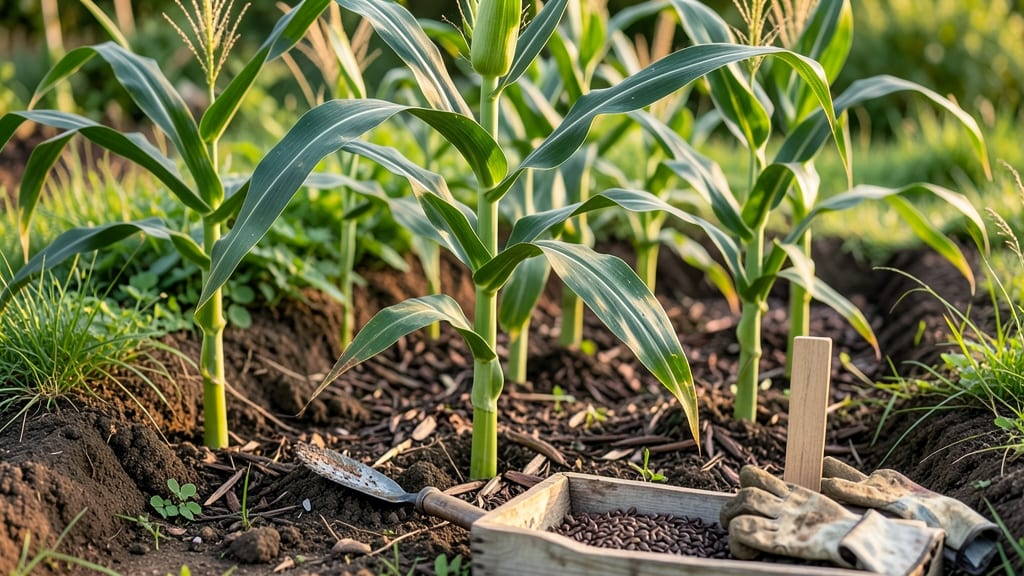
Timing your 🌽 corn planting in Northern California can feel like solving a puzzle—one wrong move, and frost or scorching heat ruins your crop before it even sprouts. The key isn’t just waiting for spring; it’s understanding your microclimate, whether you’re in foggy coastal zones or the hotter Sacramento Valley.
I’ve grown corn in USDA zones 7b-9a for years, and the difference between a thriving harvest and a failed attempt often comes down to soil temperature and frost dates.
Most gardeners here plant between April and June, but that window shifts dramatically depending on whether you’re near the Bay Area or inland.
In this guide, I’ll break down exactly when to plant—plus how to adjust for your specific location—so you can avoid common pitfalls like drought stress or premature frost. You’ll also discover the best corn varieties for your area and how to extend your harvest season.
Ready to grow sweet, plump ears without the guesswork? Let’s get started with the perfect planting schedule for your corner of Northern California.
Northern California corn planting zones: frost-free dates by region
Northern California’s microclimates create wildly different planting windows for corn. Coastal areas like San Francisco and Santa Cruz often experience last frosts in March 1-15, while inland valleys like Sacramento and Stockton can wait until April 1-15.
Mountain regions, such as the Sierra foothills, may delay planting until May 1 to avoid late-season chills.
Corn thrives with 200-270 frost-free days, so timing is critical. The San Joaquin Valley (USDA Zone 9a) offers the longest growing season, while Redding (Zone 7b) has a shorter window. Always check your local Almanac frost dates—they’re your best guide for avoiding frost damage.
🌱 Key Tip: Use a soil thermometer to confirm 60°F+ soil temps before planting, even if frost dates suggest readiness.
| Region | USDA Zone | Last Frost Date | Ideal Planting Window | Harvest Window |
|---|---|---|---|---|
| San Francisco Bay Area | 9a | March 1-15 | April 15 - May 15 | July - September |
| Sacramento Valley | 9a-10a | March 15 - April 1 | April 1 - May 10 | July - October |
| Redding/Shasta | 7b-8a | April 15 - May 1 | May 15 - June 1 | August - September |
| Redwood Coast | 8b-9a | March 15 - April 1 | April 15 - May 10 | July - September |
| Lake Tahoe Foothills | 6b-7a | May 15 - June 1 | June 15 - July 1 | September - October |
For sweet corn, aim to plant 60-70 days before your first expected frost. Field corn and popcorn varieties need 90-120 days, so adjust your schedule accordingly. Coastal gardeners can push planting to late May for a fall harvest, but inland areas should finish by June 15.
If you’re unsure about your local frost dates, use the USDA Plant Hardiness Zone Map or check with your county extension office. They often provide hyper-local data that’s more accurate than general guidelines.
🌽 Pro Tip: In Zone 9a+, you can plant succession crops every 2 weeks from April to July for continuous harvests.
Heat is another critical factor. Inland areas like Bakersfield can hit 90°F+ by June, stressing corn plants. Choose heat-tolerant varieties like 'Peaches and Cream' if you’re planting late.
Finally, remember that elevation matters. Areas like South Lake Tahoe (Zone 6b) may need to wait until June 1 to avoid late frosts, while Napa Valley (Zone 9b) can start as early as March 20.
Always monitor weather forecasts in the weeks leading up to planting. A sudden cold snap can derail even the best-laid plans—so stay flexible and prepared to protect young plants with frost cloth if needed.
Microclimate adjustments: how to plant corn 2-4 weeks earlier or later
Northern California’s microclimates create unique challenges for corn growers. While the general rule is to plant after the last frost, your exact timing depends on whether you’re in a coastal fog belt, a hot inland valley, or a high-altitude foothill area.
I’ve learned that adjusting your planting window by 2-4 weeks—earlier or later—can make all the difference in avoiding frost or heat stress.
For example, gardeners in the Sacramento Valley (USDA zone 9a) can safely plant as early as mid-March if they use black plastic mulch to warm the soil. Meanwhile, those in the Redwood Coast (zone 7b) might need to wait until late May to avoid late-spring frosts.
The key is understanding your local frost dates and adjusting accordingly.
Here’s how to fine-tune your planting schedule based on your specific microclimate:
One of my biggest mistakes was planting corn in early April in my coastal garden without checking soil temperatures. The result? Stunted seedlings due to cold soil. Since then, I’ve made it a habit to use a soil thermometer and adjust my schedule based on real-time data.
You can find these for under $10 and they’re a game-changer for precision planting.
If you’re unsure about your local frost dates, check resources like the National Weather Service or your local Cooperative Extension office. They often provide hyper-local data that can save your crop. For example, the UC Master Gardeners in Northern California offer free planting guides tailored to your county.
Remember, corn thrives on consistent warmth, so don’t rush the process. Even if your neighbors plant earlier, waiting an extra week for ideal conditions will pay off with healthier plants and bigger ears.
With these adjustments, you’ll be well on your way to a successful harvest—no matter where you garden in Northern California.