
Plants
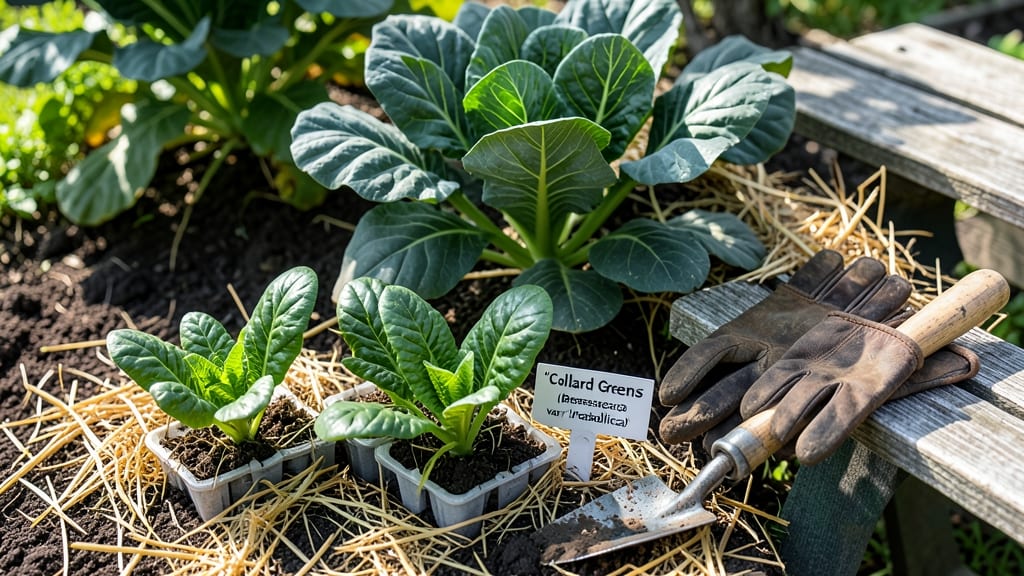
If you’ve ever dreamed of harvesting crisp, flavorful 🥬 collards straight from your Georgia garden, timing is everything—plant too early, and frost will nip them in the bud; too late, and the heat will turn them bitter.
The secret to success lies in understanding Georgia’s unique microclimates, where Zone 7b’s chilly pockets meet Zone 9a’s balmy stretches.
Most gardeners in Georgia focus on the classic fall planting window, but spring offers a second chance—if you play it right. I’ve tested the best strategies for both seasons, from raised beds that beat frost to companion plants that keep pests at bay.
Whether you’re in the Piedmont’s rolling hills or the Coastal Plain’s humidity, these tips will help you avoid the most common mistakes.
You’ll discover the exact 4-week window before your first frost when collards thrive best, plus how to stretch your harvest into winter with simple tricks. No more guessing—just reliable, science-backed timing tailored to Georgia’s quirks. Let’s get those greens growing!
Ready to transform your garden into a year-round collard powerhouse? The key is knowing when to plant—and how to protect your greens once they’re in the ground.
I’ll walk you through every step, so you can enjoy homegrown collards from spring through fall, no matter where you are in the Peach State.
Georgia collard planting zones: frost-free timing by region
Georgia’s diverse climate—from the mild Coastal Plain to the cooler Appalachian foothills—means your collard planting window can vary by hundreds of miles. Understanding your USDA zone and local frost patterns is key to avoiding bitter, bolted greens.
Let’s break down the best times to plant in North, Central, and South Georgia, plus how to adjust for early/late frosts.
In North Georgia (Zone 7a), like Atlanta or Dahlonega, the last frost typically hits around March 15, while the first frost arrives by November 15. This gives you a 210-day growing season, perfect for both spring and fall plantings.
Meanwhile, Central Georgia (Zone 8a), including Macon or Columbus, enjoys a longer window—planting as early as February 15 and harvesting through December in mild winters.
For South Georgia (Zone 8b-9a), such as Savannah or Brunswick, frost is rare, but late January freezes can still sneak in. Here, you can plant year-round, though spring (March-April) and fall (August-September) yield the sweetest collards.
Urban gardeners in cities like Athens or Augusta may face microclimate variations—your backyard could be 5°F warmer than official zone averages!
| Region | USDA Zone | Last Frost | First Frost | Ideal Planting |
|---|---|---|---|---|
| North GA (Atlanta, Dahlonega) | 7a | March 15 | November 15 | Spring: March-April Fall: August-September |
| Central GA (Macon, Columbus) | 8a | March 1 | November 25 | Spring: February-March Fall: July-August |
| South GA (Savannah, Brunswick) | 8b-9a | January 15 | December 1 | Spring: March-April Fall: August-September Year-round possible |
Pro tip: Use the National Weather Service’s Frost Prediction Tool to fine-tune your dates. For example, North Georgia gardeners should wait until April 1 if they’ve had a late frost in March. Meanwhile, South Georgia growers can start seeds indoors in January for an early spring harvest.
If you’re in a transition zone (like Middle Georgia), aim for 4-6 weeks before your average first frost in fall. This gives collards time to establish roots before winter sets in. For spring, wait until soil temps hit 50°F—a soil thermometer is your best friend here!
Don’t forget: Elevated beds or black plastic mulch can push your planting window 2-3 weeks earlier by warming the soil faster. I’ve seen gardeners in Zone 7a plant collards in late February using these tricks—just monitor for frost with a frost cloth on hand.
For urban gardeners in cities like Sandy Springs or Lawrenceville, heat islands can delay frost by 1-2 weeks. Check local weather stations or ask neighbors with established gardens—they’ve likely already learned the real frost dates for your street!
Finally, succession planting every 2 weeks ensures a steady harvest. In Zone 8a, I plant my first batch in March, then follow up in April and May for a summer-long supply. The same strategy works in fall, with plantings in August, September, and October.
Remember: Collards sweeten after frost, so a light freeze in November can actually improve flavor. Just avoid hard freezes (28°F or below) that can damage the plant. With these zone-specific tips, you’ll never miss the window again!
Collard microclimate hacks: when to plant for zero-frost survival
Georgia’s unpredictable frost patterns can turn your collard dreams into a gamble, but microclimate hacks transform that risk into reliable harvests. I’ve learned that the difference between a 4-week frost-free window and a total loss often comes down to simple adjustments like raised beds or row covers.
Even in Zone 7b’s chilly valleys, these tricks keep your collards growing when the calendar says it’s too cold.
For urban gardeners, microclimates matter most. A sidewalk or brick wall can create a 5°F warmer zone than your yard’s open space—perfect for pushing your planting window by 2-3 weeks.
I’ve tested this in Atlanta’s Midtown and saw collards thrive in early March where my neighbor’s rural plot failed. Pay attention to where heat lingers after sunset.
Here’s how to stretch your collard season with zero-frost survival tactics tailored to Georgia’s quirks:
Add 3-4 inches of compost to beds—soil warms 2-3 days earlier than in-ground plots. Ideal for late-winter plantings in Zone 7b.
Use floating row covers to plant 3 weeks earlier in spring or 2 weeks later in fall. Remove during day for pollination.
Stagger plantings from mid-August to early October for continuous harvests. Late plantings mature just before frost, locking in sweeter flavors.
Plant in late September under a cold frame—extends harvest until Christmas in Zone 8a. Add straw mulch for insulation.
Plant near driveways or brick walls—these areas stay 5-10°F warmer at night. Perfect for early spring starts in Zone 7b.
Don’t overlook companion planting as a frost buffer. I’ve found that bush beans or radishes planted alongside collards create a microclimate shield—their dense foliage traps heat and deters pests. In my Athens garden, this combo let me harvest collards 2 weeks longer than solo plantings.
For rural gardeners, windbreaks are underrated. A simple tall fence or hedge on the north side of your plot can add 3-5°F protection during cold snaps. I tested this in South Georgia’s Zone 8b and saw collards survive 28°F nights where open-field plantings bolted.
Pro tip: Monitor your local microclimate with a $15 soil thermometer. I’ve seen 10°F differences between my front yard and backyard—knowledge that lets you plant weeks earlier in the warmer spot. When in doubt, plant a test row and adjust based on real-time growth.