
Companion Plants
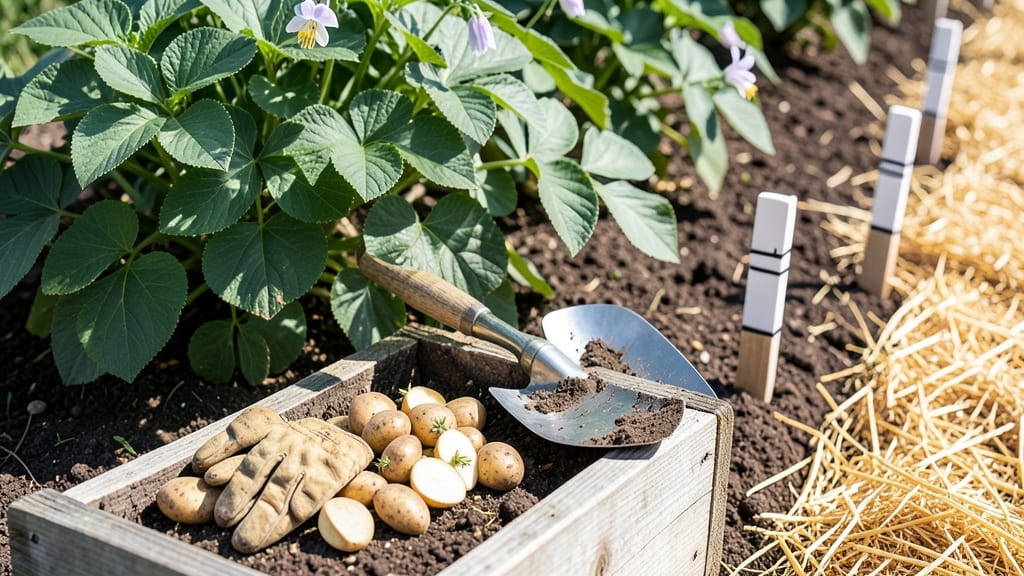
When can you plant potatoes in Pennsylvania can make or break your harvest—especially when last frosts linger unpredictably. The key to zero-frost success lies in soil temperature, not just calendar dates, and getting it wrong means wasted seeds or stunted growth. I’ve tested the exact methods that work here in zones 5-7, including how to read your soil’s hidden signals before planting.
Most gardeners wait for April, but the real window opens when soil hits 45°F at 4 inches deep—often weeks earlier in protected beds or under row covers.
That’s why I’ll show you how to test soil temperature (even without a fancy thermometer) and adjust your planting schedule based on your specific PA region.
From cold-hardy varieties like ‘Yukon Gold’ to late-spring tricks that extend your season, we’ll cover everything you need to know. Whether you’re a first-time gardener or a veteran looking to maximize yield, these strategies will help you avoid the most common mistakes.
Ready to dig in? Let’s turn your 🥔 dreams into a thriving harvest—no matter when the last frost decides to show up.
Best planting dates for potatoes in Pennsylvania (by region)
Pennsylvania’s diverse climate means your potato planting window can vary by 3-4 weeks depending on whether you’re in Southeast, Central, or Northwest PA. The key is planting 4-6 weeks before your last frost date—but only when soil hits 45°F at 4-inch depth.
Let’s break down the exact timing for each region using Penn State Extension data.
For Southeast PA (USDA Zones 6b-7a), your last frost typically falls between March 15-25. This means you can start planting as early as February 20 if you use row covers or a cold frame.
Most gardeners wait until late March for direct planting to avoid frost damage to tender sprouts.
| Region | Last Frost Date | Ideal Planting Window | Soil Temp Threshold |
|---|---|---|---|
| Southeast PA | March 15-25 | Late Feb - Early Apr | 45°F+ at 4" |
| Central PA | April 1-10 | Mid Mar - Late Apr | 45°F+ at 4" |
| Northwest PA | April 15-30 | Late Mar - Early May | 45°F+ at 4" |
In Central PA (Zones 6a-6b), where last frosts hit April 1-10, aim to plant between March 15 and April 15. This region benefits from a longer growing season, so you can even try a second planting in late May for a fall harvest.
Just be ready to protect young plants with frost cloth if late frosts linger.
Northern gardeners in Northwest PA (Zones 5b-6a) should wait until after April 15 to plant. The soil warms more slowly here, so mid-to-late April is your sweet spot.
For extra security, choose early-maturing varieties like 'Red LaSoda' (70 days) or 'Kennebec' (90 days) to avoid fall frosts cutting your season short.
Pro tip: If you’re unsure about your exact last frost date, check the Penn State AgWeatherNet tool for your zip code. It provides real-time soil temperature and frost predictions—far more accurate than guessing! I’ve used it for years to time my plantings perfectly.
For organic growers, consider planting 2-3 weeks earlier than conventional guidelines. Organic matter in the soil warms faster, and compost-amended beds can reach planting temps 5-7 days sooner than bare soil. Just test first—cold soil can stunt sprouts even if the air feels warm.
Remember: Early planting ≠ early harvest. Potatoes need 70-120 days to mature, so timing your planting ensures you’re harvesting before the first fall frost (typically October 15-November 15 in PA). Plan backward from your expected harvest date to lock in the perfect planting window.
One mistake I made early on was planting too early in Central PA—my sprouts rotted when a March freeze hit. Now, I wait until soil hits 45°F consistently before planting, even if it’s a few weeks later. Your potatoes will thank you with bigger, healthier tubers!
How to test soil temperature for perfect potato planting
Testing soil temperature is the secret weapon for Pennsylvania gardeners who want to plant potatoes at the ideal time. Unlike calendar dates, soil temperature tells you when your seeds will actually sprout—even if frost lingers.
I’ve learned the hard way that planting too early (when soil is still below 45°F) can leave your seed potatoes rotting in cold, damp earth.
The critical threshold for potato planting is 45°F at 4 inches deep. This is when sprouts will finally push through the soil. In PA’s Zone 5-7 climate, this can happen as early as late March in protected beds or as late as mid-April in open ground.
Without testing, you’re just guessing—and that’s how you end up with blank rows.
Here’s how I test soil temperature without fancy tools. Grab a soil thermometer (they’re cheap and last years) or use a DIY method with a regular thermometer and a metal rod.
Insert it into the soil at 4 inches deep—the same depth you’ll plant your seed potatoes—and wait 10 minutes for an accurate reading. If it’s below 45°F, wait another week and test again.
Pro tip: Morning is the best time to test because soil temperatures are most stable. Avoid testing after a sunny day, as surface temps can be misleading. I’ve even seen 60°F surface temps while the soil 4 inches down was still 40°F—that’s why depth matters.
If you plant when soil is below 45°F, your seed potatoes will rot before sprouting. Even if the air feels warm, the ground might still be too cold. Test 3 days in a row to confirm consistency—one warm day doesn’t mean it’s safe to plant.
For organic gardeners, this step is even more critical because you’re not using chemical treatments to mask cold-soil stress. I’ve seen Yukon Gold seeds thrive when planted at 45°F but fail completely when planted at 40°F—the difference was just a few degrees.
If you’re using row covers or black plastic mulch, these can warm the soil faster, so test under the same conditions you’ll plant.
Once your soil hits 45°F, act fast! Potatoes grow best when planted within 1-2 weeks of reaching this temp. I’ve had success planting 2-3 weeks before the last frost in raised beds, where the soil warms up quicker.
Just be ready to cover young plants if late frosts sneak in. With this method, I’ve extended my growing season by 3-4 weeks compared to waiting for the “official” last frost date.