
Plants
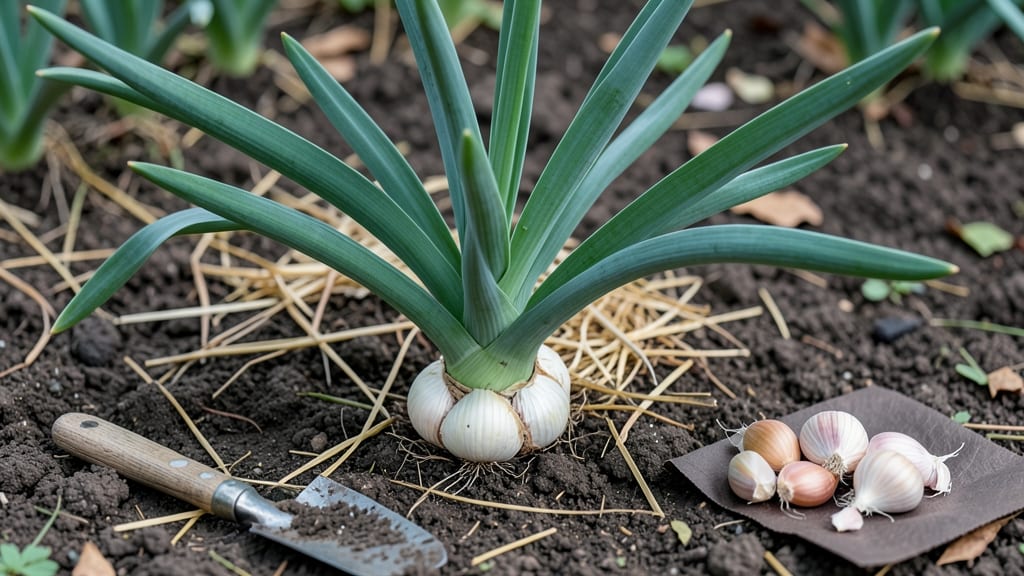
If you’ve ever wondered when do you plant garlic in Georgia, timing is the secret weapon behind plump, flavorful bulbs—or wasted effort.
Georgia’s mild winters and unpredictable springs mean you can’t just follow a generic calendar; the 6-week rule before hard freeze is your golden guideline for fall planting, while spring options require extra care.
The ideal window for fall-planted garlic in Georgia’s 7b-8b zones runs from late October to early November, but soil temperature and frost dates twist the script every year.
Skip this step, and you might end up with bolting plants or stunted growth—neither of which tastes like the garlic 🧄 you crave in your cooking.
But here’s the good news: with the right soil prep and spacing, you can also experiment with spring plantings (though yields may differ). I’ll walk you through exactly how to time it, adjust for your microclimate, and troubleshoot common pitfalls—so you’re not guessing whether your garlic will thrive or flop.
Ready to grow garlic that rivals the stuff from your favorite market? Let’s dive into the Georgia-specific schedule that’ll have you harvesting strong, healthy bulbs by next spring.
Georgia’s fall planting deadline for garlic: optimal dates & climate zones
Timing is the single most critical factor when growing garlic in Georgia. Unlike many vegetables, garlic needs a cold winter dormancy period to develop large, flavorful bulbs. In Georgia’s USDA Zones 7b-8a, this means planting in late fall—but not too late.
The 6-week rule before your first hard frost is your golden window.
For most of Georgia, this translates to mid-October through early November. Planting too early (like September) risks premature sprouting before winter sets in, while planting after mid-November may leave garlic unprotected from winter dieback.
Use your average first frost date (typically mid-November in Zone 7b, later in Zone 8a) as your starting point, then count backward.
Here’s the hardneck vs. softneck breakdown for Georgia gardeners: Hardneck varieties (like ‘Music’ or ‘German White’) thrive in Georgia’s winters and produce larger cloves with floral stems. Softneck varieties (like ‘Silverskin’) are more heat-tolerant but may bolt prematurely in Georgia’s mild winters.
Choose hardnecks for best results in most of the state.
Soil temperature is your secret weapon for success. Garlic cloves need soil temps between 40-50°F to sprout reliably. In Georgia’s warmer southern regions (Zone 8a), this might mean waiting until late October or November, while northern Georgia (Zone 7b) can plant as early as mid-October.
Use a soil thermometer to confirm—don’t guess!
| Zone | Ideal Planting Window | Key Consideration | Soil Temp Goal |
|---|---|---|---|
| 7b (North GA) | Mid-October - Early November | First frost: Mid-November | 45-50°F |
| 8a (Central/South GA) | Late October - Early December | First frost: Late November | 40-45°F |
| All Zones | 6 weeks before hard freeze | Hardneck varieties preferred | Avoid planting when soil >55°F |
Pro tip: If you’re unsure about frost dates, use local extension office data (UGA Extension is your best resource). For example, Athens (Zone 7b) typically sees its first hard frost by November 15th, while Savannah (Zone 8a) might hold off until December 1st.
Planting 4-6 weeks before these dates gives garlic enough time to establish roots before winter.
Don’t overlook soil preparation—Georgia’s clay-heavy soils need amending. Work in 2-3 inches of compost or well-rotted manure before planting to improve drainage. Garlic hates soggy roots, so raise beds slightly if your soil stays wet.
A pH between 6.0-7.0 is ideal; test your soil and adjust with lime or sulfur if needed.
Spacing is often overlooked but makes a huge difference in bulb size. Plant cloves 2 inches deep and 4-6 inches apart in rows 12 inches apart. This gives bulbs room to swell without competing.
In Georgia’s mild winters, you might see faster growth than northern states, so don’t crowd the plants—bigger spacing = bigger bulbs.
After planting, mulch heavily with straw or leaves (4-6 inches) to insulate bulbs during winter. This prevents frost heave (when soil freezes and pushes cloves out) and keeps temps stable.
In Zone 8a, you might need extra mulch to simulate winter chill—garlic needs at least 40 days below 40°F to form bulbs properly.
Remember: Spring garlic (planted in winter for spring harvest) is a different approach entirely—we’ll cover that in the next section. For now, focus on fall planting for the best flavor and largest bulbs in Georgia’s climate.
With the right timing, your garlic will overwinter beautifully and reward you with bold, homegrown bulbs next spring! 🧄
Georgia’s fall planting deadline for garlic: optimal dates & climate zones
Georgia’s fall planting window for garlic is your best bet for large, flavorful bulbs. The magic happens when you plant 4-6 weeks before hard freeze, which typically lands in late October to early November for most of the state’s Zone 7b-8b regions.
This timing lets garlic establish roots before winter dormancy, ensuring it’s ready to bolt and bulb in spring.
But here’s the catch: Georgia’s microclimates can shift this window by weeks. Coastal areas like Savannah might see earlier frosts (by late October), while inland spots like Athens could push planting to mid-November.
Always check your last frost date—aim for 60°F soil temps at planting time to avoid rot.
For hardneck varieties (like ‘Music’ or ‘German White’), fall planting is non-negotiable—they need cold vernalization to form bulbs. Softneck types (like ‘Silverskin’) are more flexible but still thrive with a cool winter. Skip the fall window, and you risk bolting (flowering prematurely) or tiny, pungent bulbs.
| Zone | Ideal Planting Window | Soil Temp Goal | Key Notes |
|---|---|---|---|
| 7b (Coastal) | Late Sept–Oct 15 | 55–65°F | Earlier frost risk; use mulch |
| 8a (Athens, Macon) | Oct 15–Nov 1 | 60–70°F | Standard window; hardnecks preferred |
| 8b (North GA) | Nov 1–15 | 50–60°F | Later frost; softnecks adapt better |
Pro tip: Use a soil thermometer to confirm temps—garlic hates soggy, cold soil. If your ground runs below 50°F, wait or plant in raised beds with straw mulch.
And always break cloves apart 24 hours before planting to let the base callus form—this speeds root growth by 30%.
Once planted, mulch heavily (4–6 inches of straw) to insulate bulbs through winter. This protects against freeze-thaw cycles and keeps soil temps stable. By spring, you’ll see green shoots breaking through—your cue that the garlic is waking up for its 6-month growth sprint.
Missed the fall window? Don’t panic—spring planting is an option, but yields may shrink. We’ll cover that in the next section, plus how to extend your growing season for second chances. For now, mark your calendar: October 15–November 1 is your sweet spot for Georgia-grown garlic gold.