
Plants
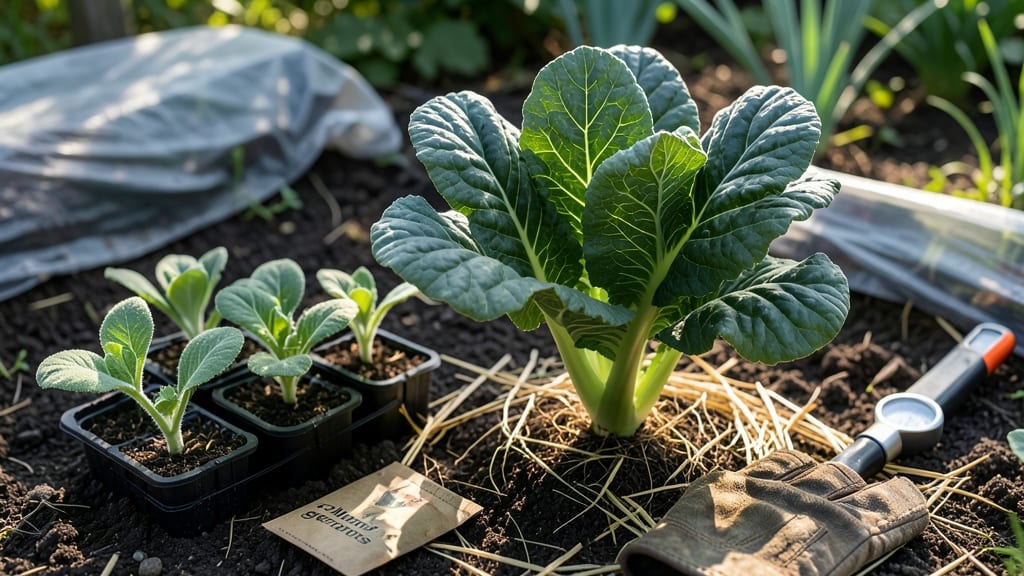
If you've ever planted collards 🥬 in Florida only to watch them bolt into bitter, flowery frustration by summer, you're not alone.
The key to growing sweet, tender collards here isn't just about soil or water—it's all about timing, and getting it wrong can turn your garden into a sad, wilted disappointment.
Florida's warm climate means we can grow collards year-round, but that doesn't mean we should. The perfect windows—September to October for fall planting and February to March for spring—align with cooler temperatures that prevent bolting.
These months give your plants the ideal growing conditions they crave, avoiding the brutal summer heat that turns collards into tough, stringy messes.
What you're about to discover isn't just when to plant—it's how to outsmart Florida's heat with shade tricks, mulching secrets, and variety choices that actually thrive here. I'll show you exactly how to extend your harvest well beyond the typical November-January window, even in the hottest parts of the state.
Ready to grow collards that stay sweet and leafy instead of bolting into disappointment? Let's dive into the heat-resistant strategies that will change your garden game forever.
Florida collard planting calendar: best months by region (avoid bolting)
Florida’s three distinct climate zones mean your collard planting window varies dramatically from North to South Florida. In North Florida (Zone 9a), cooler temperatures arrive earlier, while South Florida (Zone 10a-11) stays warm year-round.
Timing your collard seeds correctly prevents premature bolting—when heat triggers flowering instead of leaf growth.
I’ve grown collards in Jacksonville, Orlando, and Miami, and the difference in harvest success is night-and-day when you follow these region-specific windows. Let’s break it down by month and zone to keep your greens tender and productive.
| Region | USDA Zone | Best Planting Window | Avoid Planting | Harvest Time | Key Tip |
|---|---|---|---|---|---|
| North Florida | 9a | September 15–October 15 | May–August | November–February | Use row covers for early frost protection (rare but possible). |
| Central Florida | 9b-10a | August 20–October 1 | June–September | October–March | Plant heat-tolerant varieties like 'Champion' or 'Georgia Southern'. |
| South Florida | 10b-11 | February 1–March 15 or September 1–October 15 | April–August | March–May or October–December | Use shade cloth (30-50%) during summer months to prevent bolting. |
🌱 Pro Tip: South Florida gardeners can plant twice yearly—spring and fall—for continuous harvests.
If you’re in North Florida, your fall planting window is critical because temperatures drop faster. Aim for September 15 to give plants time to establish roots before cooler weather sets in.
In Central Florida, you’ve got a slightly longer window, but avoid planting after October 1—the heat will trigger bolting within weeks.
For South Florida growers, the real magic happens in spring and fall. Planting in February lets you harvest before summer’s peak heat, while September planting gives you greens for the holidays.
The key is avoiding May–August entirely—this is when collards bolt and flower, turning your leafy greens into bitter, seed-producing plants.
Microclimates matter too! Even within Central Florida, a gulf-coast location (like Tampa) stays warmer longer than inland Orlando. Adjust your planting by 1-2 weeks earlier if you’re near the coast. Use a soil thermometer to confirm optimal soil temps (60–75°F) before sowing.
One common mistake? Planting collard seeds too early in North Florida and watching them bolt before harvest. The 100-day rule applies: if your average nighttime temps rise above 70°F before 100 days to maturity, your collards will flower instead of leafing out.
Use shade cloth or partial shade to buy extra time.
For container growing, timing shifts slightly. Containers heat up faster than garden beds, so plant 2 weeks earlier in fall and 2 weeks later in spring. Choose 5-gallon pots with drainage holes and use lightweight potting mix to prevent overheating.
Remember: collards thrive in cool weather but survive in Florida’s heat with the right variety and care. Next, we’ll dive into the top 5 heat-resistant collard varieties that won’t bolt in Florida’s sweltering summers—stay tuned! 🌿
Florida collard planting calendar: best months by region (avoid bolting)
Florida's climate is tricky for collards 🥬—what works in North Florida (like Jacksonville) might fail in South Florida (like Miami). The key is planting during cooler months when temperatures stay between 60°F and 80°F, preventing bolting.
Let’s break it down by region so you can pick the perfect window for your garden.
In North Florida (Zones 8a-9a), where occasional frost can sneak in, your best bet is September through October for fall planting. This gives plants time to establish before December’s rare cold snaps.
For spring, aim for February to early March—any later, and the April heat will send them bolting faster than you can say "bitter greens."
| Region | Best Planting Window | Harvest Window | Key Tip |
|---|---|---|---|
| North Florida (Zones 8a-9a) | September-October (Fall) / February-March (Spring) | November-January / May-June | Use row covers for frost protection |
| Central Florida (Zones 9b-10a) | August-September (Fall) / January-February (Spring) | October-December / April-May | Plant near trees for shade in summer |
| South Florida (Zones 10b-11) | July-August (Summer) / December-January (Winter) | September-October / February-March | Use shade cloth (30-50%) year-round |
If you're in Central Florida (Zones 9b-10a), like Orlando or Tampa, you’ve got a slightly longer window. Start seeds in August for fall or January for spring. The goal here is to avoid May’s brutal heat, which can turn your collards into tough, stringy disappointment.
Pro tip: Plant near large trees or fences to create natural shade during peak afternoon sun.
For South Florida (Zones 10b-11), where summer feels like a sauna, the rules change entirely. Here, you can plant collards in July-August for a fall harvest, but you’ll need shade cloth (30-50%) to keep them from wilting.
Winter planting (December-January) is also a great option, as cooler temps bring back that sweet, tender flavor. Just avoid planting in April or May—that’s when they’ll bolt faster than you can say "southern summer."
Microclimates matter too! Even within a region, coastal areas (like St. Augustine) stay cooler longer than inland spots (like Gainesville). If you’re near water, you might push your planting window 1-2 weeks later than inland gardens.
Always check your local frost dates (yes, even in Florida!) and adjust accordingly.
Timing isn’t just about months—it’s about temperature. Use a soil thermometer to aim for 60-80°F soil temps. If it’s hotter than that, your collards will bolt before you can harvest a single leaf.
And remember: successful collard growing in Florida isn’t about fighting the heat—it’s about working with it. 🌱