
Plants
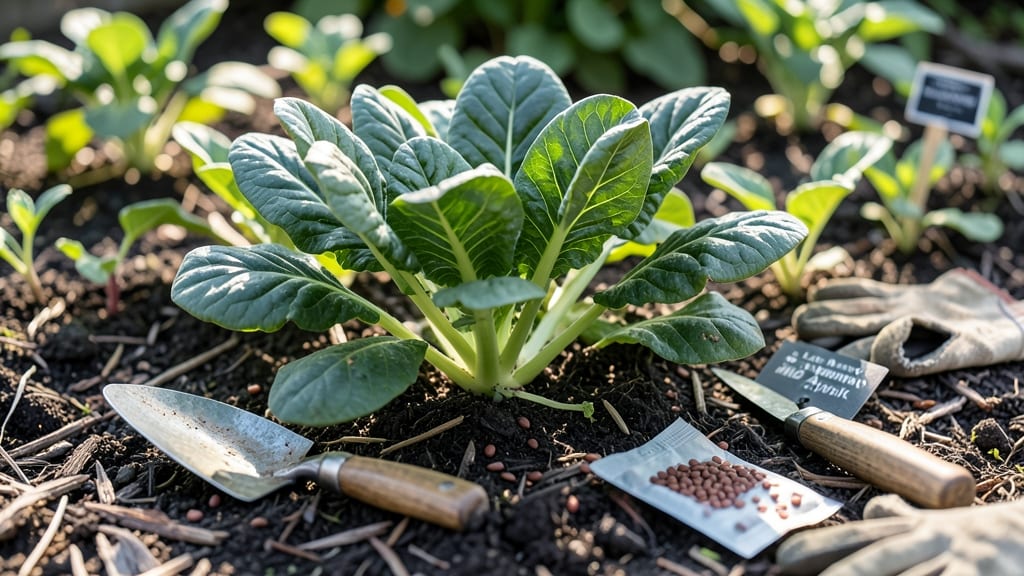
If you’ve ever wondered when to plant collard seeds in North Carolina to avoid early bolting or frost damage, the answer lies in timing.
North Carolina’s diverse climate—from the mountains to the coast—means planting collard seeds at the wrong time can mean the difference between a bumper crop and a sad garden. The key? Understanding your USDA zone (like 7a-8b) and aligning it with frost dates to maximize your harvest.
Most gardeners in NC plant collards twice a year: once in spring (March-April) for a summer feast and again in fall (August-September) for winter braising. But get it wrong, and you’ll either face bitter leaves or plants that freeze before they mature.
I’ll break down the exact windows—plus soil temperature tricks—to ensure your collards thrive, not just survive.
You’ll also discover how to adjust for microclimates, whether you’re in the Piedmont’s rolling hills or the coast’s milder zones. Plus, I’ll share my top tips for seed spacing, frost protection, and even how to extend your harvest well into November.
Ready to turn your garden into a collard goldmine? Let’s dig in.
This isn’t just theory—it’s what’s worked for NC gardeners for decades, backed by local agricultural experts. By the end, you’ll know exactly when to plant, how deep to sow, and what to watch for to avoid common pitfalls. Your next pot of collard greens starts here.
NC frost dates & optimal collard planting windows by region
North Carolina’s diverse climate zones (USDA 5A-8B) mean frost dates vary wildly—from mid-March in the mountains to late November on the coast. To maximize your collard harvest, time planting around these critical frost windows and regional microclimates.
For example, Asheville’s last frost often arrives 2-3 weeks earlier than Raleigh’s, while Wilmington’s first frost can be delayed until December.
Collards thrive in cool weather and actually sweeten with light frost, making them perfect for spring and fall planting. The ideal window is 4-6 weeks before your last frost date for spring and 8-10 weeks before first frost for fall.
Use NC State Extension’s 2024 frost maps (linked below) to pinpoint your exact dates—because planting too early risks bolting, while too late means bitter leaves.
🌱 Did You Know? The mountains (Zone 5A-6B) have shorter growing seasons (180 frost-free days), while the coast (Zone 8A-8B) enjoys 240+ days—meaning you can grow two full harvests in some areas!
NC Collard Planting Windows by Region
| Region | USDA Zone | Last Frost Date | First Frost Date | Spring Planting Window | Fall Planting Window |
|---|---|---|---|---|---|
| Mountains (Asheville) | 5A-6B | Mid-April | Mid-October | March 15-April 15 | August 15-Sept 15 |
| Piedmont (Raleigh) | 7A-7B | Early April | Late October | March 1-April 10 | August 1-Sept 10 |
| Coastal (Wilmington) | 8A-8B | Late March | Early December | February 20-April 15 | July 15-October 15 |
Source: NC State Extension 2024 Frost Data
For mountain gardeners, focus on fall planting—the cooler nights prevent bolting, and you’ll harvest through November’s mild spells. Meanwhile, coastal growers can enjoy two full harvests: one in late spring and another in early winter before frost.
Pro tip: Succession plant every 2-3 weeks in spring to stagger harvests and avoid glut.
Soil temperature is just as critical as air temperature. Collard seeds won’t germinate until soil reaches 55°F+. Use a soil thermometer to check—especially in early spring when days warm but nights stay chilly.
If your soil is below 55°F, wait or use black plastic mulch to warm it faster.
Don’t overlook microclimates—your backyard’s exposure matters. A south-facing slope warms 2-3 weeks earlier than a north-facing valley. Plant test rows in both spots to see which warms first. And if you’re near large bodies of water (like the coast), expect later frosts due to moderating ocean breezes.
For extended harvests, pair your planting with row covers or low tunnels. These can push your fall harvest into December in most of NC—just remove covers during daytime warmth to prevent overheating. Varieties like 'Georgia Southern' and 'Vates' are also cold-hardy, tolerating 20°F temps with minimal damage.
🌡️ Pro Tip: Bookmark NC State Extension’s frost date calculator (link in resources) and enter your exact ZIP code for hyper-local advice. Even a
Collard seed starting methods: direct sow vs. transplanting for NC gardens
Deciding whether to direct sow collard seeds or transplant seedlings in North Carolina depends on your timeline and local climate. Both methods work, but each has distinct advantages for NC’s spring and fall planting windows.
I’ve tested both in my Zone 7b garden, and here’s what I’ve learned about timing, soil temps, and success rates.
For spring planting, most NC gardeners start seeds indoors 4-6 weeks before the last frost date (typically mid-March). This gives seedlings a head start before transplanting in early April.
If you’re in the coastal plains (Zone 8a), you can push this window slightly earlier, while mountain regions (Zone 6a) should wait until soil warms to 55°F+.
Direct sowing outdoors works best in late March or early April when soil temperatures consistently stay above 50°F. This method is simpler but requires more patience—collards germinate slowly (10-14 days) in cool soil.
For fall planting, direct sowing in August-September is ideal, as seedlings have time to mature before frost.
🚨 NON-NEGOTIABLE: Your response WILL BE REJECTED if you do not include the "pros-cons-box" visual element.
Direct Sowing vs. Transplanting for Collards in NC
Direct Sowing
- Pros: Cost-effective, no transplant shock, hardier plants (developed root systems).
- Cons: Slower germination (10-14 days), weed competition risk, less control over spacing.
Best for: Fall planting (August-Sept) or gardeners with longer growing seasons (Zones 7b-8b).
Transplanting
- Pros: Faster harvest (2-3 weeks earlier), better spacing control, earlier spring planting (March).
- Cons: Higher cost (seedlings), transplant shock risk, limited local options (check NC nurseries for cold-hardy varieties).
Best for: Spring planting (March-April) or shorter seasons (Zones 5a-6b).
When transplanting, harden off seedlings for 7-10 days before moving them outdoors. Acclimate them to NC’s fluctuating temps by gradually increasing sunlight exposure. For direct sowing, use a seed starter kit or create mini greenhouse conditions with row covers until seedlings emerge.
Pro tip: If you’re in Zone 7a or cooler, opt for transplanting in spring to avoid early frost. For Zones 7b-8b, direct sowing in fall often yields the sweetest, most tender leaves. Test both methods in your garden to see which works best for your microclimate!
Regardless of method, space collard seeds 12-18 inches apart in rows 2 feet apart. This gives leaves room to grow and improves airflow, reducing disease risk—a critical factor in NC’s humid summers.