
Plants
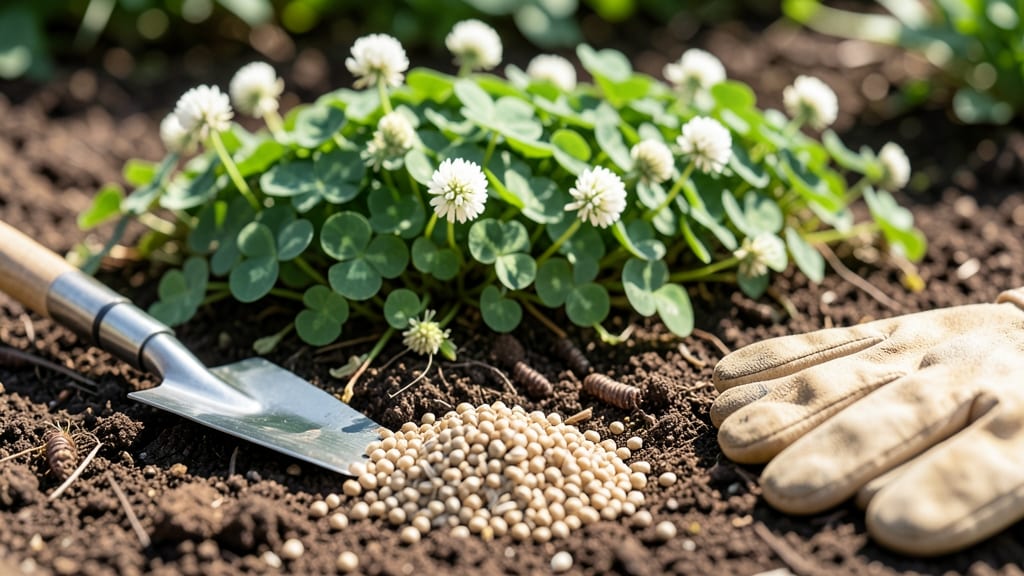
Timing your clover planting in spring could be the game-changer for your lawn this year. Whether you're aiming for a lush green carpet or natural nitrogen-rich soil, getting those seeds in at the right moment makes all the difference.
The key? Waiting until soil temperatures hit that sweet spot of 45-55°F—too early and you risk frost damage, too late and you miss peak germination.
I’ve seen firsthand how a few weeks’ difference can turn a hopeful gardener into a frustrated one. That’s why understanding your USDA zone matters—especially if you're in Zone 6a where spring weather can be unpredictable.
The secret isn’t just about the calendar date; it’s about reading your soil’s signals and knowing when it’s truly ready for 🌱 clover seeds to take root.
What if I told you there’s a simple way to test soil temperature at home? No fancy tools needed—just a thermometer and a little patience. We’ll cover that trick, plus how to prep your soil for faster sprouting and which clover varieties thrive in your region.
Let’s get your spring planting strategy locked in for success.
From adjusting for late frosts to choosing the right seed-to-soil depth, you’ll learn exactly how to set your clover up for bold growth. Whether you’re a seasoned gardener or just starting out, these insights will help you avoid common mistakes and get that vibrant green cover growing in record time.
Optimal soil temperature for planting clover in spring (science-backed guide)
Clover seeds need consistent warmth to germinate, but planting too early in chilly soil can leave them dormant for weeks. The ideal soil temperature range for clover germination is 45-55°F (7-13°C), where seeds typically sprout within 10-21 days.
Below 40°F (4°C), germination slows dramatically, while above 60°F (15°C), seeds may dry out before sprouting.
Most gardeners in USDA Zones 5-8 should wait until late April or early May when daytime highs consistently reach 60°F (15°C) and soil stays above 50°F (10°C) at 2-inch depth. In cooler zones (3-4), aim for mid-May to early June to avoid frost damage to young seedlings.
To test your soil temperature at home, use a soil thermometer (available for $10-$15). Insert it 2 inches deep in the ground on a shady, non-windy day between 10 AM and 2 PM for the most accurate reading.
If your soil is still below 50°F (10°C), wait 1-2 weeks before planting.
Planting clover too early risks seed rot from cold, wet soil, while waiting too long can lead to competition from weeds that germinate faster. The sweet spot is when your local last frost date has passed and soil has warmed enough for consistent germination.
For northern climates (Zones 3-4), consider using a black plastic mulch to warm soil by 5-10°F faster. Simply lay 1-inch thick black plastic over the planting area 1-2 weeks before sowing to accelerate soil warming. Remove it immediately after planting to prevent overheating.
In southern regions (Zones 9-10), where soil warms quickly, plant white clover in late winter (February) to establish before summer heat arrives. Red clover, which prefers cooler temperatures, should go in early spring (March) to avoid bolting (premature flowering) from heat stress.
🌱 Clover Germination Success Factors
| Factor | Ideal Condition | Result |
|---|---|---|
| Soil Temperature | 45-55°F (7-13°C) | Germination in 10-21 days |
| Moisture Level | Consistently damp | Uniform sprouting |
| Sunlight | Full sun (6+ hours) | Strong root development |
| pH Level | 6.0-7.0 | Optimal nutrient uptake |
| Planting Depth | ¼ inch deep | Even emergence |
"Perfect conditions mean 80%+ germination rates within 3 weeks."
If your soil stays below 50°F (10°C) into late spring, try starter fertilizer with phosphorus (P) to encourage root growth. A 5-10-10 NPK ratio applied at planting time can help clover establish 20% faster in cool conditions.
Just sprinkle ½ cup per 10 sq ft and lightly rake into the top inch of soil before sowing.
For organic gardeners, mix composted manure or worm castings into the soil before planting. These add beneficial microbes that help clover seeds break dormancy naturally. Aim for a 1-inch layer worked into the top 6 inches of soil 2-3 weeks before planting.
Remember: Patience pays off with clover. While fast-growing grasses like rye can sprout in 5-7 days, clover takes 2-3 weeks to show its first green leaves. Keep soil moist but not soggy during this time, and you'll see those signature trifoliate leaves within 30 days of proper planting.
When to plant clover in spring: regional planting calendar by USDA Zone
Planting clover at the right time in spring depends heavily on your USDA zone. In Zone 6a, where I garden, the window is narrow—typically between mid-April and early May. But if you live in Zone 3 or Zone 10, your timing will differ significantly.
The key is to align planting with your last frost date and soil temperature trends, not just calendar dates.
For cooler climates like Zones 3-5, aim for early spring planting as soon as soil warms to 45°F. In warmer zones (Zones 7-10), you can push planting into late spring or even early fall when temperatures stay mild.
The goal is to avoid planting when soil temps drop below 40°F or exceed 80°F, as both extremes stunt germination.
Here’s a quick rule of thumb: Plant white clover (like Dutch clover) slightly earlier in spring for faster establishment, while red clover (like Crimson clover) thrives with a later start. Regional microclimates matter too—southern slopes warm faster than shaded areas, so adjust accordingly.
🌱
| USDA Zone | Ideal Planting Window | Soil Temp Requirement | Best Clover Variety |
|---|---|---|---|
| Zones 3-5 | Late April to mid-May | 45-50°F | White Clover (Dutch) |
| Zones 6-8 | Mid-April to early June | 50-55°F | Mixed Clover (White + Red) |
| Zones 9-10 | October to early November | 55-65°F | Red Clover (Crimson) |
If you’re in Zone 6a like me, I recommend planting white clover in early May after the last frost. Use a soil thermometer to confirm temps hit 50°F consistently for 3-5 days.
For red clover, wait until late May when soil is warmer to encourage faster flowering—ideal for late-summer nitrogen boosts.
Pro tip: In unpredictable zones (like Zone 6b), stagger planting dates. Sow half your seeds in early May and the rest in early June. This hedges against late frosts or dry spells that can delay germination.
Just remember, clover seeds need consistent moisture to sprout, so plan for regular watering after planting.
For gardeners in Zones 3-5, consider a clover cover crop mix with alfalfa for extra hardiness. In Zones 9-10, fall planting is often more reliable than spring, as winter rains help establish roots before summer heat sets in.
🌿