
Plants
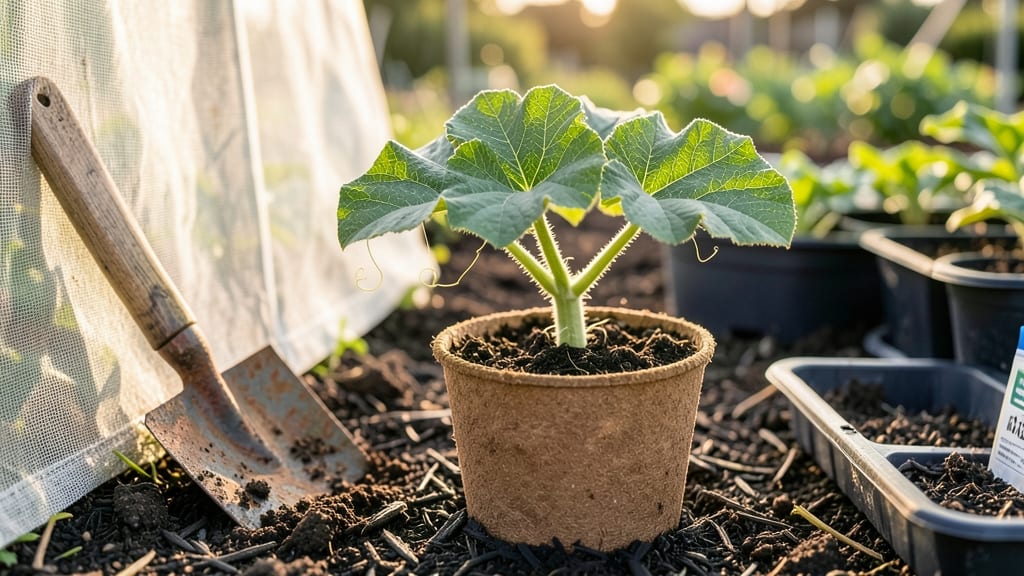
Planting cantaloupe in Florida isn't just about picking a month—it's about reading your soil like a weather forecast. That 70°F soil temperature mark isn't just a number; it's the difference between seeds that pop and ones that pout.
I've watched cantaloupe 🍈 vines struggle when planted too early, only to thrive when given the right conditions, and I'm here to share the science behind Florida's two perfect windows.
Most gardeners in 8a-11 zones know spring is ideal, but did you realize late summer offers a second chance? The key lies in avoiding those sweltering mid-summer days when even the hardiest seeds can't catch a break.
We'll break down exactly when to start seeds indoors versus direct-sowing outdoors, so you're not left guessing whether your cantaloupe will bolt or blossom.
What if I told you the secret to perfect germination isn't just about timing but also about soil prep? Florida's sandy soils can be tricky—too dry, and your seeds won't wake up; too wet, and they'll drown before they begin.
I'll show you how to create the perfect microclimate for your cantaloupe, whether you're in North Florida's cooler pockets or South Florida's steamy lowlands.
Ready to grow cantaloupe that's sweeter and more abundant than ever? Let's dive into the exact planting calendar, soil temperature tricks, and pro tips that will have your vines spreading like a golden carpet—not just surviving, but thriving in Florida's unpredictable climate.
Ideal soil temperature ranges for planting cantaloupe in Florida
Cantaloupe thrives in Florida’s warm climate, but soil temperature is the secret to unlocking strong germination and vigorous growth. Unlike northern states, Florida’s frost-free zones (8a-11) let you plant year-round—but timing matters for seedling success.
The magic window starts when soil hits 50°F-60°F, with optimal growth at 70°F+. Below 50°F, seeds rot; above 90°F, they dry out before sprouting.
Florida’s microclimates shift planting windows dramatically. North Florida’s cooler springs (think Jacksonville or Gainesville) may need to wait until April, while South Florida’s Miami or Fort Myers can start as early as January.
Central Florida (Orlando, Tampa) splits the difference, aiming for February-March. A soil thermometer is your best tool—rent one for $10 or grab a cheap digital model to avoid guesswork.
Here’s how Florida’s regions compare for cantaloupe planting:
Pro tip: Use black plastic mulch to warm soil faster in cooler regions. Lay it down 2–3 weeks before planting to raise soil temps by 5–10°F. In South Florida, shade cloth (30–50%) can protect seedlings from intense midday sun while keeping roots cool.
Both tricks let you plant 2–4 weeks earlier than the calendar suggests.
For container gardening, soil heats up faster—aim for 70°F+ in pots to avoid stunted growth. Fill containers with well-draining mix (60% potting soil, 30% compost, 10% perlite) and place them in full sun. Monitor soil moisture closely; containers dry out 3x faster than ground beds.
Ever wonder why your cantaloupe seeds won’t sprout despite warm air? The answer is almost always cold soil. Air temperature ≠ soil temperature—especially after rain. Stick a thermometer 2 inches deep (where roots form) to get the real picture.
If it’s below 60°F, wait or use a seedling heat mat ($15–$25) for 10–14 days to jumpstart germination.
Florida’s late summer (August–September) offers a second planting window for fall harvests. This works best in North and Central Florida, where cooler autumns extend the growing season.
South Florida’s heat lingers too long, so focus on shade-cloth-covered beds or elevated rows to keep roots cool. Aim to harvest by November before humidity spikes again.
One common mistake? Planting cantaloupe in overly rich soil. Too much nitrogen = leafy vines, no fruit. Florida’s sandy soils often need compost or aged manure to balance nutrients. Test your soil (free at UF/IFAS Extension offices) and amend to a pH of 6.0–6.8.
Cantaloupes hate soggy roots, so raise beds or use gravel-filled trenches in heavy clay areas.
Remember: Soil temperature > air temperature for germination. Use these tricks to sync your planting with Florida’s climate—no more wasted seeds or half-hearted vines! 🌱
Florida-specific planting calendar: month-by-month breakdown
Florida’s frost-free climate gives cantaloupe growers two prime planting windows—spring and late summer—but the exact timing varies dramatically by region. In North Florida (Zones 8a-8b), where cooler pockets linger, aim for mid-March to early April for spring plantings.
Meanwhile, Central Florida (Zones 9a-9b) gardeners can start as early as late February, while South Florida (Zones 10a-11) enjoys a January-February window.
For late-summer plantings, the magic window shifts to mid-August to early September across most of Florida. This timing lets cantaloupe escape the brutal June-July heat while still maturing before winter’s chill sets in.
I’ve seen firsthand how cantaloupe planted in late July often struggles with heat stress, while those sown in August thrive with fewer pests and better moisture retention.
Here’s how to adjust for your specific Florida region using this month-by-month guide:
| Region | Spring Planting Window | Late Summer Planting Window | Key Consideration |
|---|---|---|---|
| North Florida (Zones 8a-8b) | Mid-March to early April | Mid-August to early September | Wait for soil to warm above 70°F; use row covers for cooler nights. |
| Central Florida (Zones 9a-9b) | Late February to early March | Late August to early September | Monitor humidity; late summer plantings benefit from afternoon shade. |
| South Florida (Zones 10a-11) | January to early February | September to early October | Avoid hurricane season (June-Nov); prioritize well-draining soil. |
If you’re planting in January or February (common in South Florida), use black plastic mulch to warm the soil faster and prevent fungal diseases from Florida’s damp winters. For late-summer plantings, I recommend shade cloth (30-50%) during the hottest afternoons to protect young seedlings from heat stress and wilting.
Pro tip: In North Florida, where nights can still dip below 60°F in March, use row covers or cold frames to create a microclimate. I’ve seen cantaloupe seedlings emerge in just 5-7 days with this extra protection, compared to 10+ days without it.
The key is balancing warmth with airflow to avoid seed rot.
Remember, Florida’s unpredictable weather means flexibility is key. If a cold front delays your spring planting, don’t stress—just shift to late March and use seed soaking (soak seeds in warm water for 4 hours before planting) to jumpstart germination.
The goal is consistent soil temps above 70°F, not a rigid calendar.
🌱