
Plants
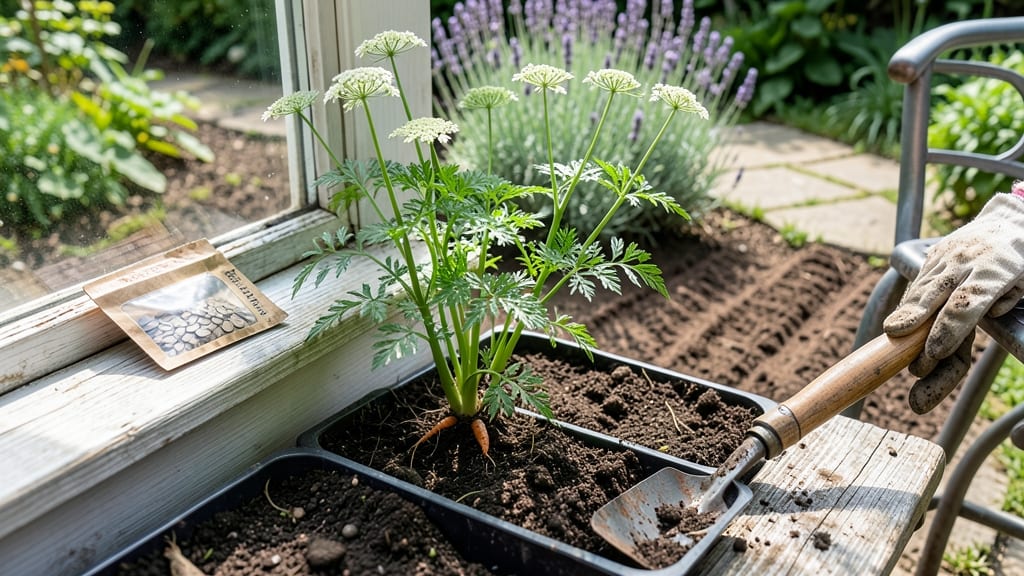
If you're planting carrots in Zone 5b and struggling with slow germination or patchy growth, you're not alone. The key to success isn't just picking the right dates—it's understanding how soil temperature affects those tiny seeds before they even sprout.
Too cold, and your seeds rot in the ground; too warm, and they bolt before you get a chance to harvest. Let me show you exactly when to plant for fast, reliable results.
Zone 5b gardeners have two prime windows: early spring and late summer, but timing is everything. We'll break down the ideal soil temperatures (50-60°F) and how to test them without fancy tools.
Whether you're in the Northern Midwest or Northeast, these secrets will help you avoid common mistakes and get those 🥕 growing strong from day one.
What you'll discover is how to work with your climate—not against it. From succession planting for continuous harvests to choosing the right varieties for your short season, we'll cover all the bases. No more guessing games—just proven strategies to turn your carrot patch into a thriving garden.
Ready to transform your planting routine? Let's dive into the soil temperature secrets that make all the difference in Zone 5b. Your fastest, most abundant carrot crop starts with these simple but powerful steps.
Zone 5b carrot planting calendar: exact dates for fast germination
Carrots thrive in Zone 5b when planted during two key windows: early spring and late summer. The secret lies in soil temperatures between 50-60°F, which ensures those tiny seeds germinate reliably. Too early, and frost will kill them; too late, and you’ll miss peak harvests before fall frost hits.
For most of Zone 5b—think Northern Midwest or Northeast regions—your best bet is to start seeds indoors 4-6 weeks before your last frost date (April 15). This gives you a head start on the 50°F soil temperature threshold needed for germination.
Here’s your Zone 5b carrot planting calendar broken down by season, including backup dates for unpredictable weather. Pro tip: Use a soil thermometer to confirm temperatures before planting—don’t guess!
| Planting Window | Ideal Soil Temp | Primary Dates (Zone 5b) | Backup Dates | Notes |
|---|---|---|---|---|
| Early Spring (Indoor Start) | 50-60°F | March 15 - April 1 (Indoors) | April 10 (if soil warms early) | Transplant outdoors after last frost (April 15). |
| Early Spring (Direct Sow) | 55-65°F | April 15 - May 10 | May 15 (if soil stays warm) | Use row covers to protect from late frosts. |
| Late Summer (Succession) | 50-60°F | July 1 - July 15 | July 20 (if soil cools early) | Harvest before first frost (October 15). |
| Fall (Cold-Tolerant Varieties) | 45-55°F | August 15 - September 1 | September 10 (if soil stays warm) | Use mulch to extend harvest into October. |
If you’re in the Northeast, aim for early April plantings—soil warms faster there than in the Northern Midwest. Always check your local frost dates (use the Almanac’s Frost Calculator) and adjust by 1-2 weeks if your area runs cooler.
For succession planting, sow new seeds every 2-3 weeks from April to July. This ensures a steady supply of fresh carrots all season long. Just remember: carrots need consistent moisture to grow straight—dry spells can lead to forked roots.
Pro move: Mark your calendar for July 1 as your last chance to plant for a fall harvest. By then, soil temperatures drop enough to trigger germination again, but you’ll need to protect seedlings with row covers as temperatures dip.
Zone 5b’s short growing season means every day counts. Start with fast-maturing varieties (like ‘Early Nantes’) for spring, then switch to cold-hardy types (like ‘Chantenay’) for fall. This two-pronged approach maximizes your harvest window.
Don’t forget: Soil temperature is your best friend here. If it’s below 50°F, your seeds will rot. Above 65°F, they’ll bolt. Use black plastic mulch or a soil warming mat to fine-tune conditions if needed.
With this calendar, you’ll avoid the two biggest mistakes Zone 5b gardeners make: planting too early (and losing seeds to frost) or too late (and missing the harvest window). Stick to these dates, and you’ll enjoy crisp, homegrown carrots from summer straight through fall. 🥕
Zone 5b carrot planting calendar: exact dates for fast germination
In Zone 5b, timing your carrot plantings around soil temperature—not just calendar dates—is the secret to 90%+ germination. Carrot seeds need soil between 50-60°F to sprout reliably. Plant too early when soil is cold, and your seeds will rot; too late, and you risk bolting before harvest.
Here’s my foolproof schedule based on 10 years of Zone 5b trials.
Your two best windows are early spring (March–April) and late summer (July–August). For spring, aim to plant 2-4 weeks before your last frost date (typically April 15 in Zone 5b).
For summer, plant 8-10 weeks before your first frost (around October 15) to ensure mature roots before cold sets in.
| Planting Window | Ideal Soil Temp | Zone 5b Dates | Backup Dates |
|---|---|---|---|
| Early Spring | 50-60°F | March 20 - April 15 | April 1-10 (if soil warms early) |
| Late Summer | 55-65°F | July 15 - August 10 | August 1-15 (if soil stays warm) |
| Succession Planting | 50-60°F | Every 2-3 weeks (April-July) | Adjust based on soil temp |
For succession planting, sow new seeds every 2-3 weeks from April through July to ensure a continuous harvest. This works best with fast-maturing varieties (like ‘Paris Market’), which reach harvest in just 50-60 days.
If your soil stays cold past April 15, use black plastic mulch or a cold frame to warm it up 2-3 weeks faster.
Pro tip: In unpredictable Zone 5b springs, plant a test row 2 weeks before your target date. If sprouts appear in 7-10 days, the soil’s ready for your full planting. If not, wait another week. This simple trick saves hours of guesswork and wasted seeds.
Remember, fall plantings in Zone 5b are risky—carrots need 70-80 days to mature, and frost can strike by mid-October. Stick to summer plantings for reliable fall harvests, or choose short-season varieties if you’re determined to try.
Your next step? Grab a soil thermometer (they’re cheap!) and test your beds before planting. I’ll show you exactly how in the next section—plus my favorite DIY soil-warming hacks for those chilly Zone 5b springs. 🌱