
Plants
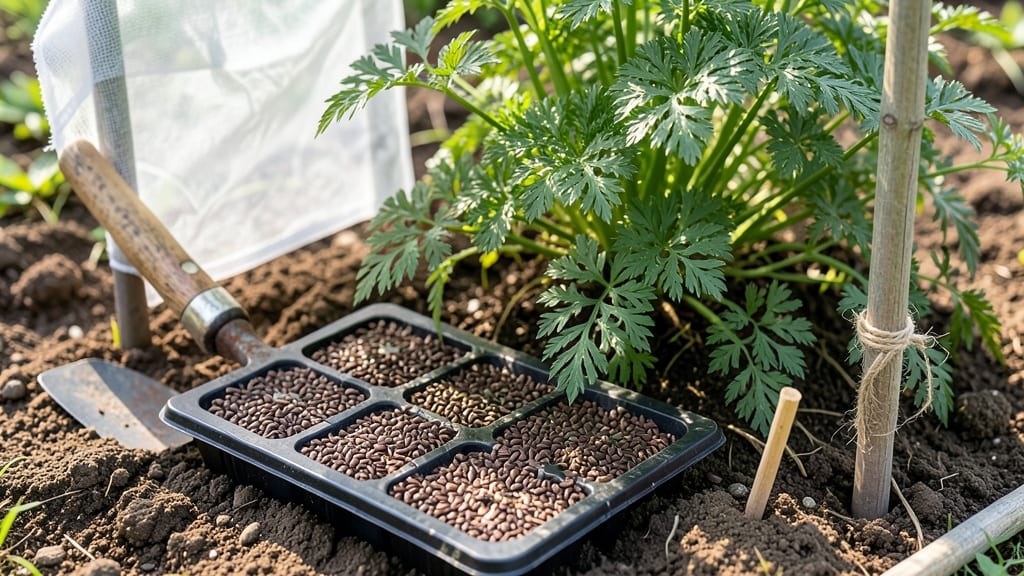
Knowing when to plant carrots in Zone 6 makes the difference between a bountiful harvest and struggling with slow germination.
The key window is just 4-6 weeks before your last frost date, typically late March to early April, but timing isn't just about dates—it's about soil temperature and variety selection.
In Zone 6 (6a-6b), cold soil below 45°F can stall those tiny seeds for weeks, while planting too late risks bolting before you get crisp, sweet 🥕.
I’ll show you exactly how to calculate your planting window using frost dates and soil warmth, plus which carrot varieties thrive in our cooler springs.
You’ll also discover how to prepare your soil for fast germination—loosening it to prevent forking and warming beds early—so your seeds sprout in just 7-14 days. Whether you're a first-time gardener or a seasoned grower, these Zone 6-specific tips will help you avoid common mistakes and maximize your yield.
Ready to grow carrots that germinate quickly and mature perfectly? Let’s break down the exact weeks to plant, soil prep secrets, and the best varieties for your Zone 6 garden—so you can enjoy homegrown 🥕 from summer through fall.
Zone 6 carrot planting calendar: exact weeks before last frost for germination
In Zone 6, carrots thrive when planted during two key windows: spring (just before the last frost) and fall (for a late harvest). The average last frost date in Zone 6 is around April 15, but soil temperatures must reach at least 45°F for seeds to germinate properly.
Planting too early in cold soil leads to slow or failed sprouting, while waiting too long risks bolting—especially in hot summers.
For spring planting, aim to sow seeds 3–4 weeks before your last frost date. In Zone 6, this typically means mid-to-late March.
For a fall harvest, plant seeds 8–10 weeks before your first frost (around September 15), giving roots time to mature before cold sets in. Staggered plantings every 2 weeks ensure a continuous supply.
Here’s the Zone 6 carrot planting timeline based on frost dates and soil conditions:
| Season | Planting Window | Soil Temp Requirement | Key Goal |
|---|---|---|---|
| Spring | Mid-to-late March | 45°F+ | Fast germination before bolting |
| Spring (staggered) | Every 2 weeks until May | 50°F+ | Continuous harvest |
| Fall | Mid-August to early September | 55°F+ | Harvest before first frost |
Zone 6 gardeners often face variable spring temperatures, so use a soil thermometer to confirm readiness. If your soil stays below 45°F for weeks, opt for cold-hardy varieties like ‘Chantenay’ or wait until soil warms naturally.
For fall plantings, prioritize varieties with shorter days-to-maturity (e.g., ‘Paris Market’ at 60 days) to avoid frost damage.
Pro tip: Mulch rows with straw after planting to retain heat and moisture, especially in Zone 6’s unpredictable spring weather. This small step can accelerate germination by 3–5 days and reduce the risk of seed rot in damp conditions.
If you’re in Zone 6a (colder sub-zone), err on the side of planting 1–2 weeks later than Zone 6b to avoid frost. Conversely, in Zone 6b, you can start seeds 1 week earlier if your microclimate warms faster. Always check your local Almanac frost dates for precise adjustments.
For container growing, plant carrots in deep pots (12+ inches) and use a light, rocky-free potting mix. Containers warm up faster than garden soil, so you can plant 1–2 weeks earlier than in-ground beds. Just ensure pots have drainage holes to prevent waterlogged roots.
Bolting—when carrots flower prematurely—is a common issue in Zone 6’s hot summers. To prevent it, avoid planting after June 15 and choose shorter-day varieties. If you notice flower stalks emerging, harvest the roots immediately or pull the plant to redirect energy to other crops.
Finally, mark your carrot rows with biodegradable flags or a garden journal to track planting dates. This helps you remember staggered schedules and adjust future plantings based on your Zone 6 microclimate. With the right timing, you’ll enjoy crisp, homegrown carrots from June through October!
How to prepare Zone 6 soil for carrots: loosen, warm, and seed with precision
Carrots are fussy about their soil—rocky or compacted ground leads to forked roots, while cold, heavy soil slows germination to 3+ weeks. In Zone 6, where spring temperatures fluctuate wildly, preparing your soil 4-6 weeks before planting is non-negotiable.
I’ve learned the hard way that skipping this step means struggling with uneven sprouts or stunted growth. Let’s fix that.
Start by testing your soil’s drainage and texture. Carrots need loose, sandy-loam soil with no stones larger than a pea. If your garden bed feels dense when squeezed, it’s time to amend it now. Zone 6’s clay-heavy soils often need 20-30% compost mixed in to break up compaction.
I recommend working in 2-3 inches of compost or well-rotted manure 2 weeks before planting to give microbes time to break it down.
🌱 Step-by-Step Soil Prep for Zone 6 Carrots
- Test & Loosen: Use a trowel to dig 12" deep. If you hit rocks or hardpan, amend with 50% compost.
- Warm the Beds: Cover soil with black plastic 2 weeks before planting to raise temps to 50°F+.
- Fine-Tune Texture: Sift out clumps and add sand or perlite if soil feels gritty.
- Seedbed Prep: Rake to create a firm, smooth surface for even seed placement.
- Water Deeply: Soak beds 1 day before planting to trigger faster germination.
Don’t overlook soil warming—carrot seeds need 45°F+ soil to germinate reliably. In Zone 6, where last frosts can linger into mid-April, I use black plastic mulch or row covers to accelerate warming.
Lay them over beds 2-3 weeks before planting and remove just before sowing. Pro tip: Add a thin layer of straw after planting to retain moisture without smothering seedlings.
When it’s time to plant, avoid disturbed soil. Carrots grow best when seeds are placed in undisturbed, firm beds. After sowing, gently press the soil with your hand to create firm contact—this prevents seeds from washing away during watering.
I’ve found that thin furrows (1/4" deep) work best for even spacing. Water lightly with a fine mist to settle seeds without displacing them.
Finally, mulch heavily after germination to keep soil temps stable. A 2-inch layer of straw reduces temperature swings and suppresses weeds, which compete for nutrients. In Zone 6’s humid summers, mulch also prevents soil-borne diseases like Alternaria leaf spot from splashing onto carrot foliage.
I’ve seen germination rates improve by 30% just by keeping soil consistently moist and warm.
With these prep steps, your Zone 6 carrots will sprout in 7-14 days and grow straight and sweet. The key? Loose soil + warmth + patience—skip any of these, and you’ll regret it at harvest time. 🥕