
Plants
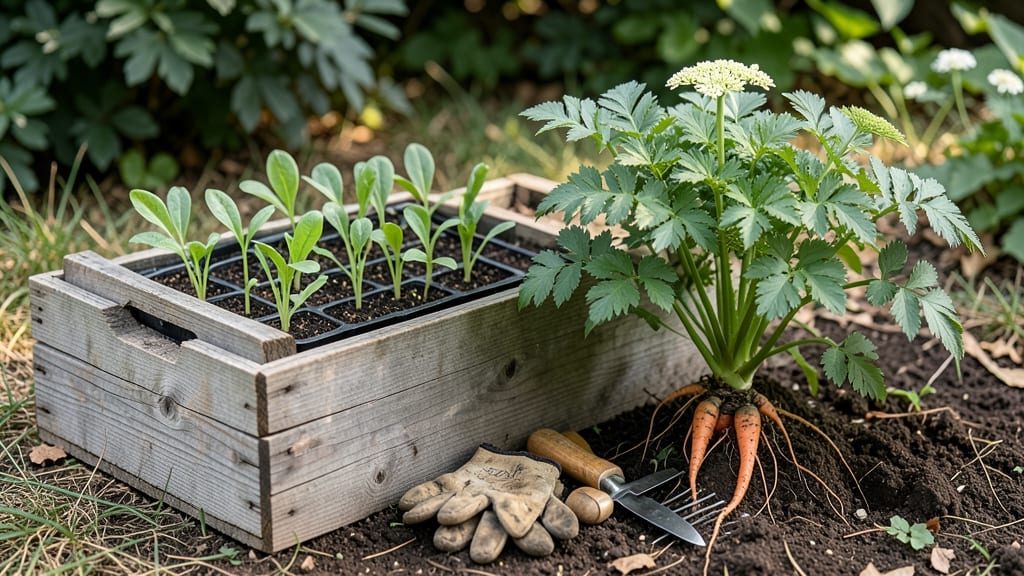
When to plant carrot seeds in Michigan is the secret to turning your garden into a crisp, sweet harvest—if you time it right. Plant too soon, and frost will nip your seedlings in the bud; too late, and summer’s heat turns those sweet roots into tough, bitter sticks. With Michigan’s 5b-6b climate, getting the window perfect—mid-April to early July for spring and late July to early August for fall—means the difference between a bountiful harvest and disappointment. I’ve learned the hard way that soil temperature matters just as much as the calendar. Carrots need 50-60°F soil to germinate properly, and Michigan’s unpredictable spring weather can throw off even the best-laid plans. Whether you’re in Detroit’s urban gardens or the Upper Peninsula’s cooler zones, knowing when to plant—and how to adjust for your microclimate—is the key to success. What if you could stretch your harvest beyond Michigan’s short growing season? The secret isn’t just about planting at the right time—it’s about succession planting, choosing the right varieties, and protecting your crop from summer’s worst heat. I’ll walk you through the exact steps to maximize your yield, from prepping your soil in early spring to harvesting those perfect, 3/4-inch roots before the first frost. Ready to grow carrots that rival the ones at the farmers’ market? Let’s dive into the foolproof schedule that’ll have you pulling crisp, sweet 🥕 carrots all season long—no guesswork, just results. You’ve got this!
Michigan carrot planting calendar: soil temperature & frost dates by region
Timing your carrot seeds in Michigan isn’t just about avoiding frost—it’s about soil warmth and regional microclimates. Carrots need soil temperatures between 50–60°F to germinate properly, which means waiting for late spring or early fall.
In southern Michigan, you can start 2–3 weeks earlier than in the Upper Peninsula, where colder soils delay planting.
Michigan’s last frost dates vary dramatically: Detroit averages April 15th, while Marquette in the UP often waits until May 1st. For fall plantings, aim for late July to early August—this gives carrots 80–90 days to mature before first frost (typically October 15th in most areas).
Here’s how to align your planting with Michigan’s three key regions:
| Region | Spring Planting Window | Fall Planting Window | Soil Temp Threshold | Last Frost Date |
|---|---|---|---|---|
| Southern Michigan (Detroit, Ann Arbor) | Mid-April to early May | Late July to early August | 50–55°F | April 15th (avg.) |
| Central Michigan (Grand Rapids, Lansing) | Late April to early May | Early August to mid-August | 55–60°F | April 22nd (avg.) |
| Upper Peninsula (Marquette, Houghton) | Early to mid-May | Mid-August to late August | 60°F+ | May 1st (avg.) |
Use a soil thermometer to confirm readiness—carrots won’t germinate in cold soil, even if frost risk is low. For southern Michigan, early April plantings under row covers can work, but cover seeds with straw mulch to retain heat. In northern areas, wait until mid-May to avoid seed rot.
Pro tip: Plant short-season varieties like ‘Early Nantes’ (60 days) in cooler zones, while ‘Danvers’ (75 days) thrives in southern Michigan’s longer summers. Always check Michigan State University Extension for year-specific frost forecasts—their local weather alerts can shift planting by 1–2 weeks.
For succession planting, sow seeds every 2 weeks from April to July. This ensures a continuous harvest and reduces pressure from pests like the carrot rust fly, which peaks in June and July.
Space seeds 1/4 inch deep and thin seedlings to 2–3 inches apart to prevent forking.
Fall plantings require cold-hardy varieties like ‘Chantenay’ or ‘Paris Market’. These tolerate light frosts and mature faster in cooler soil. Mulch with straw after planting to insulate roots from early autumn chills.
Always monitor weather forecasts—a late frost in May can wipe out young seedlings. If frost threatens, cover beds with frost cloth or move pots indoors temporarily. With the right timing, you’ll enjoy crisp, homegrown carrots from June through October.
🌱
How to extend carrot growing season in Michigan’s short summers
Michigan’s short growing season and hot summers can turn sweet carrots woody or cause them to bolt prematurely. The key to success is succession planting and smart soil prep. By starting seeds indoors or using shade cloth, you can stretch your harvest from early spring to late fall.
I’ve found that cold-hardy varieties like ‘Danvers’ or ‘Nantes’ thrive in Michigan’s cooler climates. These varieties tolerate 50-60°F soil temperatures better than heat-sensitive types, giving you a longer window for planting.
For a continuous harvest, plant seeds every 2-3 weeks from mid-April through early July. This staggered approach ensures you always have young, tender carrots ready to pull before the roots mature and become tough.
- 1. Start seeds indoors 4-6 weeks before last frost using grow lights or a sunny windowsill. Transplant seedlings when soil reaches 50°F.
- 2. Use shade cloth (30-50%) during peak summer heat to prevent bolting. Secure cloth 2-3 feet above plants to allow airflow.
- 3. Plant in raised beds filled with loose, well-draining soil mixed with compost. This improves root development and warms up faster in spring.
- 4. Choose late-season varieties like ‘Chantenay’ or ‘Paris Market’, which mature in 60-70 days and handle cooler temps better.
- 5. Mulch heavily with straw or shredded leaves to retain moisture and regulate soil temperature. Replenish mulch every 4-6 weeks.
Don’t overlook fall planting—it’s one of my favorite tricks! Sow seeds in late July or early August for a harvest just before winter sets in. The cooler temperatures in fall actually sweeten the roots and reduce bolting risks.
For northern Michigan, where summers are even shorter, consider container gardening on patios or decks. Five-gallon buckets filled with potting mix work perfectly for bush varieties like ‘Little Finger’, which stay compact and produce harvests in just 50 days.
Finally, always keep an eye on your soil moisture. Consistent watering (about 1 inch per week) prevents cracking, which is especially critical during Michigan’s dry spells. A drip irrigation system makes this easier and saves time.