
Plants
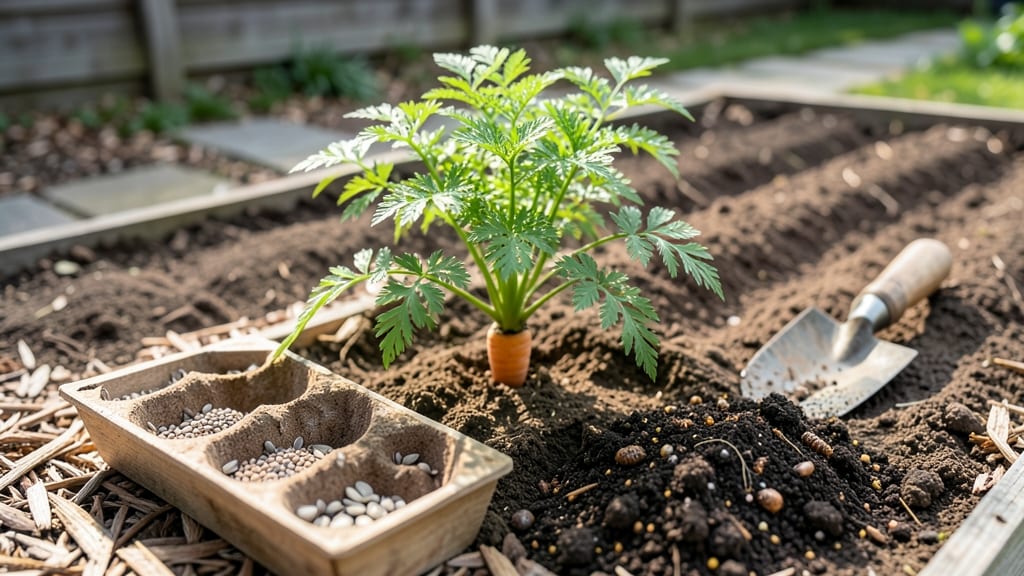
Timing your spring carrot planting just right can mean the difference between a thriving garden and a frustrating wait for sprouts. In USDA Zone 6a, where frosts linger until mid-April, planting too early risks seed rot, while waiting too long invites pests to steal your harvest.
The key? Understanding soil warmth triggers—when temperatures hit 45°F–65°F, those tiny 🥕 seeds finally wake up and germinate.
Most gardeners aim to sow carrots 2–4 weeks before the last frost, but that window shifts based on your microclimate. Cold frames or row covers can push your start date earlier, while hot springs might demand a later planting.
I’ll break down how to read your soil’s signals—no fancy tools required—so you can time it perfectly for faster germination and fewer wasted seeds.
Whether you’re a first-time gardener or a seasoned pro, getting this right saves you from the heartbreak of patchy rows or bolting plants. We’ll also tackle common pitfalls like compacted soil or overwatering, which can turn your patience into frustration.
By the end, you’ll know exactly when to grab those seed packets and start growing carrots that’ll outshine the grocery store variety.
Ready to ditch the guesswork? Let’s dig into the science—and soil secrets—that’ll give your carrots the fast start they deserve. Your crisp, sweet harvest is just a few weeks away if you plant at the right moment.
The ideal soil temperature for planting carrots in spring
Carrots are finicky about timing—plant them too early in cold soil, and your seeds will rot before sprouting. The ideal soil temperature range for carrot germination is between 45°F and 65°F.
Below 45°F, seeds may never sprout, while above 65°F, they can dry out or attract pests. Understanding this window is key to unlocking consistent germination and avoiding common springtime frustrations.
Most gardeners in the U.S. plant carrots 2-4 weeks before the last frost date, but this varies by USDA hardiness zone.
For example, in Zone 3 (extreme cold), aim for late May when soil warms to 50°F. In Zone 10 (mild winters), you can start as early as February.
The trick is to time planting when soil reaches 50°F for at least 10 days—this ensures seeds stay moist and germinate reliably.
Testing soil temperature is simpler than you think. Use a soil thermometer (insert 2 inches deep) or try the DIY moisture test: press your finger into the soil.
If it feels cool and damp (not icy), it’s likely in the 45°F–65°F range. Seed packets often list optimal temperatures—always check before planting!
Regional differences matter. In the Pacific Northwest, where spring is wet and cool, wait until late April. In the Southeast, where soil warms faster, you can start in February.
Even within the same state, microclimates (like urban heat islands) can shift planting windows by 2–3 weeks. Pay attention to local frost dates and adjust accordingly.
| USDA Zone | Soil Temp. Threshold | Planting Window | Notes |
|---|---|---|---|
| Zones 1–3 | 50°F+ (10+ days) | Late May–Early June | Use row covers for earlier starts. |
| Zones 4–6 | 48°F+ (7+ days) | Mid-April–Early May | Cold frames extend season by 3 weeks. |
| Zones 7–9 | 55°F+ (5+ days) | February–March | Succession plant every 2 weeks. |
| Zone 10+ | 60°F+ (3+ days) | January–February | Shade cloth prevents bolting. |
Don’t let last frost dates fool you—soil temperature is the real deciding factor. For example, in Zone 5, frost may lift by April 15, but soil might still be 40°F.
Wait until soil hits 50°F consistently before planting. This patience pays off with uniform germination and fewer seedling losses.
Pro tip: Loosen soil before planting to help it warm faster. Use a broadfork or tiller to break up compacted layers, which slows heat absorption. Amend with compost or aged manure to improve drainage and warmth retention. Avoid fresh manure—it can overheat seeds and cause rot.
If your soil is still too cold, try warm-starting seeds indoors or use a seedling heat mat (set to 70°F). Transplant seedlings outdoors only after soil warms to 55°F. This method works well for short-season varieties like ‘Paris Market’ or ‘Nantes’.
Remember: Carrots hate cold soil, but they also dislike overheated soil above 75°F. If your area has hot springs, opt for shade cloth or plant in partial shade to keep roots cool and sweet. Balance is everything!
The ideal soil temperature for planting carrots in spring
Carrot seeds need consistent warmth to germinate, and the ideal soil temperature range is between 45°F–65°F. Below 45°F, seeds rot; above 65°F, they may sprout too quickly, leading to leggy, weak plants.
In USDA Zone 6a, where last frosts hit mid-April, aim to plant when daytime soil temps stabilize at 50°F+—usually late March to early April.
Your local last frost date is a starting point, but soil warmth matters more. For example, in Zone 3, you might plant in May, while Zone 8 gardeners can start as early as February. Always check 7-day soil forecasts or use a soil thermometer for accuracy.
| Zone | Soil Temp | Planting Window | Key Tip |
|---|---|---|---|
| 3–5 | 50°F–60°F | Late April–May | Use cold frames to start earlier. |
| 6–7 | 45°F–55°F | Late March–April | Test soil moisture daily—dry soil cools faster. |
| 8–10 | 55°F–65°F | February–March | Plant in partial shade to avoid bolting. |
If you lack a thermometer, try the moisture test: Press your finger into the soil. If it feels cool but not icy, it’s likely in the 50°F range.
Alternatively, check your seed packet—most list ideal soil temps. For example, ‘Nantes’ carrots germinate best at 55°F–60°F, while ‘Danvers’ tolerate cooler soils.
Pro tip: Plant shallow trenches (1/2 inch deep) to keep seeds closer to warmer surface temps. Cover rows with straw mulch to retain heat during cool nights. This trick can shave 5–7 days off germination time, especially in Zone 6a.
Remember, consistency is key. Carrot seeds need steady warmth—not just a brief warm spell. If your soil fluctuates between 40°F and 60°F, germination slows dramatically. Use black plastic mulch or row covers to stabilize temps if needed.
Once your soil hits that sweet spot of 50°F+, grab those seeds and get planting! With the right timing, you’ll see sprouts in 7–14 days—not the weeks of waiting that frustrates so many gardeners. 🌱