
Plants
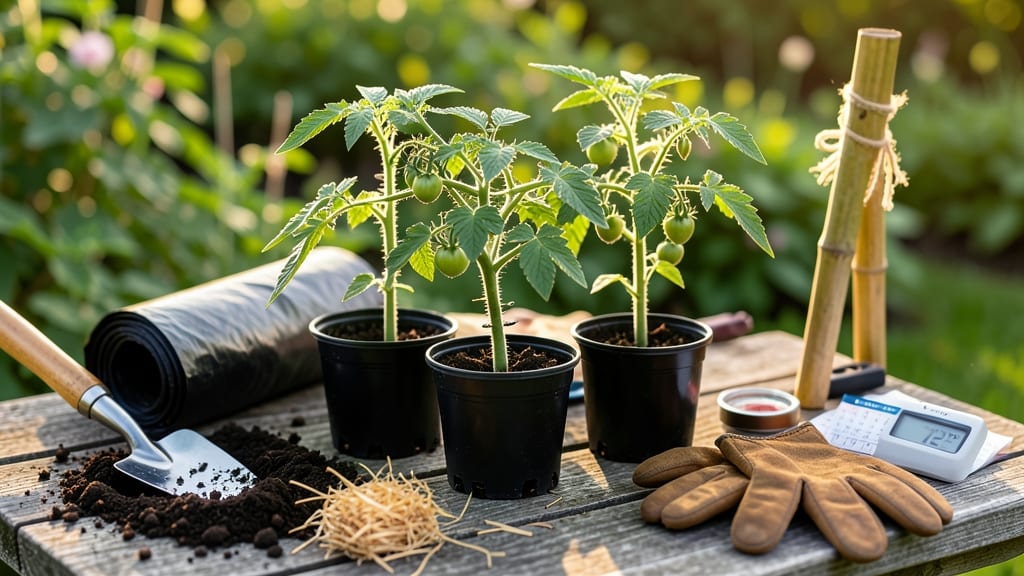
Tennessee’s ideal tomato planting timeline by soil temperature (not just dates)
Tennessee’s USDA zones 6a-7b create a tricky balance for tomato lovers—cool mountain valleys and sweltering urban heat islands can shift planting windows by 3-4 weeks.
While most gardeners focus on last frost dates (typically mid-April in West TN to late April in East TN), soil temperature is the real game-changer. Tomatoes need soil at 60°F+ to germinate consistently, and waiting for 50°F+ risks slow, uneven growth.
I’ve planted tomatoes in Nashville’s urban heat islands and East Tennessee’s Appalachian foothills, and the difference is night-and-day. In Nashville, gardeners can often start seeds indoors by mid-March and transplant by early April—but only if using black plastic mulch to warm the soil.
Meanwhile, in Chattanooga’s cooler microclimates, waiting until mid-May for soil to warm naturally is safer.
Here’s the critical rule: Never plant tomatoes outdoors until the soil temperature stays above 60°F for 5+ days. A soil thermometer (just $10) is your best friend—stick it in the ground at 6-inch depth where you’ll plant.
If you’re impatient (like me!), you can start seeds indoors 6-8 weeks before your target transplant date to get a head start.
Tennessee’s microclimates complicate things further. Urban areas like Memphis and Nashville often hit 60°F soil temps by early April, while mountain regions near Knoxville may not reach that until late May.
Even within cities, south-facing slopes warm faster than north-facing yards. To simplify, I’ve created a region-specific planting timeline based on real data from the Tennessee State University Extension.
🌱
| Region | Last Frost Date | Ideal Transplant Window | Soil Temp Goal | Pro Tip |
|---|---|---|---|---|
| West Tennessee (Memphis, Nashville) | Mid-April | Early April (with mulch) | 60°F+ | Use black plastic mulch to warm soil faster. |
| Middle Tennessee (Nashville, Murfreesboro) | Late April | Mid-April to early May | 60°F+ | Start seeds indoors in March for early transplant. |
| East Tennessee (Knoxville, Chattanooga) | Late April to early May | Late May | 60°F+ | Wait for soil to warm naturally or use row covers. |
| High Elevation (Great Smoky Mountains) | Early to mid-May | Late May to early June | 60°F+ | Choose cold-tolerant varieties like 'Mountain Merit'. |
| Urban Heat Islands (Nashville, Memphis) | Early April | Late March (with protection) | 55°F+ (with row covers) | Use frost cloth for extra protection in early spring. |
If you’re still unsure about your local conditions, check the Tennessee State University Extension’s frost maps or use the National Weather Service’s climate data for your specific county.
For example, Nashville’s average last frost date is April 15, but in 2022, we had a late frost on April 28—so always have row covers ready!
For container gardening in Tennessee, the rules are slightly different. Potted tomatoes heat up faster, so you can transplant 2-3 weeks earlier than in-ground plants. Just ensure your containers have drainage holes
5 Soil temperature tricks to speed up tomato germination in Tennessee gardens
Tennessee’s cool springs can leave your tomato seeds waiting forever—but you can trick the soil into warming faster. The key is soil temperature consistency (aim for 60-70°F for germination). Here’s how to create the perfect heat boost for your seedlings without waiting for Mother Nature.
First, black plastic mulch is my go-to hack. Lay it down 2-3 weeks before planting to absorb sunlight and raise soil temps by 5-10°F. Just
For an instant warmth boost, try compost heating. Spread 2-3 inches of fresh compost over your planting area a week before sowing. The microbial activity generates heat—perfect for jumpstarting slow-starting seeds in Nashville’s urban heat islands where soil warms unevenly.
Black Plastic Mulch
Lay down 2-3 weeks before planting to raise soil temp by 5-10°F. Cut X-shaped holes for transplants.
Compost Heating
Spread 2-3 inches of fresh compost 1 week before sowing. Microbial activity generates natural heat.
Row Covers
Use floating row covers to trap 5-8°F more heat during the day. Remove at night to prevent overheating.
Strategic Planting
Plant near south-facing fences or brick walls that absorb and radiate heat. Avoid shaded areas under trees.
Soil Thermometer Check
Monitor soil temp 2 inches deep—this is where roots will grow. Aim for 60°F+ before planting.
Don’t forget to test your soil temperature before planting. A simple soil thermometer ($10 at garden centers) is worth its weight in faster germination. If temps dip below 55°F, your seeds may rot instead of sprouting.
Pro tip: Water with warm (not hot) water in the morning to give an extra 1-2°F boost to cold soil.
For urban gardeners in Nashville or Memphis, container growing adds another layer of control. Use black pots to absorb heat or place containers on heat-absorbing surfaces like concrete patios. Just ensure pots have drainage holes to prevent waterlogged roots.
🌱