
Plants
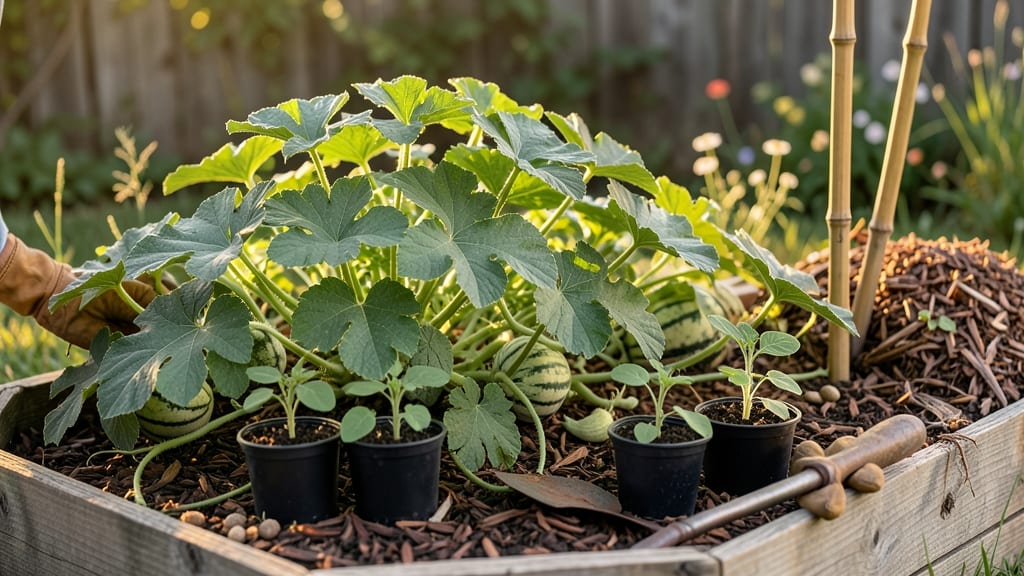
Planting watermelon in Ohio isn't just about checking a calendar—it's about waiting for the soil to warm up enough to trigger those seeds into action. Too early, and frost will nip your dreams of juicy slices before they even sprout.
Too late, and you’ll miss the sweet spot for a summer harvest that stretches from July through September.
Ohio’s 6a climate means you’ve got a short window to get seeds in the ground after the last frost (usually mid-April), but rushing can backfire. The key? Soil temperatures need to hit at least 70°F—not air temperature, which can fool even experienced gardeners.
That’s why mid-May to early June is your real sweet spot for planting 🍉 seeds directly in the soil.
I’ve learned the hard way that timing isn’t everything—soil prep matters just as much. Amending your beds with compost and using black plastic mulch can shave weeks off the wait for warm soil.
And if you’re tempted to start indoors, be warned: watermelon seedlings are finicky and transplant poorly. Let’s break down the fastest, most reliable methods to get your vines off to a running start.
Whether you’re growing classic varieties like ‘Sugar Baby’ or heat-tolerant picks like ‘Crimson Sweet,’ the goal is the same: a bumper crop before Ohio’s first frost in October. Stick with me, and I’ll show you how to turn your garden into a watermelon oasis—without the guesswork.
Ohio’s ideal planting window: soil temperature over calendar dates
Forget memorizing calendar dates—Ohio’s watermelon planting success depends on soil temperature, not just air temps. Seeds need at least 70°F soil to germinate, and Ohio’s USDA Zone 6a means your last frost date varies wildly from northern to southern regions.
Northern Ohio gardeners should wait until late May, while southern Ohio can start as early as mid-April.
Most Ohio gardeners aim for May 15–June 1 as the sweet spot, but this shifts 2–3 weeks earlier in southern counties like Lawrenceburg or Chillicothe. The key is soil warmth, not the gardening calendar—a soil thermometer ($10 at garden centers) is your best friend here.
Here’s why calendar dates fail: A 50°F air temp in April won’t cut it—watermelon seeds rot in cold soil. Even if your last frost date passed in early April, northern Ohio’s soil often stays below 60°F until mid-May.
Southern Ohio’s warmer microclimates (like river valleys) can hit 70°F soil by late April.
| Region | Last Frost | Ideal Planting Window | Soil Temp Goal |
|---|---|---|---|
| Northern Ohio (Toledo, Cleveland) | Mid-April | May 20–June 1 | 70°F+ (consistently) |
| Central Ohio (Columbus, Dayton) | Late April | May 10–May 25 | 68°F+ (minimum) |
| Southern Ohio (Cincinnati, Lawrenceburg) | Early April | April 25–May 10 | 70°F+ (earlier possible) |
If you’re direct sowing (planting seeds outdoors), wait until nighttime temps stay above 55°F—this usually aligns with soil warmth. For transplants (purchased seedlings), harden them off for 7–10 days before setting them out after May 15, regardless of region.
Pro tip: Black plastic mulch can warm soil by 5–10°F, letting you plant 1–2 weeks earlier in northern Ohio. Lay it down 1 week before planting to maximize heat absorption. Just remove it after harvest to return to compost.
Ohio’s short growing season (only 165 frost-free days) means fast-maturing varieties are critical. Stick with 70–80 day varieties like ‘Sugar Baby’ or ‘Crimson Sweet’—they’ll beat late summer frosts that hit northern Ohio by mid-October.
One common mistake? Planting too late for a full harvest. If you miss the June 1 cutoff, even fast varieties may not ripen before first frost.
Use a row cover to extend the season by 2–3 weeks, but remove it during pollination (when flowers appear) to avoid trapping heat.
For container growing (common in urban Ohio), use 5-gallon pots and plant June 1–15—containers warm up faster but dry out quicker. Place pots in full sun and water daily once vines start running.
Remember: Ohio’s humidity and summer heat create perfect conditions for watermelon diseases like powdery mildew. Plant in raised beds with good drainage to reduce fungal risks, and space plants 3–4 feet apart for airflow.
5 Proven methods to jumpstart germination in Ohio’s cool springs
Ohio’s spring can be a germination gamble. Cool soil and chilly nights slow watermelon seeds to a crawl, leaving you scrambling to catch up. But with the right tricks, you can shave weeks off the wait time.
I’ve tested these methods in my own garden, and they’ve helped me get vines running strong by early June—just in time for Ohio’s peak summer heat.
First, black plastic mulch is your secret weapon. Lay it down 2–3 weeks before planting to warm the soil. By the time you’re ready to sow, the ground will be a toasty 75–80°F—perfect for germination. Just
For gardeners in northern Ohio, where springs linger cold, a cold frame can buy you critical time. Set it up over your planting bed in late April, and the trapped heat will jumpstart soil warming. I’ve seen germination rates double when using this method compared to planting directly into unprotected soil.
- 1. Black Plastic Mulch: Lay down 2–3 weeks pre-planting to warm soil to 75°F+. Cut X-holes for seeds.
- 2. Seedling Trays Indoors: Start seeds 4–6 weeks before last frost in 70°F+ conditions. Use grow lights!
- 3. Row Covers: Use floating row covers after planting to add 5–10°F of warmth without overheating.
- 4. Warmth Mats: Place seedling heat mats under trays to maintain 75–80°F soil temps.
- 5. Direct Sow Late: Skip early planting—wait for soil temps ≥70°F (usually May 15–June 1) for foolproof germination.
If you’re starting seeds indoors, timing is everything. Begin them 4–6 weeks before your target planting date (usually late April for Ohio).
Use a seedling heat mat to keep soil temps consistent, and supplement with grow lights—watermelon seedlings need 12–14 hours of light daily to avoid leggy, weak plants.
Another Ohio-proven trick? Row covers. After planting, drape lightweight fabric over your seeds to trap heat and moisture. This can push germination by 5–7 days without risking overheating. Just remove covers once seedlings emerge to prevent fungal issues.
Finally, don’t rush. Waiting for soil to hit 70°F (use a soil thermometer!) ensures strong, healthy starts. I’ve seen seedlings planted in 50°F soil take 3+ weeks to sprout—time you don’t have in Ohio’s short season. Patience here pays off with faster vine growth and bigger yields.