
Plants
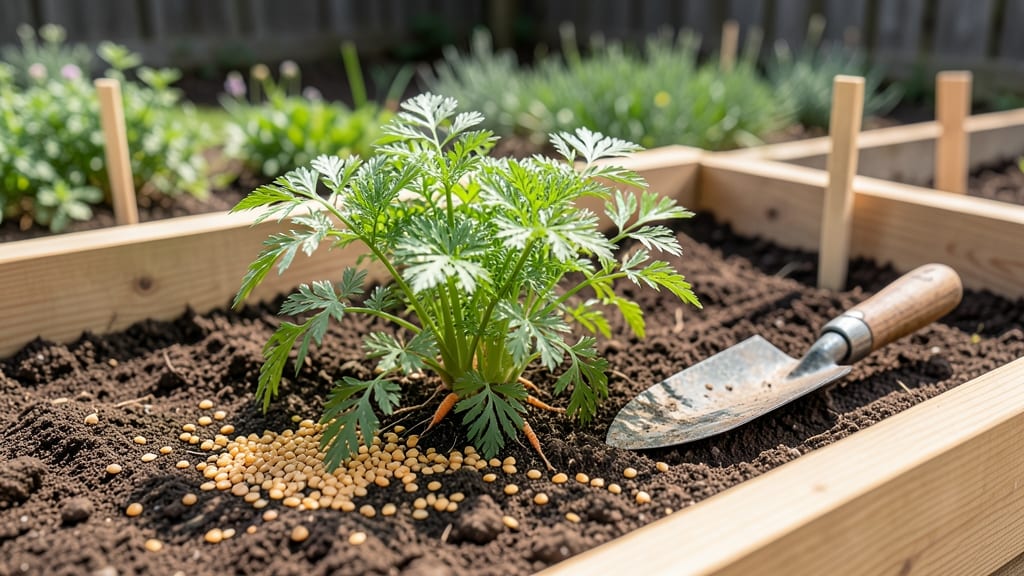
When to plant carrots in East Texas isn’t just about following a calendar—it’s about beating the heat and frost to grow sweet, tender roots. Plant too early, and a late freeze can wipe out your crop; too late, and the summer sun turns them tough and bitter. The key is knowing when soil warms enough to support steady growth without stressing the plants.
In USDA Zone 8a, your best bets are late winter and early fall, when temperatures hover between 50-75°F—perfect for germination and root development.
Whether you're in Tyler, Longview, or near the Gulf Coast, these windows let you avoid the brutal summer heat while still enjoying a fresh harvest before the first frost.
This guide breaks down exactly when to plant for spring and fall crops, how to prep your soil for East Texas' clay-heavy conditions, and which varieties thrive here. No more guessing—just reliable, region-specific advice to turn your garden into a carrot goldmine.
Ready to grow carrots that actually taste like carrots? Let's dive into the perfect planting schedule and pro tips tailored just for your East Texas garden.
Ideal planting windows for carrots in East Texas based on soil temperature
Carrots thrive in East Texas' mild winters and cool springs, but timing is critical to avoid frost damage or woody roots. The USDA Zone 8a climate means you can grow carrots in both fall and spring, but soil temperature is your best guide.
Aim for 50–75°F soil—too cold, and germination stalls; too hot, and roots turn bitter.
In East Texas, the last frost date hovers around March 1, while the first frost typically arrives November 15. This leaves a 215-day frost-free window, perfect for two planting seasons.
However, microclimates vary: Gulf Coast areas like Beaumont stay warmer longer, while Piney Woods regions near Tyler may experience earlier frosts.
Here’s how to align your planting with soil warmth and local frost patterns:
| Season | Planting Window | Soil Temp Requirement | Key Considerations |
|---|---|---|---|
| Spring | Late February – Early March | 50–65°F | Plant after last frost; use row covers if nights dip below 40°F. |
| Spring | April (if soil warms quickly) | 60–70°F | Risk of bolting in hotter April weeks; opt for short-day varieties. |
| Fall | August – Early September | 65–75°F | Soil must stay warm for germination; mulch to retain heat. |
| Fall | Late September (for winter harvest) | 55–65°F | Plant 6–8 weeks before first frost for mature roots. |
For spring planting, start seeds indoors in late January to transplant outdoors by mid-February. This head-start helps seedlings outpace late-winter pests like carrot rust flies. In fall, prioritize August sowings—they’ll mature before October’s cooling trend.
East Texas’ clay-heavy soils can trap heat, so test soil temperature with a soil thermometer before planting. Aim for 50°F for germination and 60°F+ for consistent growth. If your soil runs cooler, opt for cold-hardy varieties like ‘Danvers’ or ‘Nantes’, which tolerate 40°F nights.
Pro tip: Mulch with straw after planting to stabilize soil temperature. In spring, mulch keeps soil warm; in fall, it insulates against premature chilling. This simple trick extends your planting window by 2–3 weeks on either end.
Avoid planting in summer (May–July)—90°F+ soil causes carrots to grow leafy tops instead of roots. Instead, use this time to prepare beds with compost and loosen clay for fall plantings. Succession planting in late summer ensures a fall harvest before frost.
Local gardeners in Longview swear by September 15 as the last safe date for fall carrots, while Beaumont’s longer growing season allows for October sowings. Adjust based on your last frost date and variety maturity—most carrots need 70–80 days to harvest.
Remember: Carrots need consistent moisture to grow straight. In East Texas’ humid summers, water deeply every 2–3 days to prevent forked roots. A drip irrigation system keeps soil evenly moist without disturbing seedlings.
With these soil-temperature guidelines, you’ll avoid the two biggest mistakes: planting too early and risking frost, or too late and facing woody, bitter roots. Sweet, tender carrots are just a season away! 🥕
Ideal planting windows for carrots in East Texas based on soil temperature
Carrots thrive in East Texas' mild winters and hot summers, but timing is everything to avoid woody roots or frost damage. The sweet spot for soil temperatures is 50-75°F, which aligns with late winter and early fall planting.
In USDA Zone 8a, your best windows are February-March for spring crops and August-September for fall harvests.
For spring planting, aim for late February to early March after the last frost date (March 1 for most of East Texas).
This gives seeds time to germinate in warm soil before summer heat arrives. Fall planting should start by mid-August to ensure roots mature before the first frost (November 15).
| Season | Planting Window | Soil Temp | Harvest Window | Notes |
|---|---|---|---|---|
| Spring | Late Feb - Early Mar | 50-65°F | May - June | Avoid summer heat stress |
| Fall | Mid-Aug - Early Sep | 65-75°F | Oct - Nov | Beat first frost |
| Winter | Not Recommended | N/A | N/A | Frost risk too high |
| Summer | Avoid | N/A | N/A | Woody roots guaranteed |
East Texas' microclimates affect timing—coastal areas like Beaumont stay warmer longer, while inland Tyler or Longview may need earlier starts. Check your last frost date (typically March 1) and count back 85 days for maturity. For short-day varieties like 'Danvers,' this works perfectly.
For heavy clay soil common in East Texas, amend beds with compost and sand to prevent forking. Test soil pH (ideal: 6.0-6.8) and add lime if needed. Loose soil is non-negotiable for straight, sweet carrots.
Pro tip: Use a soil thermometer to confirm 50°F+ before planting. Cold soil delays germination, leading to patchy crops. Black plastic mulch warms soil faster in spring—perfect for extending your window by 1-2 weeks.
Remember, summer planting is a no-go—carrots bolt in 90°F+ heat, producing bitter, stringy roots. Stick to spring and fall for the sweetest harvests in East Texas.