
Plants
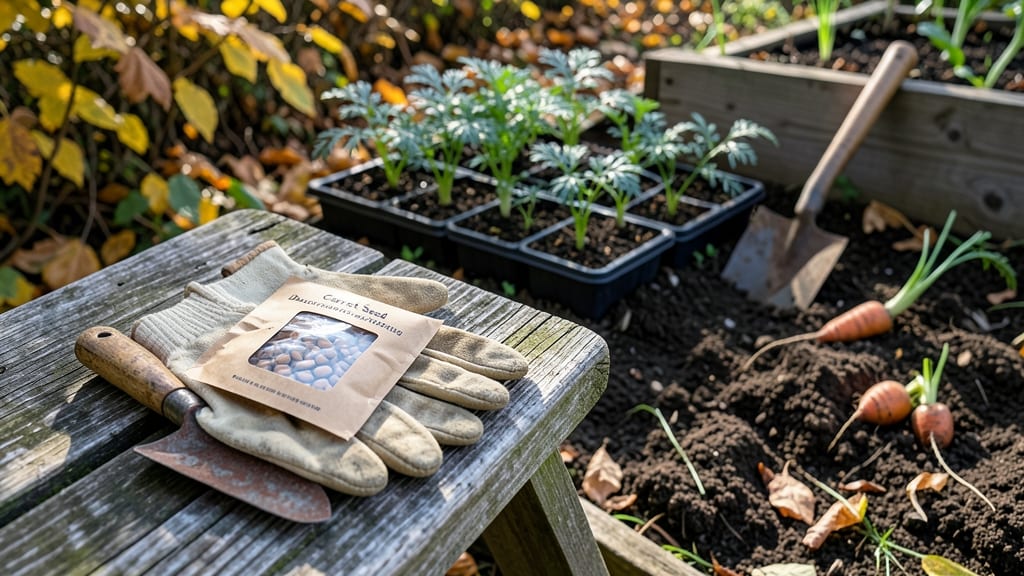
Timing your fall carrot planting just right is the secret to avoiding bitter, tough roots and bolting before harvest. In Zone 6a, where I garden, the 4-6 week window before frost makes all the difference between crisp, sweet 🥕 and disappointment.
Most gardeners wait until August or early September, but soil temperature—not just calendar dates—is the real game-changer. Too warm, and your seeds bolt; too cool, and germination stalls.
I’ll show you how to test your soil’s readiness (yes, you can do it with your finger!) and adjust for your local frost date.
This isn’t just about throwing seeds in the ground and hoping for the best. The right variety matters too—some carrots handle fall’s shorter days better than others. I’ll break down the top 3 bolt-resistant types and when to plant them for a harvest before hard frost hits.
Ready to grow carrots that taste like summer even in chilly weather? Let’s dive into the exact steps to nail your fall planting—so you’re pulling those orange gems from the soil come October.
Fall carrot planting timeline: ideal dates by US hardiness zones
Timing your fall carrot planting correctly means the difference between sweet, crisp harvests and bitter, bolted failures. The key is planting 4-6 weeks before your first frost date—but this window shifts dramatically depending on your USDA hardiness zone and soil conditions.
In Zone 3, you might start as early as late July, while Zone 10 gardeners can wait until mid-October.
Carrots need 60-80 days to mature, so your planting date should align with your frost-free period. For example, in Zone 6a (like much of the Midwest), aim for mid-August to early September to ensure harvests before hard frost hits in mid-October.
Miss this window, and you risk bolting—when carrots flower prematurely and turn woody.
Here’s the critical rule: Soil temperature must stay above 50°F for germination. In cooler zones, this means starting earlier, while warmer zones can wait until soil cools naturally. For instance, Zone 5 gardeners should plant by late August, while Zone 8 can extend planting until early October.
If you’re in a warmer zone (8-10), you can even try a second planting in late fall for early spring harvests. Just adjust for your last frost date—carrots can tolerate light frosts but won’t thrive in freezing soil.
For example, in Zone 9, a September planting gives you harvests by January, while a Zone 4 gardener should finish by October to avoid frost damage.
Don’t forget: Succession planting works for carrots! Sow seeds every 2-3 weeks within your planting window to stretch your harvest. For instance, in Zone 6a, planting on August 1st, 15th, and 30th ensures a steady supply until November.
Just mark your calendar and adjust for your local frost dates.
One common mistake? Planting too late and ending up with small, stunted carrots or bolted greens. To avoid this, always check your average first frost date (
How to test soil warmth for perfect carrot germination
Carrot seeds need soil temperatures between 50°F and 65°F to germinate reliably in fall. Too cold, and they’ll sit dormant; too hot, and they’ll bolt. I’ve learned the hard way that calendar dates alone won’t cut it—you need to check your soil’s actual temperature.
Most gardeners grab a soil thermometer, but I’ve mastered a finger test** that works in a pinch. Press your finger into the soil: if it feels cool but not icy, it’s likely in the right range.
For precise readings, use a digital soil thermometer (they’re cheap and save you from guesswork).
Pro Tip: Test soil warmth at midday when the sun is strongest—this gives you the most accurate reading for planting decisions. I always test in the top 2 inches of soil, since that’s where carrot seeds germinate.
⚠️ Common Mistake: Planting Too Early
Warm August soil can trick you into planting too soon. If your soil is above 65°F, wait 2-3 weeks for temperatures to drop naturally. I’ve seen seeds bolt in just 5 days when planted in overheated soil!
🌱 Fix: Use shade cloth or plant in late afternoon to cool the soil.
For container gardeners, soil warms up faster. I always check my pots’ soil temperature—if it’s above 70°F, I delay planting until cooler evenings arrive. A simple trick is to bury your thermometer in the pot’s soil for accurate readings.
If your soil is below 50°F, try these tricks: cover the bed with black plastic mulch for 3-5 days to warm it up, or plant in raised beds (they heat up faster). I’ve successfully planted carrots in Zone 5 gardens by using these methods.
Remember: Consistency is key. Check your soil’s temperature for 3 consecutive days before planting to ensure it’s stable in the ideal range. This small step can mean the difference between a failed crop and a bountiful harvest of sweet, crisp carrots.